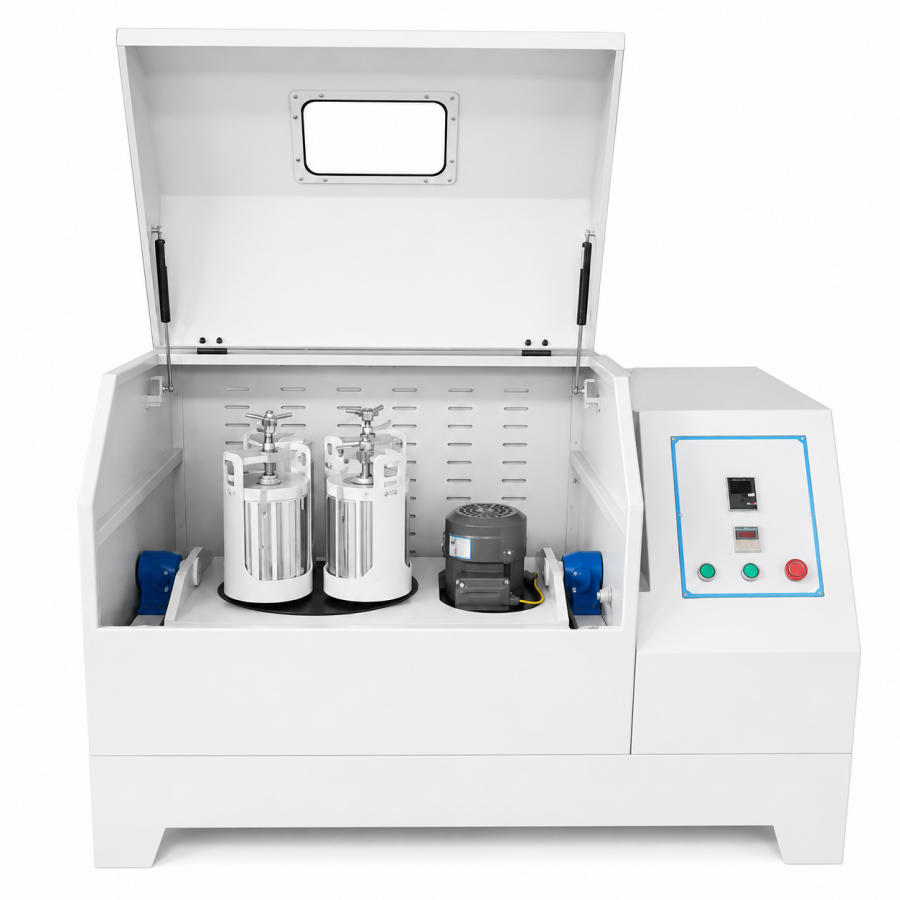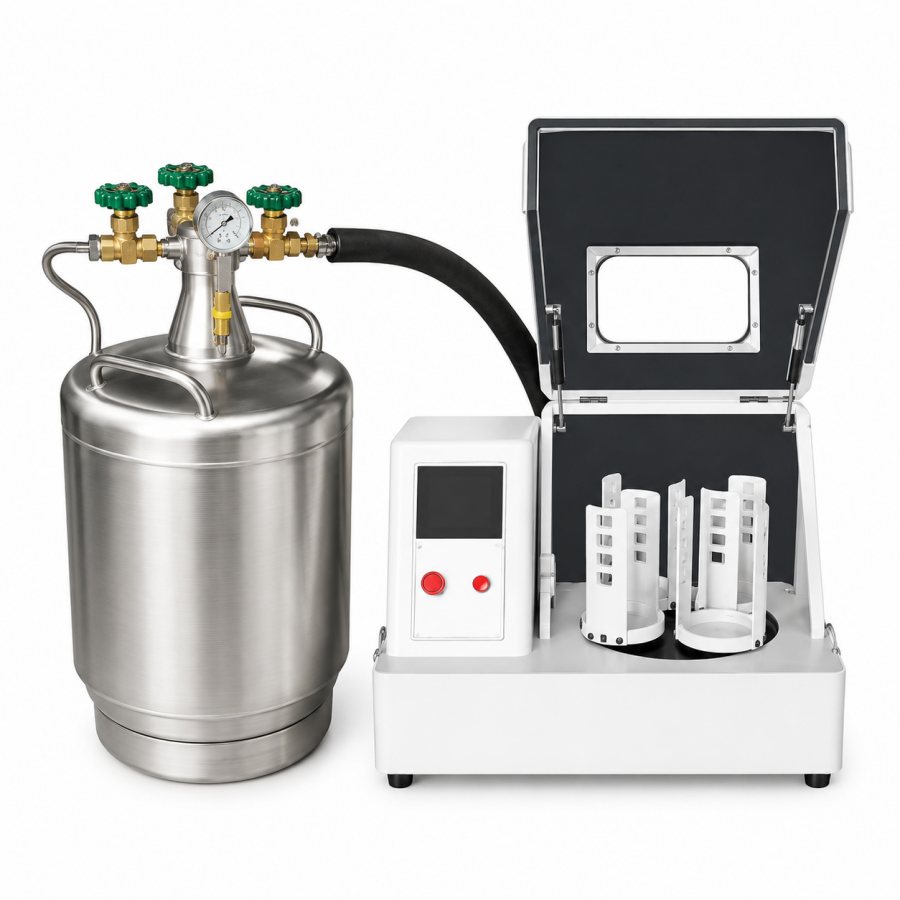
LNPM-8C Liquid Nitrogen Planetary Ball Mill -40°C 1.5kW 4-Station

$3,225.00

Institutional Procurement & Supply Compliance: As a verified US supplier, Atomfair accepts formal institutional Purchase Orders (POs), contract billing schedules, and custom procurement loops for university and national laboratories, and corporate R&D departments globally.

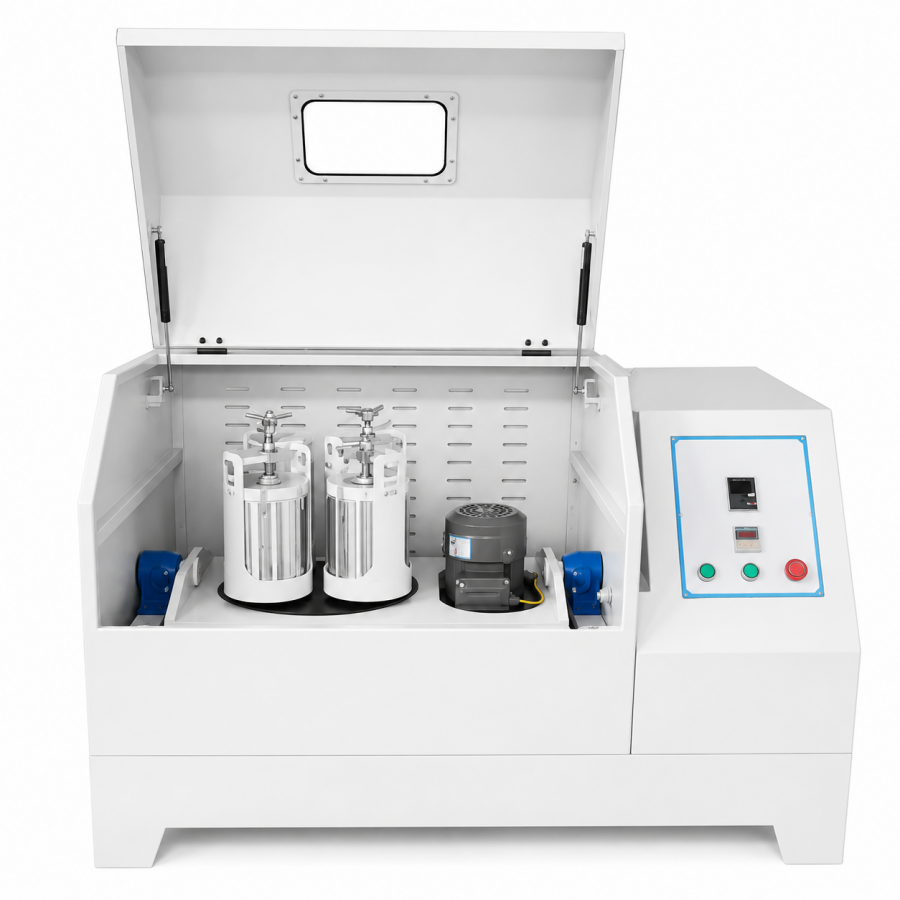
LNPM-8C liquid nitrogen planetary ball mill, -40°C to 20°C, 1.5kW, 70-580 rpm, 8L. Four-station, vacuum/inert atmosphere grinding. 4-5L/h LN₂ consumption. Lab & research grade.

SKU: AFPBM8C
Category: ,
Tags:
Brands:

Description

ATOMFAIR LNPM-8C LIQUID NITROGEN PLANETARY BALL MILL -40°C 4-STATION

RESEARCH GRADE EQUIPMENT

Product Overview

The mill places grinding jars within an insulated chamber continuously supplied with liquid nitrogen, which rapidly absorbs heat generated by high-speed grinding ball motion to maintain a persistent low-temperature grinding environment. Purpose-built for cryogenic ultrafine grinding research, this system is essential for material mixing, ultrafine grinding, small-batch sample preparation, pilot trials, and new product development. The LNPM series features a compact design with complete functionality, low operating noise, high grinding efficiency, and simple operation—making it the dedicated powder grinding equipment for university, research institute, and enterprise R&D laboratories. The four-station vacuum inert atmosphere grinding configuration allows simultaneous preparation of four different samples in a single run, with compatibility for vacuum grinding jars enabling inert or vacuum atmosphere cryogenic grinding. The system operates at 220V/110V, 0.75 kW with a temperature control range from -40°C to 20°C and liquid nitrogen consumption of 4–5 L/h under 0–10°C operating conditions.The temperature control system maintains the grinding chamber within a range of -40°C to 20°C through continuous liquid nitrogen injection. Under typical 0–10°C operating conditions, liquid nitrogen consumption is approximately 4–5 L/h. The system is compatible with 30 L or 50 L liquid nitrogen storage tanks. The LNPM series spans from 1 L to 12 L total volume, with the LNPM-1C through LNPM-6C powered by 0.75 kW motors and the LNPM-8C through LNPM-12C powered by 1.5 kW motors. All models feature four grinding stations with a standard configuration including the main grinding unit; grinding jars and balls are ordered separately with multiple material options available.

Standard Configuration List

Item Configuration Description
Main Grinding Unit 1 pc
Grinding Jars (Order Separately) Available Materials: Al₂O₃ PU PTFE Ceramic SS Nylon
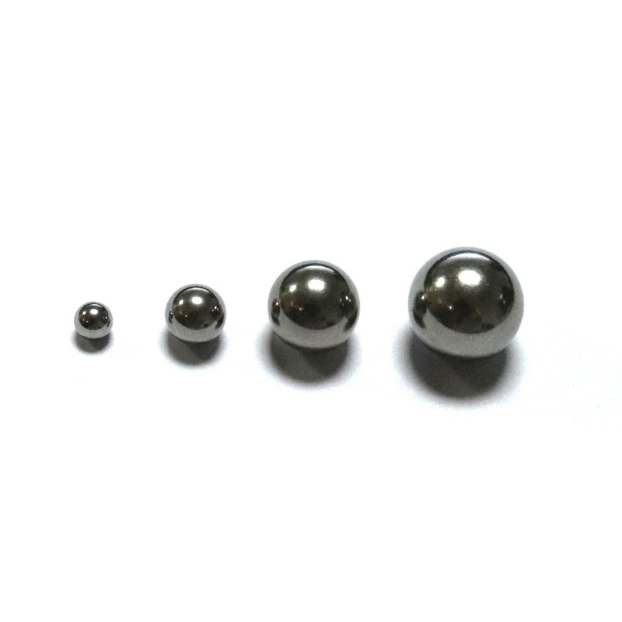
Grinding Balls (Order Separately) Available Materials: WC-Co Al₂O₃ PU-Fe Agate YSZ HCCI 304SS

LNPM Series Full Model Specifications

MODEL TOTAL VOLUME VOLTAGE POWER ROTATION (rpm) NET WEIGHT DIMENSIONS (mm)
LNPM-1C 1 L 220V / 110V 0.75 kW 70–810 83 kg 750×470×590
LNPM-2C 2 L 220V / 110V 0.75 kW 70–810 85 kg 750×470×590
LNPM-4C 4 L 220V / 110V 0.75 kW 70–810 88 kg 750×470×590
LNPM-6C 6 L 220V / 110V 0.75 kW 70–670 93 kg 750×470×590
LNPM-8C 8 L 220V / 110V 1.5 kW 70–580 150 kg 880×560×670
LNPM-10C 10 L 220V / 110V 1.5 kW 70–580 150 kg 880×560×670
LNPM-12C 12 L 220V / 110V 1.5 kW 70–580 150 kg 880×560×670

Key Features & Advantages

  • Liquid Nitrogen Cooling with -40°C to 20°C Temperature Range: Continuous liquid nitrogen injection into the insulated chamber rapidly absorbs grinding-generated heat, maintaining the grinding environment at temperatures as low as -40°C for true cryogenic processing of temperature-sensitive materials.
  • Four-Station Simultaneous Grinding with Independent Sample Processing: The standard four-position grinding configuration enables simultaneous preparation of four different samples in a single run, dramatically improving experimental throughput for comparative material studies.
  • Vacuum and Inert Atmosphere Grinding Compatibility: The system supports vacuum grinding jars, enabling inert gas or vacuum atmosphere cryogenic grinding for air-sensitive materials that require complete environmental isolation during processing.
  • Compact Design with Low Noise and High Efficiency: The small-footprint design (460 × 660 × 720 mm) with approximately 80 kg weight delivers low operating noise and high grinding efficiency, making it ideal for space-constrained research laboratories requiring dedicated cryogenic powder processing capability.

APPLICATION SCOPE: Widely used in geology, mining, metallurgy, electronics, building materials, ceramics, chemical engineering, light industry, pharmaceuticals, and environmental protection for low-temperature grinding. Specifically suitable for electronic ceramics, structural ceramics, magnetic materials, lithium cobalt oxide, lithium manganese oxide, catalysts, phosphors, long-afterglow luminescent powders, rare-earth polishing powders, glass micro-powders, fuel cells, zinc oxide varistors, piezoelectric ceramics, nanopowders, multilayer ceramic capacitors (MLCC), PTC/NTC thermistors, dielectric ceramics, alumina ceramics, zirconia ceramics, zinc oxide powders, cobalt oxide powders, nickel-zinc ferrites, and manganese-zinc ferrites where cryogenic processing is essential.
PACKAGING: This listing is priced for the main unit only. The standard configuration includes 1 pc grinding host machine with liquid nitrogen cooling system and four-station grinding platform. Grinding jars (Al₂O₃, PU, PTFE, Ceramic, SS, Nylon) and grinding balls (WC-Co, Al₂O₃, PU-Fe, Agate, YSZ, HCCI, 304SS) are ordered separately. The LNPM series is available from 1 L through 12 L models. Compatible with 30 L or 50 L liquid nitrogen storage tanks. Installation guidance and operational training support are provided upon request.
IMPORTANT NOTICE: The listed price is for the main unit; grinding jars and balls must be ordered separately. Liquid nitrogen storage tank (30 L or 50 L) is required for operation and ordered separately. Liquid nitrogen consumption is approximately 4–5 L/h under 0–10°C operating conditions. Adequate ventilation is required in the operating area due to nitrogen gas displacement. Always follow cryogenic safety protocols when handling liquid nitrogen. For detailed installation, operation, and maintenance instructions, consult the user manual prior to first use. If you have specific requirements for other LNPM models or custom configurations, please contact us at inquiry@atomfair.com.
TAILORED SOLUTIONS FOR RESEARCH
Contact our engineering team for technical support or official quotations.
EMAIL: inquiry@atomfair.com
Manufacturer: Atomfair LLC
Brand: ATOMFAIR®

Operate only with securely fastened semi-circular grinding jars and appropriate protective enclosures. Avoid overloading the mill beyond its rated capacity to prevent mechanical failure and electrical hazards.

  • Electrical Safety: Ensure the mill is connected to a grounded power outlet with the correct voltage and amperage rating.
  • Grinding Jar Integrity: Inspect grinding jars for cracks or defects before each use to prevent rupture during high-speed operation.
  • Environmental Conditions: Operate on a stable, level surface in a dry environment with ambient temperature between 5°C and 40°C.
  • Material Hazards: Only grind non-explosive, non-flammable materials unless the mill is configured with inert atmosphere accessories.

Follow these sequential steps to initialize and run the ball mill for powder grinding. Proper setup minimizes mechanical stress and ensures sample integrity.

Required Equipment: PBM-8C Planetary Ball Mill Main Machine, Semi-circular grinding jars and matching grinding balls

  1. Inspect Equipment
    Inspect the mill, jars, and balls for any damage or wear before starting.
  2. Load Grinding Jars
    Place the material and grinding balls into the jars according to the recommended fill level.
  3. Secure Jar Lids
    Close and tighten the jar lids securely to prevent leakage during operation.
  4. Install Jars on Mill
    Mount the filled jars onto the mill stations and lock them into place.
  5. Set Parameters
    Set the rotation speed and grinding time using the control panel.
  6. Start Grinding
    Press the start button and monitor the mill for unusual noise or vibration.
  7. Stop and Unload
    Allow the mill to come to a complete stop before opening the lid and removing the jars.

How does the semi-circular jar design of the PBM-8C affect grinding efficiency and achievable particle size compared to conventional round jars?

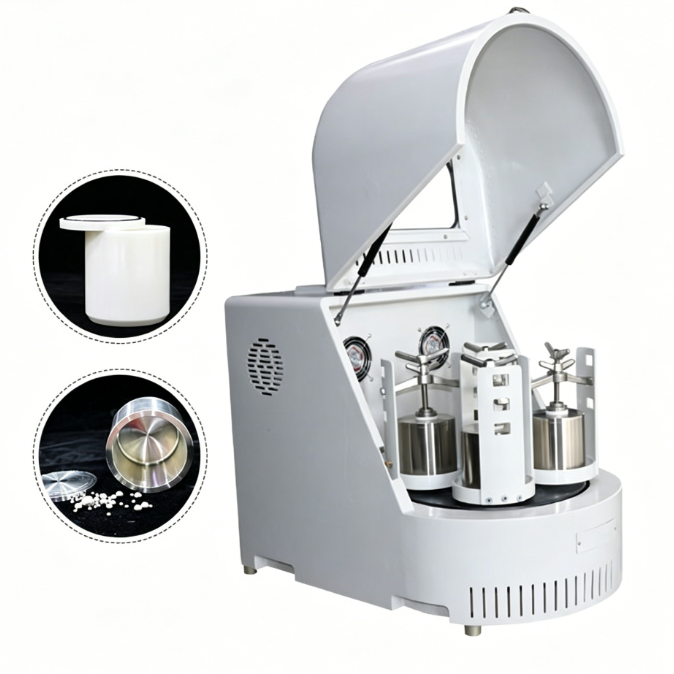
The semi-circular ball milling jar optimizes space utilization and grinding efficiency, allowing the planetary motion (revolution plus rotation) to deliver high-energy impact and friction. This design enables particle size reduction down to 0.1 micron while maintaining a compact footprint. The trade-off is a slightly reduced jar volume per cycle, but four samples can still be processed simultaneously.

Can the PBM-8C be configured for vacuum or inert atmosphere milling, and which jar materials are compatible with reactive samples?

Yes, the PBM-8C can be equipped with vacuum ball milling jars for grinding samples in a vacuum state. The system supports jars made of stainless steel, ceramics, or polyurethane, allowing compatibility with reactive or air-sensitive materials. This flexibility makes it suitable for nanomaterial preparation and battery material processing where contamination control is critical.

What electrical and safety infrastructure is required to operate the PBM-8C planetary ball mill in a standard laboratory?

The PBM-8C requires a 1.5 kW power supply and includes variable frequency speed regulation for controlled operation. It is equipped with safety switches and overload protection to meet laboratory safety standards. The compact design reduces bench space requirements, but users must note that grinding jars and balls are ordered separately and are not included with the main machine.

The PBM-8C compact vertical semi-circular planetary ball mill achieves high-energy grinding via planetary motion, supporting dry/wet processes and multiple jar materials for broad lab applications. Users must procure grinding jars and balls separately, and vacuum grinding capability requires dedicated jar selection.

Positive

  • High-energy planetary grinding: Planetary revolution and rotation combined with impact and friction deliver high energy density, significantly improving grinding efficiency over traditional mills.
  • Versatile dry/wet operation: Supports dry and wet grinding modes and compatibility with jars in stainless steel, ceramics, or polyurethane, enabling material processing across diverse industries.

Trade-offs

  • Jars and balls sold separately: The listed price covers the main machine only; grinding jars and grinding balls must be ordered separately, adding to initial setup cost and lead time.
  • Vacuum capability requires specific jars: Vacuum grinding is possible only when equipped with vacuum ball milling jars, which must be procured and fitted separately; not all jar materials support vacuum operation.

Every advanced material, component, equipment, and instrument in our catalog is backed by rigorous testing. We maintain strict internal quality management frameworks and align with CE conformity metrics to deliver transparent, reproducible performance data via our public open-science repository.

To request raw batch performance data, submit formal vendor registration paperwork, or execute a fast-turnaround R&D manufacturing loop, contact us at inquiry@atomfair.com.

Item is dispatched under the Atomfair Shipping & Delivery Framework (Free worldwide shipping on orders over $59 USD). Return is governed by the Atomfair Return & Refund Policy (7-day technical return window).
Additional information

Weight 150 kg
Dimensions 88 × 56 × 67 cm