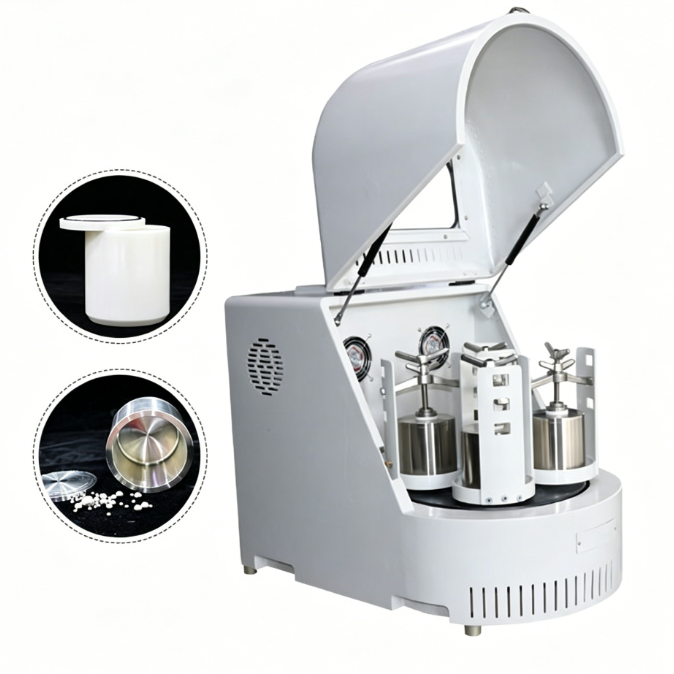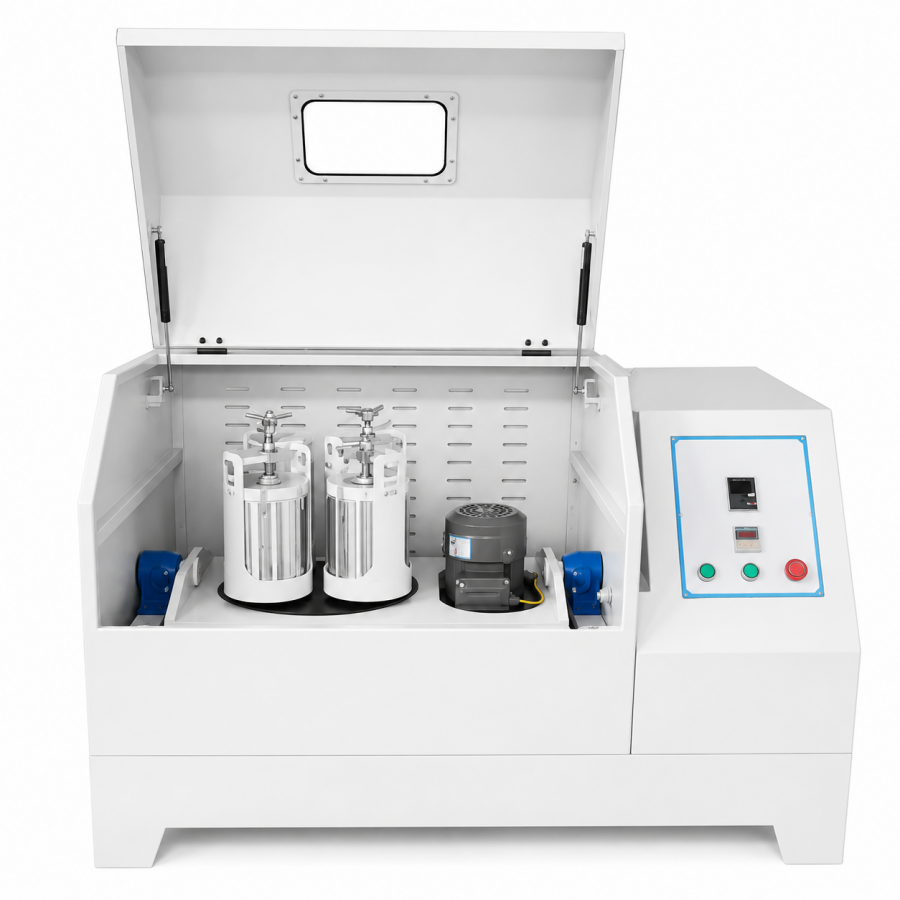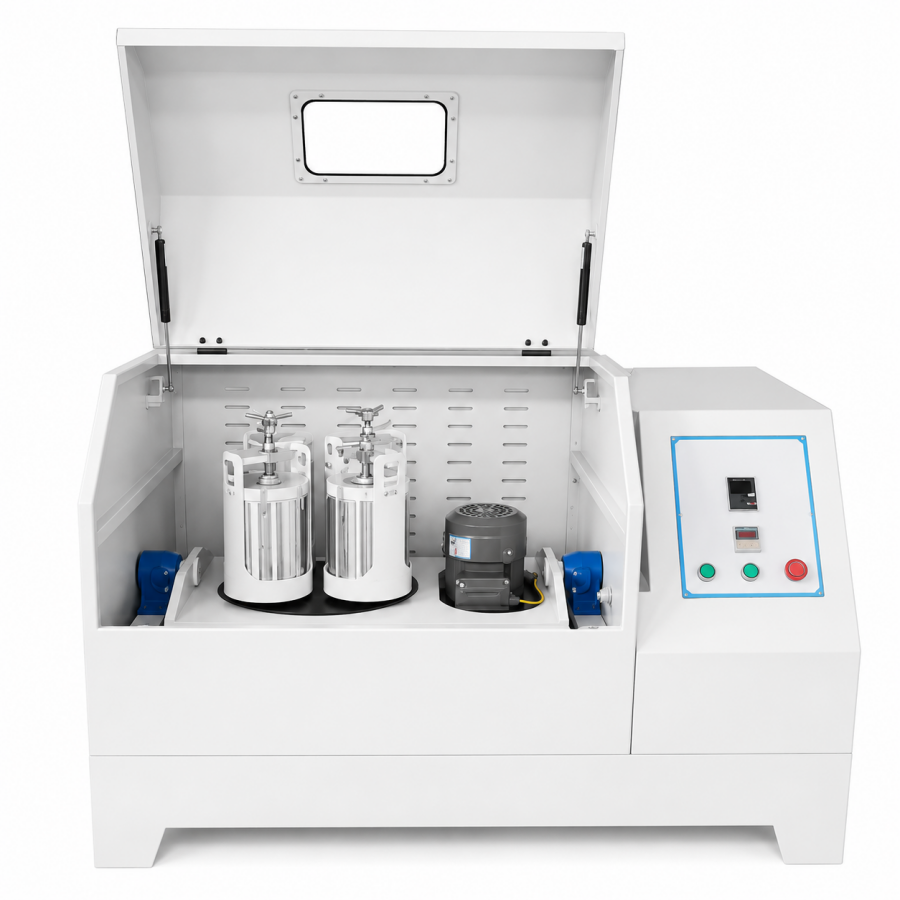
ATOMFAIR LNPM-10C LIQUID NITROGEN PLANETARY BALL MILL -40°C 4-STATIONRESEARCH & PRODUCTION GRADE EQUIPMENT
|
|||||||||||||||||||||||||||||||||||||||||||||||||||||||||||||||||||||||||||||||||||
|
|||||||||||||||||||||||||||||||||||||||||||||||||||||||||||||||||||||||||||||||||||
|
TAILORED SOLUTIONS FOR RESEARCH & PRODUCTION
Contact our engineering team for technical support or official quotations.
EMAIL: inquiry@atomfair.com
|
|||||||||||||||||||||||||||||||||||||||||||||||||||||||||||||||||||||||||||||||||||
|
Manufacturer: Atomfair LLC
Brand: ATOMFAIR®
|
The LNPM-10C cryogenic ball mill requires continuous liquid nitrogen supply and adequate ventilation to prevent asphyxiation. Operating temperature must be maintained between -40°C and 20°C, and grinding jars must be selected for material compatibility.
- Cryogenic Temperature Range: The grinding chamber maintains temperatures from -40°C to 20°C through continuous liquid nitrogen injection.
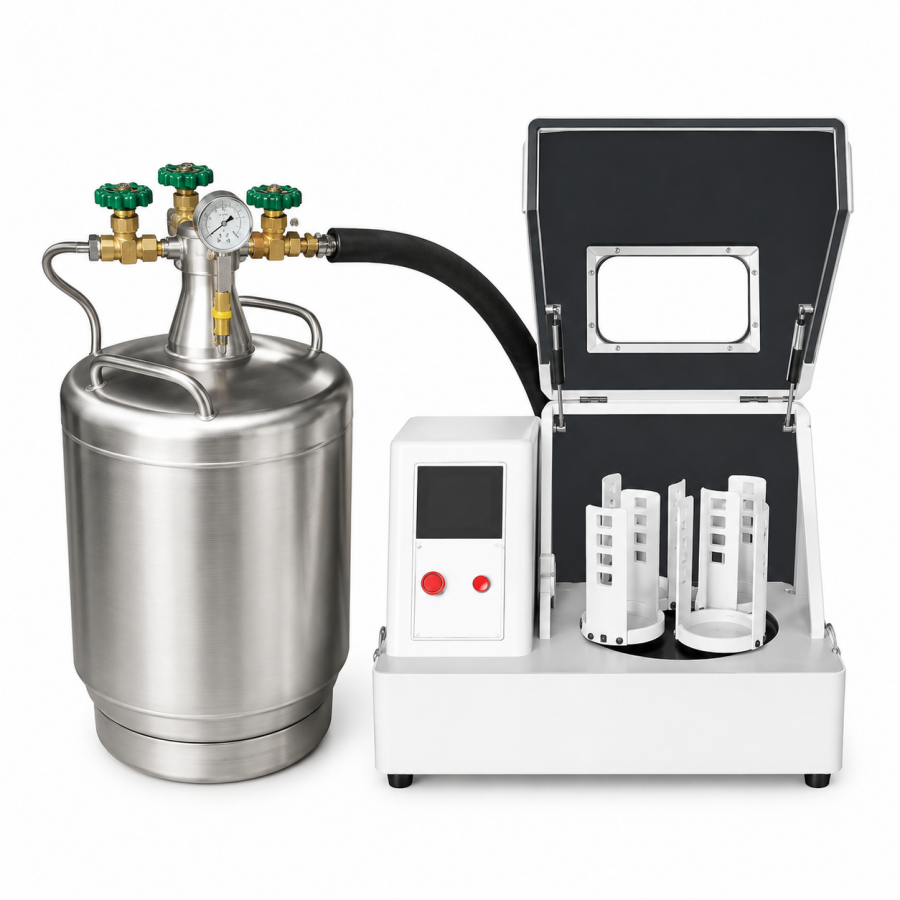
- Liquid Nitrogen Consumption: Liquid nitrogen consumption is approximately 4–5 L/h under 0–10°C operating conditions, supplied by the included 100 L tank.
- Ventilation Requirement: Adequate ventilation is required in the operating area due to nitrogen gas displacement from liquid nitrogen boil-off.
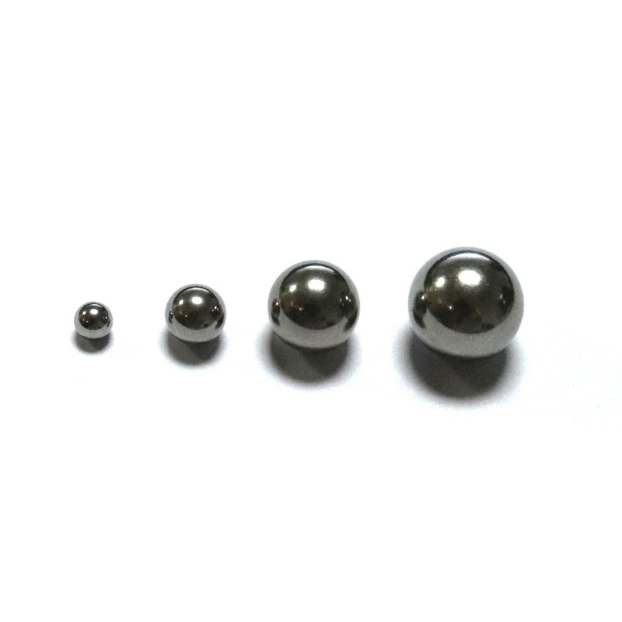
- Jar and Media Compatibility: Grinding jars and media must be ordered separately and selected based on material compatibility with the sample and grinding environment.
- Atmosphere Control: The system supports vacuum or inert atmosphere grinding using compatible vacuum jars for air-sensitive materials.
What is the liquid nitrogen consumption rate of the LNPM-10C at typical operating temperatures?
Under 0–10°C operating conditions, the LNPM-10C consumes approximately 4–5 L/h of liquid nitrogen. This rate is achieved through continuous injection into the insulated chamber, which rapidly absorbs heat from high-speed grinding to maintain a persistent low-temperature environment down to -40°C.
Can the LNPM-10C be used for vacuum or inert atmosphere cryogenic grinding?
Yes, the LNPM-10C supports vacuum grinding jars, enabling inert gas or vacuum atmosphere cryogenic grinding for air-sensitive materials that require complete environmental isolation during processing. This compatibility is a standard feature of the four-station configuration.
What liquid nitrogen tank is included with the LNPM-10C and what safety precautions are required?
The LNPM-10C includes a 100 L empty liquid nitrogen tank as part of the standard configuration. Adequate ventilation is required in the operating area due to nitrogen gas displacement, and all cryogenic safety protocols must be followed when handling liquid nitrogen.
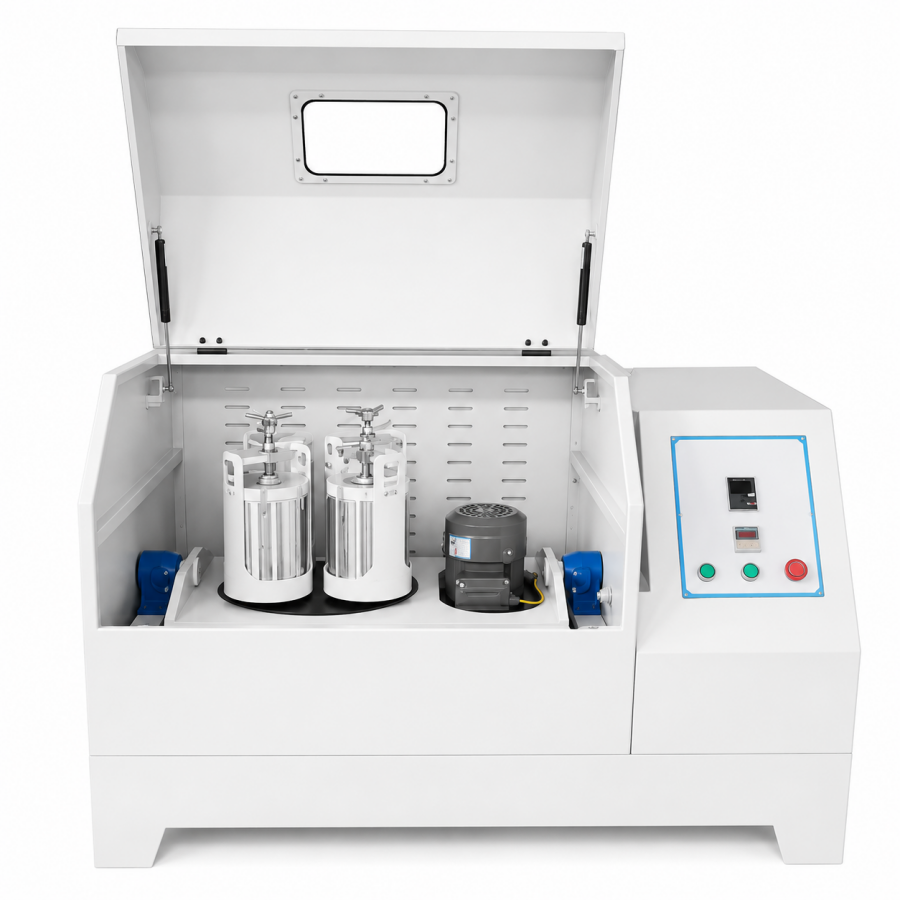
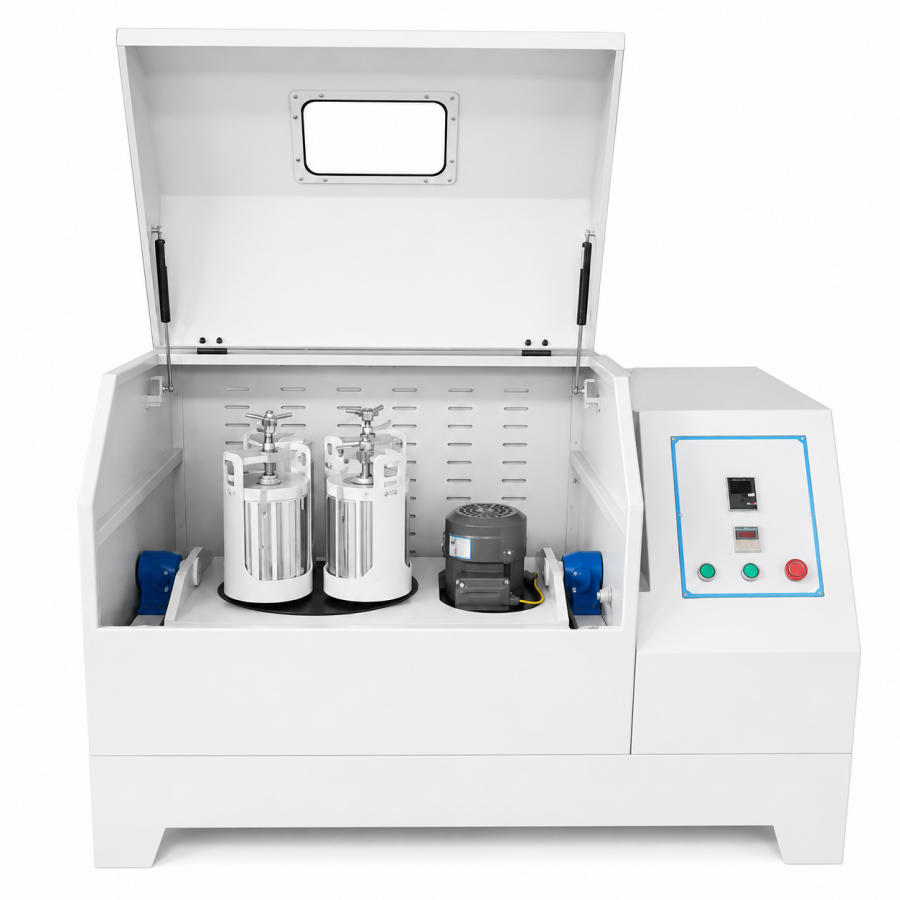
The ATOMFAIR LNPM-10C is a 4-station, 10 L total volume cryogenic planetary ball mill with liquid nitrogen cooling to -40°C, a 1.5 kW motor, and 70–580 rpm rotation, designed for ultrafine grinding of temperature-sensitive materials under inert or vacuum atmospheres. Its 4 × 2.5 L jar configuration enables simultaneous processing of up to four different samples, but requires separate purchase of jars and media, and consumes 4–5 L/h of liquid nitrogen under 0–10°C operation.
Positive
- Cryogenic grinding to -40°C: Continuous liquid nitrogen injection into the insulated chamber rapidly absorbs grinding heat, maintaining a stable low-temperature environment as low as -40°C for processing temperature-sensitive materials such as electronic ceramics, lithium battery powders, and pharmaceutical compounds.
- Four-station independent sample processing: The four-position grinding platform allows simultaneous preparation of four different samples in a single run, improving throughput for comparative material studies and pilot-scale production without cross-contamination.
Trade-offs
- Separate jar and media purchase required: Grinding jars and balls are not included with the main unit and must be ordered separately, adding upfront cost and requiring careful material selection for compatibility with the target sample and cryogenic conditions.
- Liquid nitrogen consumption and safety constraints: Under 0–10°C operation, the system consumes approximately 4–5 L/h of liquid nitrogen, requiring a dedicated supply and adequate ventilation to prevent nitrogen gas displacement hazards in the laboratory.
Every advanced material, component, equipment, and instrument in our catalog is backed by rigorous testing. We maintain strict internal quality management frameworks and align with CE conformity metrics to deliver transparent, reproducible performance data via our public open-science repository.
To request raw batch performance data, submit formal vendor registration paperwork, or execute a fast-turnaround R&D manufacturing loop, contact us at inquiry@atomfair.com.
Item is dispatched under the Atomfair Shipping & Delivery Framework (Free worldwide shipping on orders over $59 USD excl. heavy equipment). Return is governed by the Atomfair Return & Refund Policy (7-day technical return window).