
Description
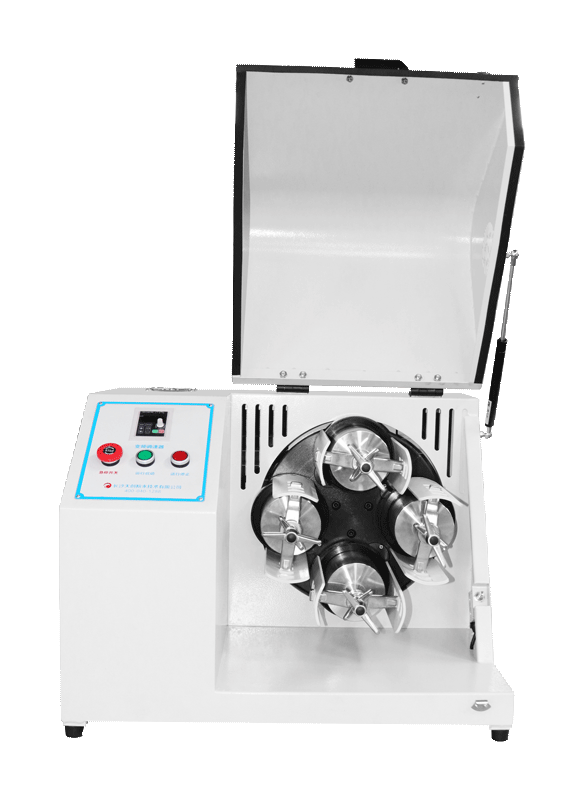
HPBM-40 HEAVY-DUTY HORIZONTAL PLANETARY BALL MILL 5.5KWLABORATORY GRADE EQUIPMENT
|
||||||||||||||||||||||||||||||||||||||||||||||||||||||||||||||||||||||||||||||||||||||||||||||
|
||||||||||||||||||||||||||||||||||||||||||||||||||||||||||||||||||||||||||||||||||||||||||||||
|
TAILORED SOLUTIONS FOR RESEARCH
Contact our engineering team for technical support or official quotations.
EMAIL: inquiry@atomfair.com
|
||||||||||||||||||||||||||||||||||||||||||||||||||||||||||||||||||||||||||||||||||||||||||||||
|
Manufacturer: Atomfair LLC
Brand: ATOMFAIR®
|
The PBM-40 vertical semi-circular planetary ball mill is a high-energy laboratory device requiring strict operational controls to prevent electrical and mechanical hazards. Proper environmental conditions and compatible grinding media are essential for safe and effective use.
- Electrical Safety Constraint: The equipment must be connected to a properly grounded electrical supply with sufficient capacity to handle the 5.5 kW motor load.
- Mechanical Stability Requirement: The mill must be placed on a level, non-slip surface and anchored to prevent movement during high-speed operation.
- Grinding Media Compatibility: Grinding jars and balls must be chemically compatible with the sample materials and capable of withstanding the impact and frictional forces generated.
This procedure describes the safe initialization and operation of the PBM-40 planetary ball mill for powder grinding applications. Strict adherence to these steps minimizes risk of mechanical failure or personal injury.
Required Equipment: Grinding jars (semi-circular), Grinding balls, Sample materials, Personal protective equipment (safety goggles, hearing protection)
- Visual Inspection
Inspect the mill for any visible damage, loose components, or debris before connecting power. - Select Grinding Media
Select appropriate grinding jars and balls according to the sample hardness, desired fineness, and chemical compatibility. - Load Jars
Load the sample and grinding media into the jars, leaving sufficient headspace, and securely close the lids. - Mount Jars
Place each jar onto the mill's jar holders and tighten the locking clamps to prevent dislodgement during rotation. - Set Parameters
Set the desired rotation speed and grinding time on the control panel, ensuring values remain within the equipment's safe operating range. - Start Operation
Start the mill and monitor the initial cycle for abnormal noise, vibration, or jar movement, stopping immediately if detected. - Post-Grinding Safety
Allow the jars to cool completely before opening to release any potential pressure buildup from heat or gas generation.
How does the 430 rpm maximum speed of the PBM-40A compare to smaller planetary ball mill models in terms of grinding performance?
The PBM-40A has a lower maximum grinding jar rotation speed of 430 rpm compared to micro-type models like PBM-0.2 (1160 rpm) due to its larger revolution diameter of Φ480 mm and jar holder inner diameter of 330 mm. This trade-off prioritizes higher torque and larger batch processing capacity over top speed, making the PBM-40A suitable for bulk powder preparation rather than ultra-fine grinding of very small samples.
Are standard cylindrical grinding jars compatible with the PBM-40A semi-circular planetary ball mill?
No, the PBM-40A is specifically designed for semi-circular ball milling jars, as indicated by its 'Semi-Circular Type' designation. The jar holder geometry with an inner diameter of 330 mm accommodates semi-circular jars only; standard cylindrical jars may not fit or achieve proper motion. Dedicated semi-circular jars must be ordered separately for use with this model.
What electrical and installation infrastructure is required for the PBM-40A planetary ball mill?
The PBM-40A requires a 5.5 kW electrical supply and weighs 378 kg. Its overall dimensions are 1300×750×780 mm. Installation requires a sturdy, level surface capable of supporting its weight, adequate ventilation for motor cooling, and proper circuit protection rated for 5.5 kW. The unit is not portable and should be permanently positioned in a laboratory or workshop.
The PBM-40 Vertical Semi-Circular Planetary Ball Mill delivers 5.5 kW motor power for high-energy mechanical milling of materials down to nanoscale, but requires separate purchase of grinding jars and balls, and its semi-circular jar design imposes specific volume and geometry constraints for small-batch processing.
Positive
- High-energy planetary milling action: The composite revolution and rotation motion generates high-energy impact and friction between grinding balls, enabling efficient crushing, mixing, dispersion, and nanomaterial preparation from bulk powders.
- Optimized semi-circular jar geometry: The semi-circular ball milling jar design improves space utilization and grinding efficiency compared to conventional circular jars, making it well-suited for small-batch, high-precision experimental workflows.
Trade-offs
- Grinding jars and balls sold separately: The listed price covers only the main machine; compatible grinding jars and grinding balls must be ordered as separate line items, adding procurement lead time and cost before operation.
- Semi-circular jar limits batch volume: The semi-circular jar design, while efficient for small batches, inherently restricts the maximum sample volume per run compared to full-circular jars of similar diameter, constraining throughput for larger-scale milling tasks.
Every advanced material, component, equipment, and instrument in our catalog is backed by rigorous testing. We maintain strict internal quality management frameworks and align with CE conformity metrics to deliver transparent, reproducible performance data via our public open-science repository.
To request raw batch performance data, submit formal vendor registration paperwork, or execute a fast-turnaround R&D manufacturing loop, contact us at inquiry@atomfair.com.
Item is dispatched under the Atomfair Shipping & Delivery Framework (Free worldwide shipping on orders over $59 USD). Return is governed by the Atomfair Return & Refund Policy (7-day technical return window).
