
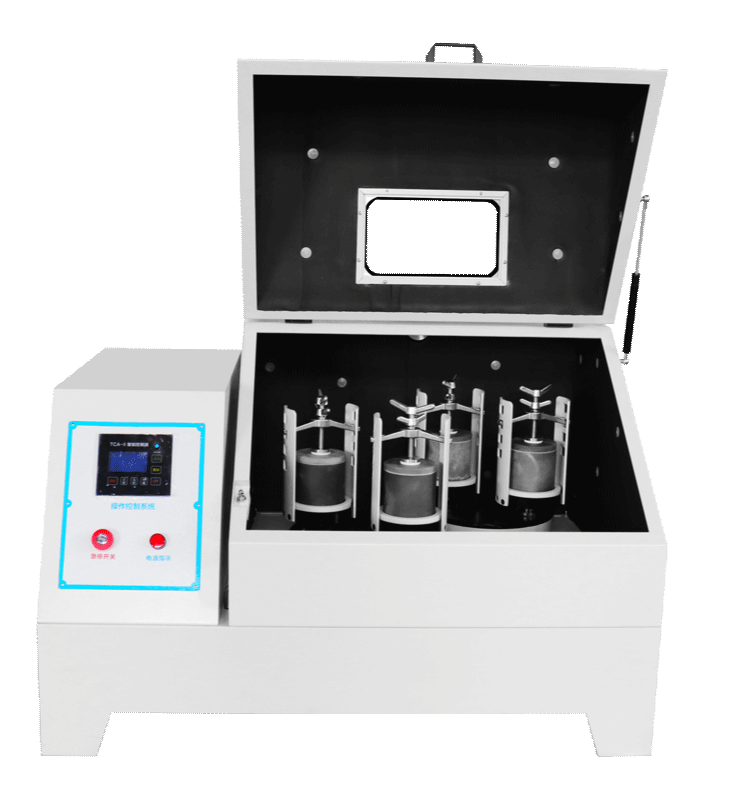
Description
DPBM-2 DUAL PLANETARY BALL MILL 2L VARIABLE FREQUENCYLABORATORY GRADE EQUIPMENT
|
|||||||||||||||||||||||||||||||||||||||||||||||||||||||||||||||||||||||||||||||||||||||||||||||||||||||||||||||||||||||||||||||||||||
|
|||||||||||||||||||||||||||||||||||||||||||||||||||||||||||||||||||||||||||||||||||||||||||||||||||||||||||||||||||||||||||||||||||||
|
TAILORED SOLUTIONS FOR RESEARCH
Contact our engineering team for technical support or official quotations.
EMAIL: inquiry@atomfair.com
|
|||||||||||||||||||||||||||||||||||||||||||||||||||||||||||||||||||||||||||||||||||||||||||||||||||||||||||||||||||||||||||||||||||||
|
Manufacturer: Atomfair LLC
Brand: ATOMFAIR®
|
This document outlines the operational and safety constraints for the Atomfair SXQM-2 2L Dual Planetary Ball Mill. The equipment requires a stable, level surface and adherence to the specified electrical supply and operational time limits.
- Electrical Supply Requirement: The mill must be connected to a 220V-50Hz grounded power source with a dedicated circuit rated for the 0.75 kW motor load.
- Operational Time Limits: The maximum continuous running time per cycle is 9999 minutes with forward-reverse alternating intervals programmable from 1 to 999 minutes.
- Noise and Vibration Consideration: The unit generates up to 65 dB noise and significant vibration during operation, requiring placement on a vibration-dampening surface away from sensitive equipment.
- Weight and Stability: The 250 kg net weight demands a reinforced floor or bench and must never be operated on an uneven or mobile surface.
This procedure covers the safe initialization, operation, and shutdown of the SXQM-2 ball mill for laboratory grinding tasks. Proper handling minimizes risk of mechanical failure, injury, and material contamination.
Required Equipment: Grinding jar set (500 ml capacity, up to 4 jars), Grinding balls (appropriate size and material for sample), Jar sealing gaskets or vacuum accessories (if applicable)
- Inspect Equipment and Work Area
Inspect the mill, jars, and grinding balls for cracks, wear, or debris and verify the work surface is level and clear of flammable materials. - Load Material and Grinding Media
Load the sample material and grinding balls into the jar at a recommended ball-to-sample weight ratio of approximately 5:1, leaving adequate headspace for motion. - Secure Jars onto Planetary Disk
Place each filled jar onto the planetary disk and tighten the clamping mechanism evenly to prevent imbalance during rotation. - Set Operational Parameters
Set the desired revolution speed (70–560 rpm), total running time (1–9999 min), and forward-reverse alternating interval (1–999 min) using the variable frequency drive control panel. - Initiate Grinding Cycle
Press the start button and monitor the mill for 30 seconds, listening for abnormal noise or excessive vibration and stopping immediately if observed. - Monitor and Intervene if Necessary
Periodically check the mill during operation and use the pause function to inspect jars if the process requires sample removal or parameter adjustment. - Stop and Unload After Cycle Completion
After the programmed cycle ends, allow the mill to come to a complete stop before unfastening and removing the jars for cleaning or sample collection.
How does the increased centrifugal force in the SXQM-2 double planetary ball mill affect contamination from jar and ball wear, and what material options minimize this risk?
The high-energy milling environment of the SXQM-2 can accelerate wear on grinding jars and balls, potentially introducing impurities into the sample. To minimize contamination, the mill supports a wide range of jar and ball materials—including agate, zirconia ceramic, alumina corundum ceramic, stainless steel, tungsten carbide, and silicon nitride—allowing researchers to select chemically compatible, low-wear combinations for their specific materials.
Can the SXQM-2 mill air-sensitive or pyrophoric materials under vacuum or inert atmosphere?
Yes, the SXQM-2 model offers optional vacuum grinding jars in sizes 50–250 ml, which can be sealed to maintain an inert atmosphere or vacuum during milling. This enables safe processing of air-sensitive and moisture-sensitive powders without requiring direct integration into a glovebox, although the mill's 250 kg weight and 1150×800×760 mm footprint preclude placement inside most gloveboxes.
What are the electrical power and physical space requirements for installing the SXQM-2 ball mill in a typical laboratory?
The SXQM-2 requires a standard 220V, 50Hz power supply and a 0.75 kW motor with variable frequency drive. The unit weighs 250 kg, has overall dimensions of 1150×800×760 mm, and operates at a noise level of 60±5 dB, so it needs a robust, level floor with adequate clearance for ventilation and access, but no specialized soundproofing is necessary for typical lab environments.
The SXQM-2 dual planetary ball mill delivers enhanced grinding efficiency through multiplied centrifugal forces from its dual planetary action, enabling nanoscale particle size reduction for advanced materials processing. Its 0.75 kW variable-frequency motor and robust welded steel construction support high-energy milling at noise levels up to 65 dB, with a total weight of 250 kg requiring adequate bench or floor support.
Positive
- Enhanced grinding efficiency to nanoscale: The dual planetary design multiplies centrifugal force on grinding balls, significantly increasing collision, shearing, and friction. This enables grinding of some materials down to nanometer scale.
- Robust construction with low-noise operation: The shell is welded with thickened steel plate for high strength and deformation resistance. Precision gears and CNC-processed parts ensure stable, safe, and low-noise operation at high speed.
Trade-offs
- 220V-50Hz power supply requirement: The mill is designed exclusively for 220 V AC at 50 Hz. Laboratories with different mains voltage or frequency must use a suitable transformer or frequency converter, adding infrastructure cost.
- Heavy benchtop unit at 250 kg: With a net weight of 250 kg and dimensions of 1150×800×760 mm, the mill requires a reinforced workbench or floor capable of supporting concentrated loads. Relocation after installation is challenging.
Every advanced material, component, equipment, and instrument in our catalog is backed by rigorous testing. We maintain strict internal quality management frameworks and align with CE conformity metrics to deliver transparent, reproducible performance data via our public open-science repository.
To request raw batch performance data, submit formal vendor registration paperwork, or execute a fast-turnaround R&D manufacturing loop, contact us at inquiry@atomfair.com.
Item is dispatched under the Atomfair Shipping & Delivery Framework (Free worldwide shipping on orders over $59 USD). Return is governed by the Atomfair Return & Refund Policy (7-day technical return window).
