Description
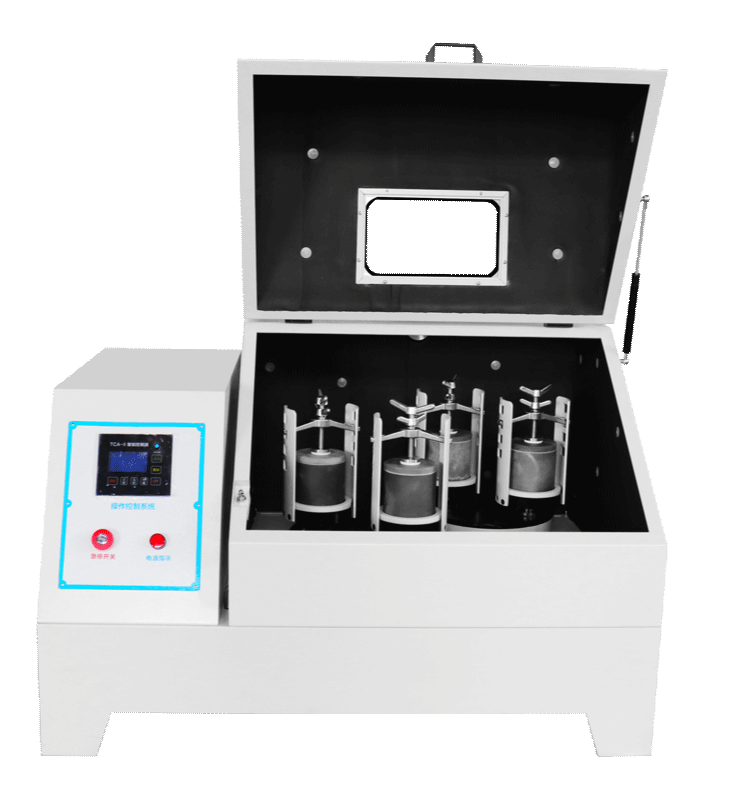
DPBM-0.4 DUAL PLANETARY BALL MILL 0.4L 4 JAR POSITIONSLABORATORY GRADE EQUIPMENT
|
|||||||||||||||||||||||||||||||||||||||||||||||||||||||||||||||||||||||||||||||||||||||||||||||||||||||||||||||||||||||||||||||||||||
|
|||||||||||||||||||||||||||||||||||||||||||||||||||||||||||||||||||||||||||||||||||||||||||||||||||||||||||||||||||||||||||||||||||||
|
TAILORED SOLUTIONS FOR RESEARCH
Contact our engineering team for technical support or official quotations.
EMAIL: inquiry@atomfair.com
|
|||||||||||||||||||||||||||||||||||||||||||||||||||||||||||||||||||||||||||||||||||||||||||||||||||||||||||||||||||||||||||||||||||||
|
Manufacturer: Atomfair LLC
Brand: ATOMFAIR®
|
This equipment must be operated on a stable, level surface within a well-ventilated laboratory environment to dissipate heat from the motor and friction. All safety guards must be engaged before activation to contain potential debris from a rotating jar failure.
- Electrical Grounding Requirement: Connect the main machine to a properly grounded power outlet to prevent electrical shock or fire.
- Jar and Ball Compatibility: Only use grinding jars and balls that are rated for the maximum rotational speed of the mill to avoid mechanical failure.
- Load Balancing: Distribute the mass evenly across all four jar positions to prevent excessive vibration and bearing wear.
The following steps describe the safe initialization and operation of the planetary ball mill for grinding and mixing samples. This procedure assumes the main machine is correctly installed and that jars and balls are prepared separately.
Required Equipment: PBM-2 Main Machine, Semi-circular grinding jars (sold separately), Grinding balls (sold separately)
- Prepare the jars
Load the grinding jars with the sample material and appropriate grinding balls, then seal the lids tightly. - Install jars onto the mill
Place each jar into the corresponding holder on the planetary disk and secure it with the locking mechanism. - Set the rotation speed
Verify that the speed control knob is at zero, then connect the machine to a grounded power outlet and adjust the rotation speed to the desired value using the dial. - Start the grinding cycle
Press the start button and allow the mill to run for the programmed duration while monitoring for unusual vibration or noise. - Stop and unload
Press the stop button and wait for the disk to come to a complete halt before unlocking and removing the jars.
How does the 0.75 kW motor on the PBM-2 maintain torque across the 0–670 rpm speed range for consistent grinding of hard materials?
The PBM-2 uses a 0.75 kW motor and planetary drive to deliver variable speed from 0 to 670 rpm. While the motor provides sufficient continuous power, torque at very low speeds may be reduced, requiring optimization of rotation speed and grinding media selection to achieve efficient impact and friction for hard materials down to 0.1 μm particle size. The 234 mm revolution diameter further amplifies energy transfer at higher speeds.
Can the PBM-2 be placed inside a glove box for handling air-sensitive or moisture-sensitive powders?
The PBM-2 does not include a dedicated glove box interface, but its semi-circular jar design and separate control unit allow potential placement within an inert atmosphere glove box if the main unit dimensions of 760 × 470 × 600 mm fit the glove box port and the 85 kg weight is supported. For direct glove box integration, consider the PBM-0.2S micro glove box type with a split control box.
What are the electrical and bench requirements for safe installation of the PBM-2?
The PBM-2 requires a standard electrical outlet rated for 0.75 kW continuous load; no dedicated cooling is specified, so intermittent operation or external fan may be needed for prolonged high-speed runs at 670 rpm to prevent motor or bearing overheating. The unit weighs 85 kg and must be placed on a stable, vibration-dampened bench with at least 760 × 600 mm of footprint clearance.
The PBM-2 Semi-Circular Planetary Ball Mill achieves submicron grinding down to 0.1μm via high-energy planetary motion, but requires separate purchase of grinding jars and balls, and its semi-circular jar design imposes specific size constraints for small-batch processing.
Positive
- Submicron particle size capability: Achieves grinding down to 0.1μm, enabling nanomaterial preparation and fine powder dispersion for advanced materials research.
- Optimized semi-circular jar design: Semi-circular ball milling jars improve space utilization and grinding efficiency, ideal for small-batch, high-precision experimental workflows.
Trade-offs
- Grinding jars and balls not included: The listed price covers only the main machine; compatible grinding jars and balls must be ordered separately, increasing total setup cost and lead time.
- Small-batch capacity limitation: The semi-circular jar design and 0.75 kW motor restrict throughput to small batches, making it unsuitable for large-scale or continuous milling operations.
Every advanced material, component, equipment, and instrument in our catalog is backed by rigorous testing. We maintain strict internal quality management frameworks and align with CE conformity metrics to deliver transparent, reproducible performance data via our public open-science repository.
To request raw batch performance data, submit formal vendor registration paperwork, or execute a fast-turnaround R&D manufacturing loop, contact us at inquiry@atomfair.com.
Item is dispatched under the Atomfair Shipping & Delivery Framework (Free worldwide shipping on orders over $59 USD). Return is governed by the Atomfair Return & Refund Policy (7-day technical return window).