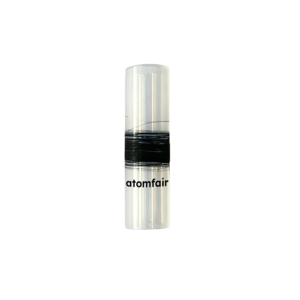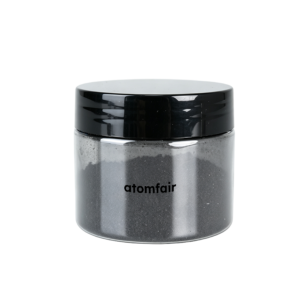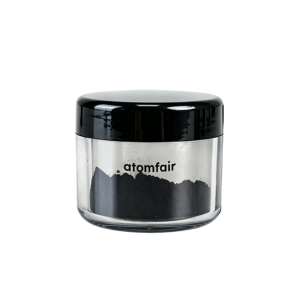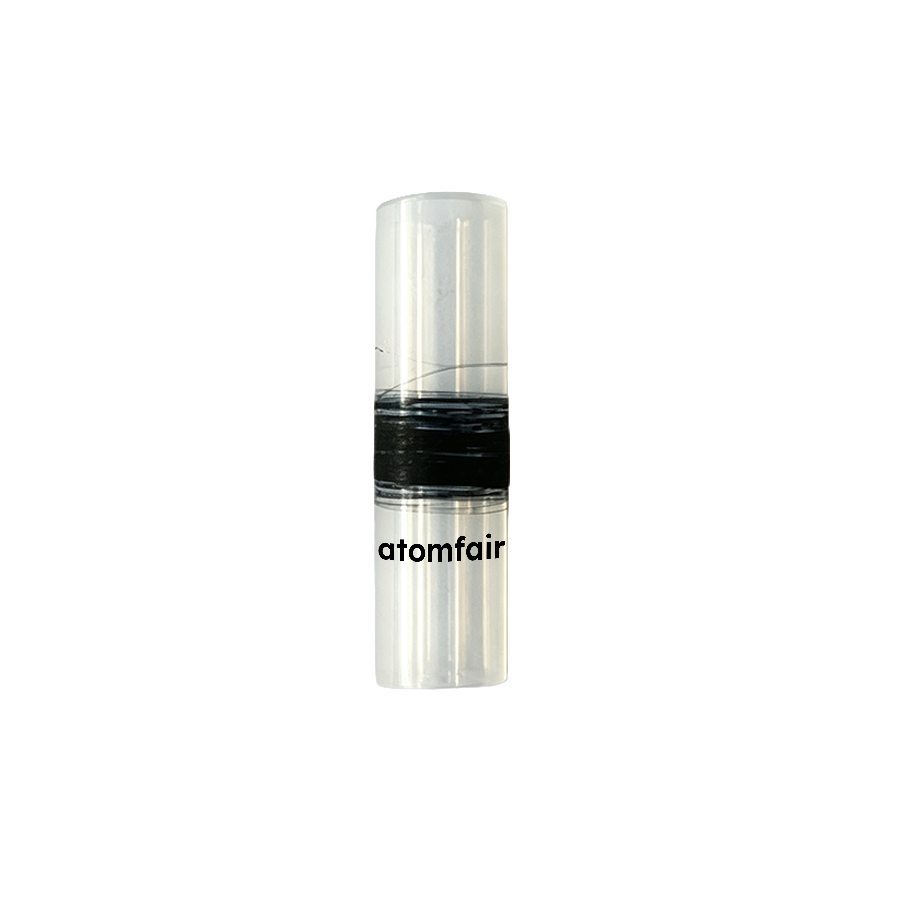
Carbon nano fibers, diameter 40-130 nm/50-200 nmProduct Type: Carbon nanotube fiber
Research-grade laboratory product
|
|||||||||||||||||||||||
|
|||||||||||||||||||||||
|
LABORATORY PROCUREMENT SUPPORT
For model selection, material specification matching, application fit or quotation confirmation, contact our technical sales team.
E-MAIL: inquiry@atomfair.com
|
|||||||||||||||||||||||
|
Supplier: Atomfair
Brand: ATOMFAIR®
|
Manufacturer: Atomfair LLC
Brand: ATOMFAIR®
This carbon nanotube fiber is a high-aspect-ratio nanomaterial with a specific surface area of 18.50 m²/g and ash content of 0.39%, requiring controlled handling to prevent airborne dispersion. The material must be stored in sealed, antistatic containers away from ignition sources and oxidizing agents to mitigate electrostatic discharge and combustion risks.
- Airborne Particulate Hazard: Respirable carbon nanofibers may pose inhalation hazards; always handle in a fume hood or glovebox with appropriate HEPA filtration.
- Electrostatic Discharge Risk: The black powder form and high surface area increase electrostatic charge accumulation; use grounded containers and antistatic tools during transfer.
- Oxidation Sensitivity: Prolonged exposure to air at elevated temperatures may promote surface oxidation, altering conductivity and dispersion behavior.
This procedure outlines the safe transfer and initial dispersion of carbon nanofibers for laboratory research. Steps minimize airborne release and ensure uniform wetting in solvent or polymer matrices.
Required Equipment: Chemical fume hood or glovebox, Antistatic spatula, Sealed weighing vessel
- Prepare containment environment
Verify the fume hood or glovebox is operational with HEPA filtration and all surfaces are grounded before opening the nanofiber container. - Weigh nanofibers safely
Transfer the required mass using an antistatic spatula into a tared, sealed weighing vessel to prevent electrostatic loss and airborne dispersion. - Disperse in solvent or matrix
Add the weighed nanofibers to the pre-measured solvent or polymer solution under gentle stirring to avoid clumping and ensure uniform wetting. - Seal and sonicate dispersion
Seal the dispersion container immediately and apply bath sonication for 10–30 minutes to break agglomerates without generating aerosols.
How does the specific surface area of 18.50 m2/g correlate with the reported diameter range of 40-130 nm/50-200 nm for these carbon nano fibers?
The specific surface area of 18.50 m2/g is provided alongside the diameter range. For solid carbon nanofibers, surface area generally decreases with increasing diameter. This value indicates a relatively low specific surface area, consistent with the thicker diameter range. The product description does not include pore volume or density, so the exact geometric relationship is not verifiable from the given data.
Can these carbon nano fibers be integrated into polymer composites without surface functionalization?
The carbon nano fibers are supplied as a dry powder with purity >99 wt% and ash content 0.39%. Without surface functionalization, they are typically hydrophobic and may require aggressive mixing or compatibilizers for uniform dispersion in polymer matrices. The description suggests they are suitable for composite reinforcement, but the exact surface chemistry is not specified. Quotation confirmation should include compatibility requirements.
What are the required safety precautions when handling this carbon nano fiber powder in a laboratory setting?
The product is a black powder with a specific surface area of 18.50 m2/g. The product description does not include a safety data sheet, but standard precautions for handling carbon nanomaterials include using a fume hood, gloves, and respiratory protection to avoid inhalation. For specific handling and safety information, contact Atomfair technical support at inquiry@atomfair.com.
This carbon nanofiber product (AF-NM-C-CNTM-M601-R03C) offers a high-purity (>99 wt%) carbon nanotube fiber with a bimodal diameter range of 40-130 nm and 50-200 nm, a specific surface area of 18.50 m²/g, and low ash content (0.39%), making it suitable for conductive composite, electrode, and nanocarbon research workflows.
Positive
- High purity and low ash content: Purity >99 wt% with ash content of only 0.39% minimizes contamination in sensitive composite, electrode, or conductive film formulations.
- Bimodal diameter range for versatility: Diameter ranges of 40-130 nm and 50-200 nm allow matching to diverse dispersion, reinforcement, or conductivity requirements in research workflows.
Trade-offs
- Fiber geometry requires pre-confirmation: Fiber length, diameter, and conductivity values must be reviewed and confirmed before quotation, adding a step to procurement for application-specific fit.
- Black powder form may require handling precautions: The blackpowder appearance necessitates careful laboratory handling to avoid airborne dispersion and ensure safe integration into formulations.
Every advanced material, component, equipment, and instrument in our catalog is backed by rigorous testing. We maintain strict internal quality management frameworks and align with CE conformity metrics to deliver transparent, reproducible performance data via our public open-science repository.
To request raw batch performance data, submit formal vendor registration paperwork, or execute a fast-turnaround R&D manufacturing loop, contact us at inquiry@atomfair.com.
Item is dispatched under the Atomfair Shipping & Delivery Framework (Free worldwide shipping on orders over $59 USD excl. heavy equipment). Return is governed by the Atomfair Return & Refund Policy (7-day technical return window).