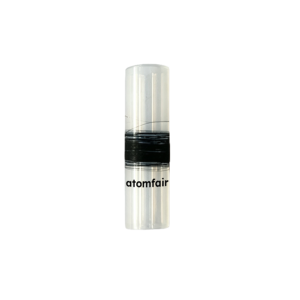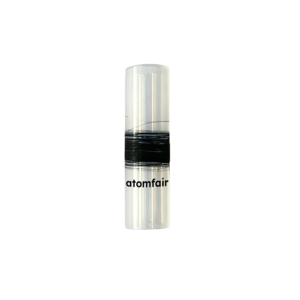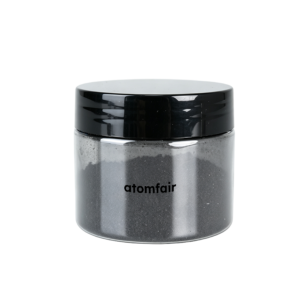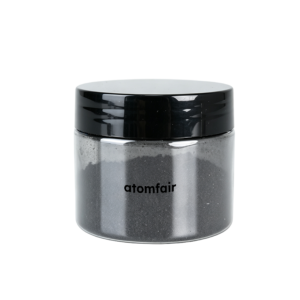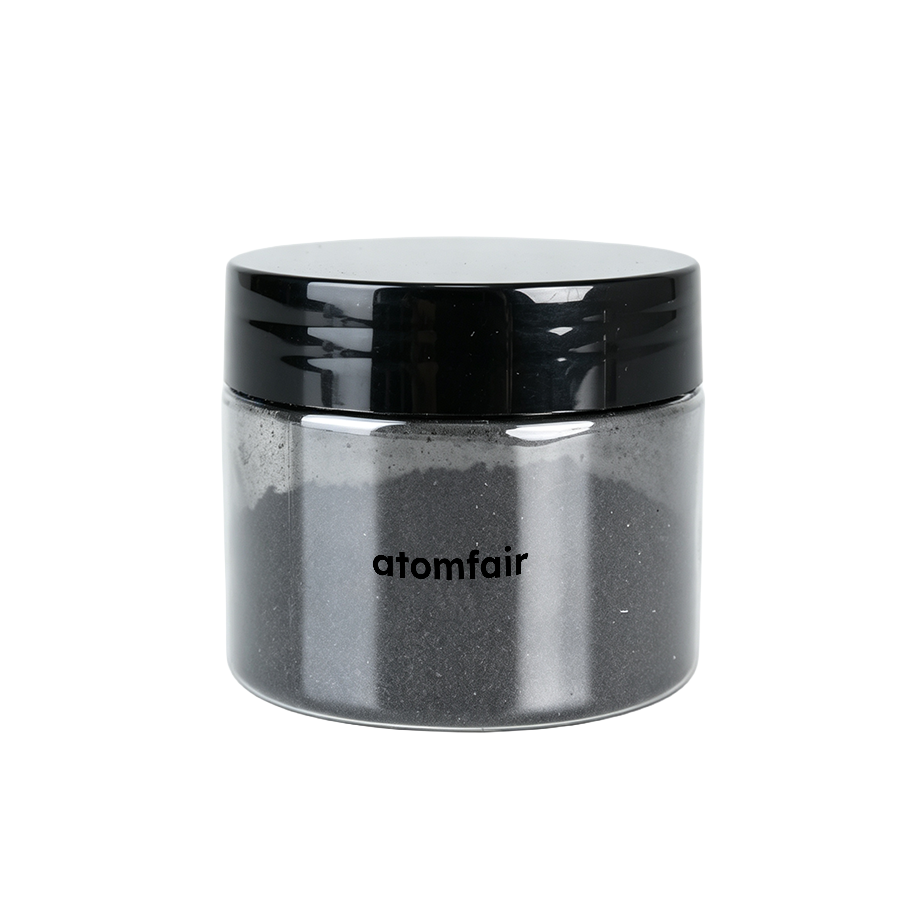
Single-walled carbon nanotubesfor thermoelectricity, OD 1-2 nm, length 5-30um, purity >95%Product Type: Single-walled carbon nanotube material
Research-grade laboratory product
|
|||||||||||||||||||
|
|||||||||||||||||||
|
LABORATORY PROCUREMENT SUPPORT
For model selection, material specification matching, application fit or quotation confirmation, contact our technical sales team.
E-MAIL: inquiry@atomfair.com
|
|||||||||||||||||||
|
Supplier: Atomfair
Brand: ATOMFAIR®
|
Manufacturer: Atomfair LLC
Brand: ATOMFAIR®
This material requires controlled storage in a dry, inert atmosphere to prevent moisture adsorption and oxidation of the nanotube surface. Dispersion in compatible solvents or polymer matrices must be validated to avoid aggregation and loss of thermoelectric performance.
- Environmental sensitivity: Exposure to ambient humidity can cause nanotube bundling and reduce dispersion quality in subsequent processing steps.
- Handling constraint: Use of a glovebox or desiccator is recommended when opening the container to maintain material purity above 95%.
How does the outer diameter range of 1–2 nm affect the thermoelectric performance of these single-walled carbon nanotubes compared to larger-diameter tubes?
The 1–2 nm outer diameter range is characteristic of single-walled carbon nanotubes optimized for thermoelectric applications, as this diameter promotes quantum confinement that can enhance the Seebeck coefficient. The product is specifically labeled for thermoelectricity, but the source does not provide quantitative performance data such as ZT or power factor. Users should evaluate the diameter in relation to their target thermoelectric composite or film formulation.
What dispersion or integration method is recommended for incorporating these single-walled carbon nanotubes into a polymer matrix for thermoelectric composite fabrication?
The product is supplied as a dry powder and requires dispersion in a suitable solvent or polymer matrix for composite or film fabrication. The source notes that the material is intended for dispersion, composite, film, electrode, and conductivity workflows, but does not specify a recommended solvent or surfactant. Users should confirm the dispersion protocol and compatibility with their polymer system before quotation, as standard solvents like NMP or DMF are commonly used for SWCNTs.
What storage and handling precautions are required for single-walled carbon nanotubes with >95% purity and 1–2 nm diameter to minimize inhalation risk and maintain stability?
As a research-grade nanomaterial, these single-walled carbon nanotubes should be handled in a fume hood or glovebox to prevent aerosolization and inhalation. The source does not provide specific safety or storage parameters, but standard precautions for carbon nanomaterials include storing in a sealed container away from moisture and using PPE. The >95% purity indicates low amorphous carbon content, which may reduce but not eliminate handling risks.
This single-walled carbon nanotube material (OD 1-2 nm, length 5-30 µm, purity >95%) is evaluated for thermoelectric applications, where its nanoscale diameter and high aspect ratio support phonon scattering for reduced thermal conductivity while maintaining electrical percolation in composite films.
Positive
- High purity for consistent performance: Purity >95% minimizes amorphous carbon and catalyst residue, reducing variability in electrical conductivity and thermoelectric figure of merit across batches.
- Narrow diameter range for phonon engineering: Outer diameter of 1-2 nm provides a well-defined quantum confinement regime, enabling reproducible phonon scattering and bandgap tuning in thermoelectric nanocomposites.
Trade-offs
- Length variability requires dispersion optimization: Length range of 5-30 µm introduces bundle heterogeneity; achieving uniform dispersion in polymer or solvent matrices may require extended sonication or surfactant stabilization.
- Pristine form limits direct thermoelectric integration: As-supplied pristine nanotubes lack functional groups for covalent matrix bonding; post-processing functionalization or doping is typically required to optimize Seebeck coefficient and electrical conductivity.
Every advanced material, component, equipment, and instrument in our catalog is backed by rigorous testing. We maintain strict internal quality management frameworks and align with CE conformity metrics to deliver transparent, reproducible performance data via our public open-science repository.
To request raw batch performance data, submit formal vendor registration paperwork, or execute a fast-turnaround R&D manufacturing loop, contact us at inquiry@atomfair.com.
Item is dispatched under the Atomfair Shipping & Delivery Framework (Free worldwide shipping on orders over $59 USD excl. heavy equipment). Return is governed by the Atomfair Return & Refund Policy (7-day technical return window).