Description
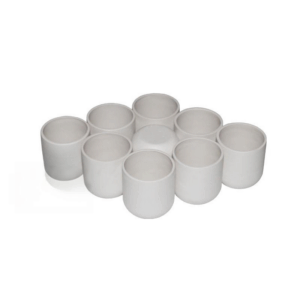
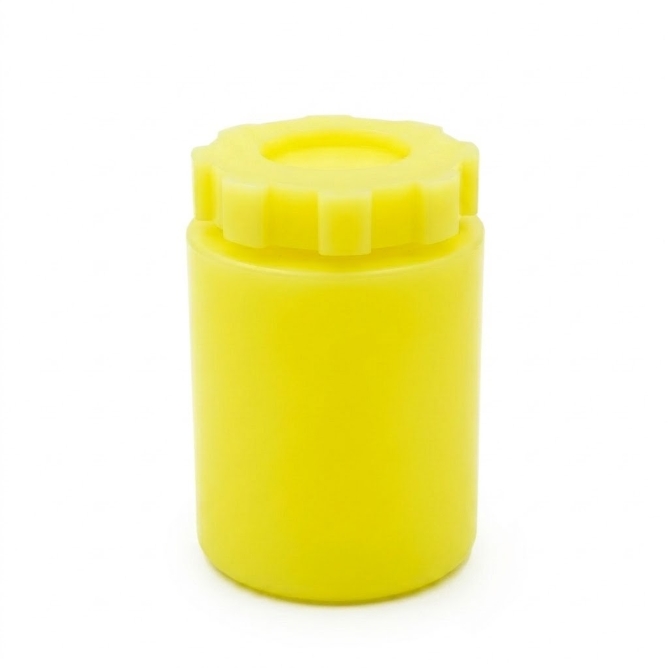
POLYURETHANE ROLLER GRINDING JAR PU 100ML-10L SHORE A 85-95 LOW NOISERESEARCH GRADE MATERIAL
|
|||||||||||||||||||||||||||||||||||||||||||||||||||||||||||||||||||||||
|
|||||||||||||||||||||||||||||||||||||||||||||||||||||||||||||||||||||||
|
TAILORED SOLUTIONS FOR RESEARCH
Contact our engineering team for technical support or official quotations.
EMAIL: inquiry@atomfair.com
|
|||||||||||||||||||||||||||||||||||||||||||||||||||||||||||||||||||||||
|
Manufacturer: Atomfair LLC
Brand: ATOMFAIR®
|
These polyurethane grinding jars exhibit chemical resistance to severe environments and a broad thermal operating window for milling applications. They are designed to minimize particle contamination and prevent material sticking during high-energy milling processes.
- Chemical Compatibility: The polyurethane material resists degradation in severe chemical environments commonly encountered in milling.
- Thermal Operating Window: The jars maintain structural integrity across a broad temperature range suitable for typical milling operations.
- Contamination Control: The elastomer formulation minimizes particle shedding and prevents cross-contamination of milled samples.
- Anti-Sticking Property: The surface chemistry reduces adhesion of mineral cakes and other milled materials to the jar walls.
- Mechanical Durability: The scratch-resistant polyurethane withstands repeated impact from grinding media without significant wear.
How does the elasticity of polyurethane grinding jars impact milling efficiency compared to rigid ceramic jars?
The high elasticity of polyurethane jars absorbs impact forces, which can reduce grinding efficiency relative to rigid ceramic jars. However, this elasticity provides superior wear resistance, low-noise operation, and eliminates mineral cake sticking, making them optimal for contamination-sensitive applications in automotive, electronic ceramic, and aerospace industries where sample purity is prioritized over maximum throughput.
What outer diameter dimensions must be considered when integrating these polyurethane jars into existing roller mills?
The jars are available in outer diameters from Φ68 mm (100 ml) to Φ243 mm (10 L). For example, the 1000 ml jar has an outer diameter of Φ132 mm. Users must verify that their roller mill's roller spacing and diameter can accommodate these dimensions. Custom sizes are available by contacting support.
What is the safe operating temperature range for polyurethane grinding jars to avoid material failure?
The polyurethane jars operate reliably from -20°C to 120°C without compromising physical stability. Exceeding 120°C may degrade the carbamate linkages, while sub-zero temperatures below -20°C could reduce elasticity. Storage within this range is recommended to maintain structural integrity and extend service lifetime.
The roller polyurethane grinding jars offer a wear-resistant, low-noise milling solution with a broad thermal operating window from -20°C to 120°C, but require careful chemical compatibility assessment and are limited to non-abrasive, low-impact milling applications due to the elastomer's inherent softness.
Positive
- Low-noise milling operation: The polyurethane elastomer structure significantly minimizes physical shell vibrations and mechanical roar during milling, enabling quieter laboratory environments for sensitive sample processing.
- Broad thermal operating window: The containers maintain uncompromised physical stability across a thermal range from -20°C to 120°C, supporting sub-zero and moderate-temperature milling protocols without material degradation.
Trade-offs
- Chemical compatibility limitations: The polyurethane formulation may degrade in severe chemical environments; users must verify compatibility with specific solvents or reactive agents to avoid container swelling or failure.
- Not for high-impact milling: The high-elasticity polymer structure is optimized for low-noise, scratch-resistant processing but may not withstand heavy impact forces from large or dense grinding media, limiting use to softer or finer materials.
Every advanced material, component, equipment, and instrument in our catalog is backed by rigorous testing. We maintain strict internal quality management frameworks and align with CE conformity metrics to deliver transparent, reproducible performance data via our public open-science repository.
To request raw batch performance data, submit formal vendor registration paperwork, or execute a fast-turnaround R&D manufacturing loop, contact us at inquiry@atomfair.com.
Item is dispatched under the Atomfair Shipping & Delivery Framework (Free worldwide shipping on orders over $59 USD). Return is governed by the Atomfair Return & Refund Policy (7-day technical return window).