Description
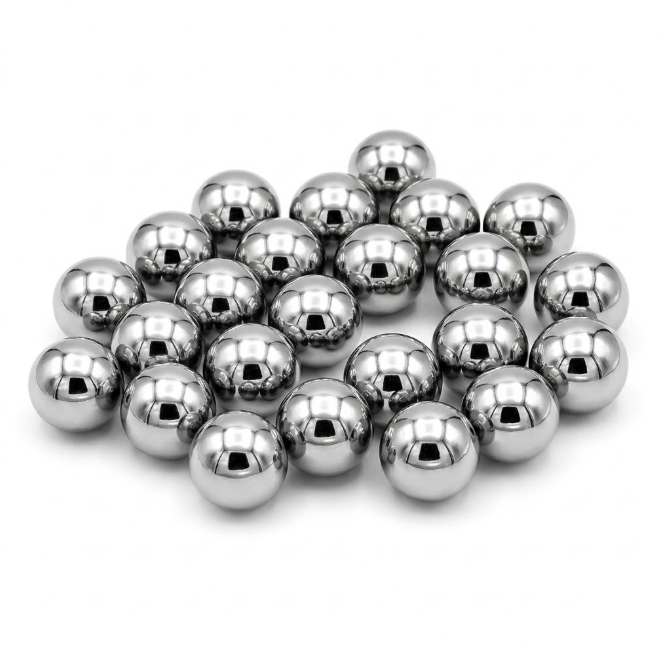
WC-CO TUNGSTEN CARBIDE GRINDING BALLS 5MM 1KG HRA 93 MIRROR POLISHRESEARCH GRADE MATERIAL
|
|||||||||||||||||||||||||||||||
|
|||||||||||||||||||||||||||||||
|
TAILORED SOLUTIONS FOR RESEARCH
Contact our engineering team for technical support or official quotations.
EMAIL: inquiry@atomfair.com
|
|||||||||||||||||||||||||||||||
|
Manufacturer: Atomfair LLC
Brand: ATOMFAIR®
|
These cemented carbide grinding balls exhibit extremely low self-wear and high corrosion resistance, minimizing contamination risk during milling. No specific environmental storage constraints are required beyond standard dry conditions, as the sintered WC-Co structure is chemically stable and non-reactive.
- Contamination Risk: The low wear rate at the 10⁻⁹ g/h level ensures negligible material transfer to the milled sample.
- Corrosion Resistance: The WC-Co composition provides inherent resistance to corrosion in most aqueous and organic milling environments.
- Mechanical Integrity: High hardness (HRA 88–93) and toughness prevent fracture or deformation under typical ball milling impact loads.
Select the appropriate ball diameter and ball-to-powder weight ratio based on the target particle size and material hardness. Load the balls into the milling jar with the sample and process under the recommended rotational speed and duration.
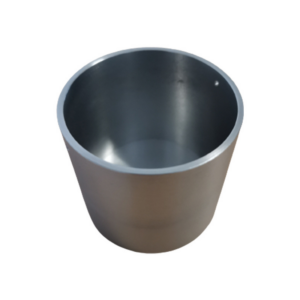
Required Equipment: Ball mill (planetary, vibratory, or attritor), Milling jar compatible with WC-Co balls
- Select Ball Diameter
Choose a ball diameter between 1 mm and 30 mm that matches the desired final particle size and mill type. - Determine Ball-to-Powder Ratio
Calculate the ball-to-powder weight ratio, typically ranging from 5:1 to 20:1 depending on material hardness. - Load Milling Jar
Transfer the selected balls and sample powder into the milling jar, ensuring the jar is no more than two-thirds full. - Set Milling Parameters
Configure the mill rotational speed and run time according to the manufacturer's recommendations for the specific jar and ball load. - Start Milling Process
Initiate the milling cycle and monitor for any abnormal noise or vibration that may indicate jar imbalance. - Inspect Balls After Use
Examine the balls for surface wear or chipping after each milling run to ensure continued performance.
How do cemented carbide grinding balls compare to YG6 carbide balls in toughness and impact resistance?
Cemented carbide grinding balls offer better toughness and impact resistance than YG6 carbide balls while maintaining high hardness (HRA 88–93) and excellent wear resistance, making them suitable for high-impact applications such as punching or extrusion balls.
Can WC-Co grinding balls be used for grinding high-purity quartz without contamination?
Yes, WC-Co grinding balls are well-suited for high-purity quartz grinding because they feature an extremely low wear rate at the 10⁻⁹ g/h level and almost no self-wear, resulting in minimal contamination risk.
What milling equipment specifications are required for using cemented carbide grinding balls?
Cemented carbide grinding balls have a high density of 14.5–15.0 g/cm³, so the milling equipment must handle such heavy media. They are available in diameters from 1 to 30 mm and maintain a precision tolerance of 0.001 mm, requiring a mill that can accommodate these sizes and precision standards.
Cemented carbide grinding balls (WC-Co) offer exceptional hardness (HRA 88-93) and ultra-low wear rates (10⁻⁹ g/h), making them ideal for ultra-fine grinding of super-hard and high-value materials like silicon carbide and high-purity quartz. Their high density (14.5-15.0 g/cm³) and precision tolerance (0.001 mm) provide consistent milling performance but require consideration of mill dynamics and potential cobalt contamination in ultra-pure processes.
Positive
- Exceptional Hardness and Wear Resistance: Hardness of HRA 88-93 and an extremely low wear rate at the 10⁻⁹ g/h level deliver a service life dozens of times longer than ordinary tungsten steel balls, reducing media replacement frequency in high-abrasion milling applications.
- Ultra-Low Contamination Risk: Near-zero self-wear combined with strong corrosion resistance minimizes material cross-contamination, making these balls suitable for ultra-fine grinding of super-hard, high-value materials such as silicon carbide and high-purity quartz.
Trade-offs
- Default Size Requires Custom Ordering: The standard default is 5 mm diameter and 1 kg weight; all other sizes and quantities must be ordered via inquiry, potentially extending procurement lead times for non-standard laboratory needs.
- Cobalt Binder May Affect Ultra-Pure Grinding: The WC-Co composition contains cobalt, which could be released as a trace contaminant during extended milling, posing a risk for processes requiring absolute chemical purity.
Every advanced material, component, equipment, and instrument in our catalog is backed by rigorous testing. We maintain strict internal quality management frameworks and align with CE conformity metrics to deliver transparent, reproducible performance data via our public open-science repository.
To request raw batch performance data, submit formal vendor registration paperwork, or execute a fast-turnaround R&D manufacturing loop, contact us at inquiry@atomfair.com.
Item is dispatched under the Atomfair Shipping & Delivery Framework (Free worldwide shipping on orders over $59 USD). Return is governed by the Atomfair Return & Refund Policy (7-day technical return window).