Description
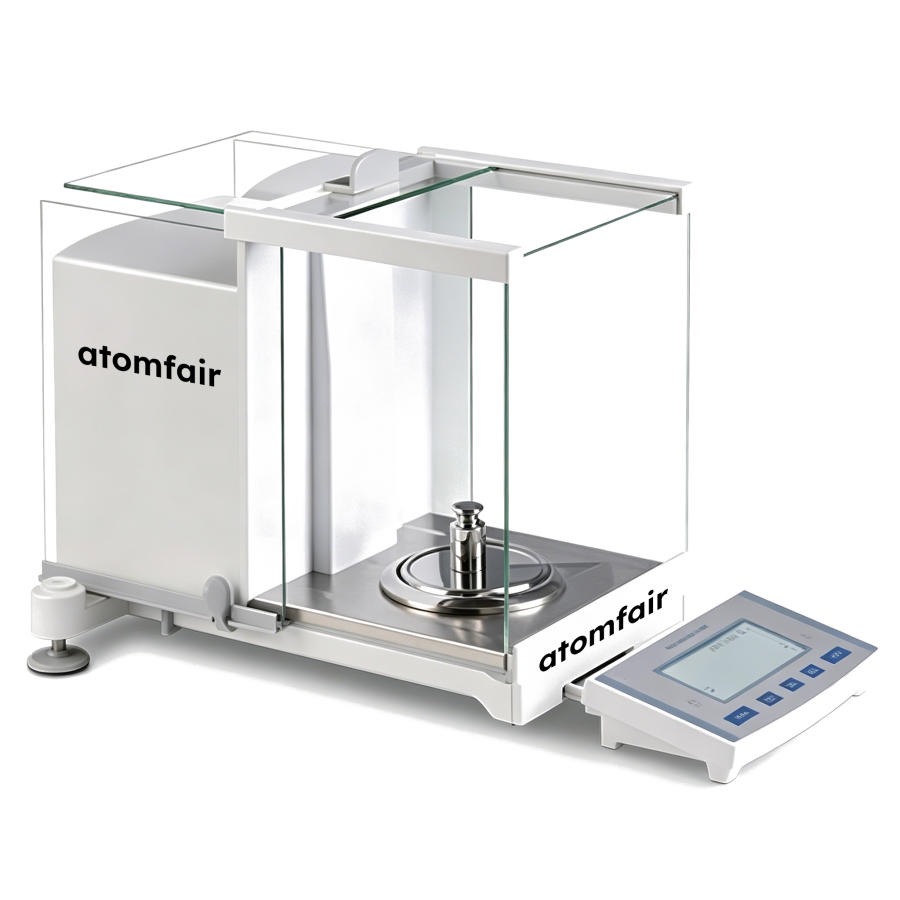
ATOMFAIR® EB31-210G-01MG-R SEMI-MICRO ANALYTICAL BALANCEEB31-210G-01MG-R CORE SPECIFICATION PLATFORM
|
|||||||||||||||||||||||||||||||||||||||||||||||||||||||||||||||||||||||||||||||||||||||||||||||||||||||||||||||||||||||||||||||||||||||||||||||||||||||||||||||||||||||||||||||||||||||||||||||||||||||
|
|||||||||||||||||||||||||||||||||||||||||||||||||||||||||||||||||||||||||||||||||||||||||||||||||||||||||||||||||||||||||||||||||||||||||||||||||||||||||||||||||||||||||||||||||||||||||||||||||||||||
|
TAILORED INDUSTRIAL LAB SOLUTIONS
Contact our elite laboratory engineering team for institutional bulk procurement quotes or interface custom integration.
EMAIL: INQUIRY@ATOMFAIR.COM
|
|||||||||||||||||||||||||||||||||||||||||||||||||||||||||||||||||||||||||||||||||||||||||||||||||||||||||||||||||||||||||||||||||||||||||||||||||||||||||||||||||||||||||||||||||||||||||||||||||||||||
|
MANUFACTURER OPERATIONS: ATOMFAIR LLC INSTRUMENTS DIVISION
REGISTERED BRAND: ATOMFAIR®
|
|||||||||||||||||||||||||||||||||||||||||||||||||||||||||||||||||||||||||||||||||||||||||||||||||||||||||||||||||||||||||||||||||||||||||||||||||||||||||||||||||||||||||||||||||||||||||||||||||||||||
This device requires temperature-controlled conditions between 18°C and 23°C and relative humidity between 20% and 80% RH to maintain specified linearity and repeatability. A mandatory 30–60 minute warm-up period after power-on is required before zeroing, calibration, or specimen loading.
- Thermal Stability Requirement: Ambient temperature swings exceeding 1.5°C trigger autonomous recalibration to compensate for thermal drift.
- Humidity Constraint: Relative humidity outside the 20%–80% range may compromise measurement precision and promote condensation on internal components.
- Warm-Up Protocol: After power-on, allow 30–60 minutes without any loading or calibration actions to achieve thermal equilibrium of the sensor.
- Vibration Isolation: The split-body display architecture mechanically decouples hand operation vibrations from the weighing cell to preserve microgram-level resolution.
Follow these steps to prepare the balance for precise mass determination after installation. The procedure ensures thermal stabilization and correct external calibration before sample measurement.
Required Equipment: 10 g external calibration weight
- Power On and Preliminary Warm-Up
Connect the balance to a 220V AC 50Hz mains supply and switch on; allow 30–60 minutes for the sensor to reach thermal equilibrium without any loading. - Perform Initial Zeroing
Press the tare/zero button to establish a stable zero reference with the empty weighing pan. - Execute External Calibration
Place the certified 10 g calibration weight on the pan, wait for stabilization, and confirm the displayed value matches 10.00000 g; adjust if necessary using the calibration menu. - Verify and Reset for Weighing
Remove the calibration weight, confirm the zero reading returns, then proceed to load sample materials for measurement.
How does the autonomous calibration trigger (temperature change >1.5°C or 2-hour interval) trade off against measurement accuracy and workflow efficiency on the EB31-210G-01MG-R?
The balance automatically recalibrates when ambient temperature shifts exceed 1.5°C or after 2 hours of operation, maintaining measurement accuracy without user intervention. However, this can interrupt workflows in labs with frequent temperature fluctuations or during long, unattended runs. The trade-off is enhanced precision at the cost of potential brief recalibration pauses.
What environmental and placement constraints must be satisfied for stable operation of the EB31-210G-01MG-R semi-micro analytical balance?
The balance requires an operating temperature of 18°C–23°C and relative humidity of 20%–80% RH. It also needs a 30–60 minute warm-up after power-on. Placement must avoid drafts, vibrations, and direct sunlight; the enclosed draft shield (internal width 230 mm) protects samples, but the outer dimensions (470 × 310 × 330 mm) must fit the bench. These constraints limit installation to climate-controlled laboratory environments.
What are the mandatory preheating and external calibration handling procedures for the EB31-210G-01MG-R before semi-micro measurements?
Allow a 30–60 minute preheating period after power-on before zeroing or loading calibration masses. The balance uses external weight calibration with a typical 10 g reference mass; the autonomous subsystem additionally triggers recalibration if temperature changes >1.5°C or if 2 hours have elapsed. Users must handle the external weight with clean gloves or tweezers to prevent contamination and ensure traceability.
The EB31-210G-01MG-R semi-micro analytical balance delivers 0.01 mg readability with a dual-range capacity of 31 g and 210 g, using an external weight calibration system and electromagnetic force compensation sensor. Its 2.5-second stabilization time and split-body design reduce vibration interference, but the instrument requires a 30–60 minute warm-up and strict environmental control (18–23°C, 20–80% RH) to maintain linearity and repeatability.
Positive
- High-resolution dual-range weighing: Provides 0.01 mg readability with a dual maximum capacity of 31 g and 210 g, enabling precise measurement of both micro and larger samples without switching instruments.
- Fast stabilization and vibration isolation: Achieves baseline kinetic response stabilization within 2.5 seconds, and the detachable display control architecture isolates mechanical hand-operation micro-vibrations from the weighing block for improved accuracy.
Trade-offs
- Mandatory warm-up period required: Requires a 30–60 minute preheating threshold following power-on initialization before operational zeroing or calibration to preserve semi-micro resolution linearity.
- Strict environmental control needed: Operates reliably only within a narrow ambient thermal range of 18°C to 23°C and workspace humidity of 20% to 80% RH, limiting deployment in unconditioned lab spaces.
Every advanced material, component, equipment, and instrument in our catalog is backed by rigorous testing. We maintain strict internal quality management frameworks and align with CE conformity metrics to deliver transparent, reproducible performance data via our public open-science repository.
To request raw batch performance data, submit formal vendor registration paperwork, or execute a fast-turnaround R&D manufacturing loop, contact us at inquiry@atomfair.com.
Item is dispatched under the Atomfair Shipping & Delivery Framework (Free worldwide shipping on orders over $59 USD). Return is governed by the Atomfair Return & Refund Policy (7-day technical return window).