
Cathode & Anode Materials & Precursors
Supercharge your battery innovation with ATOMFAIR’s comprehensive catalog of premium, research-grade cathode and anode active materials, alongside high-purity chemical precursors. Specifically synthesized for advanced electrochemical research, coin/pouch cell prototyping, and next-generation energy storage R&D, our materials ensure exceptional phase purity, controlled particle size distribution (D50), and optimized structural stability. Partnering with global tier-one manufacturers, we supply high-performance formats tailored for precise institutional benchmarking and deep-tech energy validation.
Our catalog features state-of-the-art materials manufactured under stringent quality control protocols, enabling academic labs and industrial R&D centers to eliminate structural and chemical processing variables. From baseline intercalating carbons to high-voltage polyanionic frameworks and specialized solid-state metallurgical foils, ATOMFAIR provides the pristine chemical baseline required for rigorous laboratory testing and scalable pilot-line implementation.
Show More Battery Materials & Technical Specifications
I. High-Performance NCM811 Specialized Selection Matrix
Unlock the boundary of volumetric and gravimetric energy density with ATOMFAIR’s premium portfolio of Lithium Nickel Manganese Cobalt Oxide (NCM811). To overcome the intrinsic structural challenges of high-nickel layer cathodes—such as microcracking, chemical bloating, and rapid interface degradation at elevated potentials—we offer pristine morphologies alongside state-of-the-art atomic-layer and co-precipitation solid-electrolyte coatings:
| Product Grade / ID | Morphology | Surface Modification / Coating | Target Benchmarking Performance | Advanced Target R&D Focus |
|---|---|---|---|---|
| NCM811-Pristine Poly | Polycrystalline Spherical Cluster | None (Uncoated Pure Baseline) | First Discharge ≥ 200 mAh/g (4.3V vs. Li/Li+), Tap Density ≥ 2.3 g/cm3 | Standard industrial validation, electrolyte optimization, liquid cell benchmarking |
| NCM811-Pristine Single | Single-Crystal Monolith | None (Uncoated Pure Baseline) | High Voltage Durability ≥ 4.4V, Drastically minimized particle microcracking | High-voltage cycling studies, evaluation of transition metal dissolution kinetics |
| NCM811-LNO SolidState | Polycrystalline or Single-Crystal | Lithium Niobate (LiNbO3 / LNO) Encapsulated | Suppressed space-charge layer resistance at sulfide electrolyte junctions | Sulfide-based All-Solid-State Batteries (ASSB) matching Argyrodite or LPS frameworks |
| NCM811-LATP SolidState | Polycrystalline or Single-Crystal | Lithium Aluminum Titanium Phosphate (LATP) Coated | Enhanced high-voltage interface safety, rapid fast-ion surface diffusion paths | Oxide-based solid-state batteries, hybrid solid-liquid configurations, polymer cells |
| NCM811-Oxide DualShield | Polycrystalline Cluster | Dual-Layer Atomic Oxide (Al2O3 / TiO2) Hybrid Coating | Minimized parasitic electrolyte gassing, enhanced thermal runaway onset limits | High-temperature cycle testing, consumer ultra-high capacity pouch cells, safety testing |
| NCM811-Fine Micron | Sub-micron Spherical Segregates | None or Al-doped (Customized) | Highly active electrochemical surface area (BET tailored for specific load speeds) | Extreme high-power pulse devices, thin-film micro-batteries, ultra-thin electrode casting |
II. General Advanced Cathode Active Materials Selection Matrix
We supply, engineer, and customize virtually any active cathode chemistry across Lithium-ion, Sodium-ion, and Zinc-ion electrochemical systems, matching parameters from world-leading tier-one pilot lines:
| System | Full Chemical Name (Abbr.) | Grade & Typical Formats | Industrial Benchmarking | Target Advanced R&D Application |
|---|---|---|---|---|
| Lithium-Ion (LIB) | Lithium Iron Phosphate (LFP) | High-Compaction Granular / Carbon-Coated | Capacity ≥ 155 mAh/g, Tap Density ≥ 1.2 g/cm3 | Long-life baseline cells, high-safety energy storage prototyping |
| Lithium-Ion (LIB) | Lithium Manganese Iron Phosphate (LMFP) | Mn-Rich Coated / Spherical Nano-Powder | Voltage 4.1V vs. Li/Li+, Capacity ≥ 160 mAh/g | Next-gen high-voltage phosphate systems, hybrid solid-liquid cells |
| Lithium-Ion (LIB) | Lithium Cobalt Oxide (LCO) | High-Voltage Single Crystal (4.5V – 4.6V Grade) | Capacity ≥ 185 mAh/g, Tap Density ≥ 2.8 g/cm3 | Consumer electronics, flexible thin-film batteries, ultra-high volumetric R&D |
| Lithium-Ion (LIB) | Lithium Manganese Oxide (LMO) | High-Rate Spinel / Spherical Particle | Capacity ≥ 115 mAh/g, Excellent C-rate stability | High-power pulse cells, cost-effective power tools, aqueous lithium systems |
| Lithium-Ion (LIB) | Lithium Nickel Manganese Cobalt Oxide (NCM) | Polycrystalline Baseline (NCM111, 523, 622) | Standard high-capacity industrial formulations | Standard three-way cell baseline testing, electrolyte additive screening |
| Lithium-Ion (LIB) | Ultra-High Nickel NCM (Ni90 / Ni96) | Single-Crystal High-Voltage / Poly-Ni96 Grade | Capacity ≥ 220 mAh/g, Minimized Microcracking | Ultra-high energy density cells, single crystal modification benchmarking |
| Lithium-Ion (LIB) | Nickel Cobalt Manganese Aluminum Oxide (NCMA) | Advanced Al-Doped Layered Monocrystal | Enhanced thermal stability & capacity retention | Automotive-grade large pouch/cylindrical cells, long-cycle high-nickel R&D |
| Lithium-Ion (LIB) | Lithium Nickel Manganese Oxide (LNMO) | Cobalt-Free High-Voltage Spinel Matrix | 4.7V High-Voltage Platform, Capacity ~135 mAh/g | Cobalt-free high-voltage cathode, high-voltage electrolyte degradation tests |
| Lithium-Ion (LIB) | Lithium-Manganese-Rich Layered Oxide (LMR) | High-Capacity O3-type Layered Solid Solution | Capacity ≥ 260 mAh/g, Specific Energy Maxima | Overcoming 400 Wh/kg limits, multi-electron reaction fundamental science |
| Lithium-Ion (LIB) | Lithium Vanadium Phosphate (LVP / LVPF) | NASICON Carbon-Coated Polyhedral Nano-Powder | Capacity ~130 mAh/g (LVPF @ 4.2V Avg.) | Wide-temperature cells (extreme low/high), extreme fast-charging electrochemistry |
| Sodium-Ion (SIB) | Sodium Nickel Manganese Iron Oxide (O3 / P2-NaNFM) | Air-Stable Layered Crystals (O3, P2, Mixed Phase) | Capacity ≥ 135 mAh/g, High Ambient Air Stability | Industrial-scale sodium layered cathode baseline, wide-temperature SIB cells |
| Sodium-Ion (SIB) | Sodium Vanadium Phosphate (NVP) | Carbon-Coated NASICON Structured Crystals | Capacity ~100 mAh/g, Voltage 3.4V vs. Na/Na+ | Ultra-long life energy storage SIBs, high-rate sodium-ion cells |
| Sodium-Ion (SIB) | Sodium Vanadium Fluorophosphate (NVPF3) | High-Voltage Na3V2(PO4)2F3 Nano-Composite | Capacity ≥ 120 mAh/g, Voltage 3.9V vs. Na/Na+ | High energy density SIBs, all-solid-state sodium battery pioneering research |
| Zinc-Ion (ZIB) | Electrolytic Manganese Dioxide (EMD / MnO2) | Birnessite-type / Tunnel Polymorphs (Alpha, Beta, Delta) | Controlled crystalline frameworks, High Zn-uptake | Aqueous Zinc-Ion Battery (AZIB) classical manganese-based baseline validation |
| Zinc-Ion (ZIB) | Layered Vanadium Oxide / Bronze (V2O5 / Zn-V Bronze) | V2O5 Nanorods / Zn0.25V2O5·nH2O Sheets | Multi-electron transfer, Capacity ≥ 300 mAh/g | High-capacity high-rate aqueous zinc cells, tunnel structural insertion physics |
III. Premium Anode Active Materials & Metallic Substrates Matrix
From zero-strain insertion oxides to tailored alkali metallurgical alloys, our portfolio covers the full spectrum of high-fidelity anode materials optimized to suppress dendrite propagation:
| Category | Full Chemical Name (Abbr.) | Grade & Typical Formats | Industrial Benchmarking | Target Advanced R&D Application |
|---|---|---|---|---|
| Pure Metal | Pure Lithium Metal Foil / Ribbon (Pure Li) | Ultra-Thin Battery Grade (10µm, 20µm to 200µm) | Purity ≥ 99.9%, Controlled surface roughness | Solid-state batteries (SSB), symmetric cell interface testing |
| Pure Metal | Pure Sodium Metal Foil / Ingot (Pure Na) | Hermetic Packaged Foils / High-Purity Ingots | Zero oxide layer surface, Battery grade baseline | Sodium metal batteries (SMB), half-cell in-situ mechanistic analysis |
| Alloy/Composite | Lithium pre-deposited on Copper Foil (Li@Cu / Li-Cu) | Ultrathin Li on Electronic Copper Foil (Li@Cu) | Controlled Li loading thickness, Stable SEI alignment | Volume expansion mitigation in lithium metal cells, anode-free architectures |
| Alloy/Composite | Lithium-Indium Alloy (Li-In) | In-Rich Foil / Uniform Metallurgical Alloy Matrix | Thermodynamically stable potential (~0.6V vs Li) | Counter electrode equilibrium and potential anchoring in solid electrolytes |
| Alloy/Composite | Lithium-Magnesium Alloy (Li-Mg) | Solid-Solution Li-Mg Strip (Low Magnesium wt%) | Modified nucleation overpotential, suppressed dendrite | Tuning lithium nucleation barriers, long-life lithium-metal pouch cells |
| Powder Anodes | Silicon-Carbon Composite (Si-C) | Porous Carbon Cage / Nano-Si Encapsulated | Capacity 1400 – 2000 mAh/g, Low structural expansion | Next-gen ultra-high energy density cells (>350 Wh/kg) benchmarking |
| Powder Anodes | Silicon Oxides (SiOx) | Carbon-Coated SiOx (Pre-lithiated Optional) | Capacity 1300 – 1500 mAh/g, Excellent cycle life | Long-life premium EV battery development, commercial graphite matching |
| Powder Anodes | Niobium Titanium Oxide (TNO) | High-Rate Nb₂TiO7 Monocrystalline Powder | Capacity ~387 mAh/g, Voltage 1.0V-2.0V vs Li/Li+ | Extreme fast charging zero-strain anode, heavy machinery / high-power cells |
| Powder Anodes | Lithium Titanate (LTO) | Spinel Li₄Ti₅O₁₂ Sub-micron / Nano Grade | Zero-strain framework, Extreme high operating safety | Ultra-long life stationary grid storage, extreme cold cells (functional at -40°C) |
| Powder Anodes | Hard Carbon (HC) | Bio-derived / Synthetic Spherical (SIB Optimized) | Capacity 280 – 330 mAh/g, High ICE (≥ 88%) | Core pairing anode for sodium-ion cells, high fast-charging SIB prototyping |
IV. High-Purity Synthesis Precursors & Sacrificial Additives Matrix
To ensure perfect crystallization mechanics during solid-state sintering, our co-precipitation and elemental-doped precursors feature tightly controlled particle size distributions (D50) and pristine morphology:
| Category | Target System | Full Chemical Name (Abbr.) | Grade & D50 Control | Technical Value / Industrial Feature |
|---|---|---|---|---|
| Multi-Valent Co-precipitate | NCM Cathodes | Nickel Cobalt Manganese Hydroxide (NCM Precursor) | Spherical Monodisperse (D50: 3µm, 5µm, 10µm) | Engineered for sintering NCM111/523/622/811, highly dense secondary particle packing |
| Multi-Valent Co-precipitate | NCMA Cathodes | Nickel Cobalt Manganese Aluminum Hydroxide (NCMA Precursor) | Ultra-High Nickel Spherical NCMA Co-precipitate | Core precursor for automotive-grade ultra-high nickel systems, atomic-level Al distribution |
| Specialized Precursor | NM Cathodes | Nickel Manganese Hydroxide (NM Precursor) | Cobalt-Free Layered / Spinel Grade Precursor | Synthesizing next-gen cobalt-free layered NM or high-voltage 4.7V LNMO materials |
| Phosphate Precursor | LFP Cathodes | High-Purity Iron(III) Phosphate (FePO4 Precursor) | Anhydrous Amorphous / Crystalline Sub-micron | Critical baseline for LFP, absolute limits on Sulfur, structural water, and heavy metals |
| Phosphate Precursor | LMFP Cathodes | Iron Manganese Phosphate Co-precipitate (Fe-Mn Phosphate) | Atomically Mixed Fe-Mn Phosphate Framework | Guarantees complete molecular-level solid solution, eliminating manganese segregation |
| Sacrificial Agent | Cathode Pre-Lithiation | Sacrificial Lithium Iron Oxide (LFO / Li5FeO4) | Anti-Fluorite Structured Pure Phase Powder | Delivers ~700 mAh/g first-cycle delithiation, remaining phases show zero battery side effects |
| Sacrificial Agent | Cathode Pre-Sodium | Sacrificial Sodium Formulation (Pre-Sodium Agent) | Tailored Inorganic Sodium-Rich Micro-Powder | Provides extreme first-cycle desodium capacity, completely offsetting hard carbon SEI sodium sink |
Technical FAQ for Advanced Battery Materials, Precursors & Coatings
Why is Lithium Niobate (LiNbO3 / LNO) coating critical when implementing NCM811 into sulfide-based solid-state batteries?
Sulfide solid electrolytes (such as Argyrodite Li6PS5Cl or LPS) operate at completely different chemical potentials than oxide-based active materials. When raw NCM811 directly contacts a sulfide electrolyte, a cross-interface space-charge layer develops, causing rapid mutual chemical diffusion and severe oxidation of the sulfide under high operating potentials. Coating the NCM811 with a nanometer-thin layer of Lithium Niobate (LiNbO3) creates a robust ionic-conductive, electronically insulating buffer. This barrier successfully isolates the sulfide from structural oxygen while sustaining unimpeded Li+ ion hopping across the solid-state matrix.
What specific electrochemical benefits does LATP NASICON-type coating provide to high-nickel cathodes?
LATP (Li1.5Al0.5Ti1.5(PO4)3) is a recognized NASICON-type solid electrolyte exhibiting high intrinsic bulk ionic conductivity. Encapsulating NCM811 with an ultra-thin LATP phase serves a dual purpose: first, it acts as a mechanical shield against acidic HF attacks generated by hydrofluoric contamination in standard liquid electrolytes or polymer matrix degradation; second, it provides continuous 3D fast lithium-ion transport pathways at the grain boundaries. This allows cells to maintain superior rate capability (C-rate performance) even under heavily compacted, dense electrode configurations.
How does single-crystal NCM811 structurally outperform traditional polycrystalline configurations under high cut-off voltages?
Polycrystalline NCM811 particles consist of thousands of nano-sized primary grains clumped into a secondary sphere. During continuous de-lithiation (especially above 4.2V), isotropic lattice expansion and contraction cause huge mechanical stress along these internal grain boundaries, leading to particle microcracking. These cracks allow electrolyte infiltration, triggering severe internal side-reactions and rapid transition metal dissolution. Single-crystal NCM811 consists of single, micron-sized monolithic blocks that naturally lack internal grain boundaries, preventing microcracking and significantly boosting structural integrity and long-term cycle retention.
What ambient storage and processing constraints must be observed when handling pristine NCM811 powders?
Due to the high abundance of Ni3+ ions on the crystal surface of NCM811, the material is highly hygroscopic and chemically reactive with ambient moisture and carbon dioxide (CO2). Exposure to air quickly forms insulating layer contaminants like Lithium Carbonate (Li2CO3) and Lithium Hydroxide (LiOH). These residual surface lithium phases cause slurry gelation (hyper-viscosity) during NMP/PVDF mixing and block active charging pathways. Therefore, ATOMFAIR strictly packages all pristine NCM811 grades under an ultra-dry Argon atmosphere, and we highly recommend handling the powder exclusively inside an airtight glove box or dry room with a dewpoint below -50°C.
Why does ATOMFAIR enforce strict D50 and morphology controls on its NCM, NCMA, and NM co-precipitated precursors?
The particle size distribution (D50), tap density, and spherical morphology of hydroxide precursors (such as NCM, NCMA, and NM) directly dictate the solid-state calcination kinetics and final grain boundaries of the lithiated cathode. Our precise co-precipitation process minimizes elemental segregation and controls secondary particle agglomeration, allowing researchers to achieve uncompromised phase purity and superior tap density upon high-temperature sintering.
Why are Lithium-Indium (Li-In) and Lithium-Magnesium (Li-Mg) alloys preferred over pure Lithium in solid-state battery R&D?
Pure Lithium metal is prone to continuous interface degradation and severe dendrite penetration when combined with sulfide or oxide solid electrolytes due to mechanical unevenness and uneven current flux. Engineering Lithium alloys—such as Li-In or Li-Mg—significantly modifies the thermodynamic potential, establishes a more stable solid-electrolyte interphase (SEI), and lowers chemical reactivity, dramatically suppressing short-circuits during rigorous solid-state cycle testing.
How do sacrificial pre-lithiation agents like Li5FeO4 (LFO) improve cell-level energy density without affecting safety?
High-capacity anodes like Silicon-Carbon or SiOx experience massive initial lithium loss during the first charge due to Solid Electrolyte Interphase (SEI) formation. Adding a sacrificial agent like LFO to the cathode paste provides extra Li+ ions exclusively during the first cycle. Because LFO features an anti-fluorite structure that releases lithium at low overpotentials, it fully satisfies the anode’s SEI requirements, allowing the active cathode material to remain uncompromised, successfully increasing the overall net cell energy density.
Showing 33–48 of 93 results
-
Nano Silicon-Carbon Anode Powder 1800 mAh/g ATOMFAIR®
Price range: $300.00 through $800.00 -
Nano-Structured LTO Anode Powder 168 mAh/g ATOMFAIR®
Price range: $300.00 through $520.00 -
NCM 523 Grade Cathode Material 185 mAh/g ATOMFAIR®
Price range: $240.00 through $450.00 -
NCM 622 Cathode Material 195 mAh/g Research Powder ATOMFAIR®
Price range: $260.00 through $500.00 -
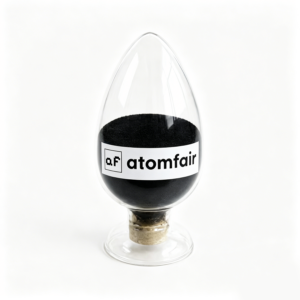
NCM 622 Grade Cathode Precursor Powder ATOMFAIR®
Price range: $280.00 through $500.00 -
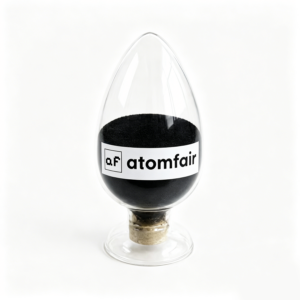
NCM 811 Cathode Precursor Powder 8:1.5:0.5 ATOMFAIR®
Price range: $280.00 through $500.00 -
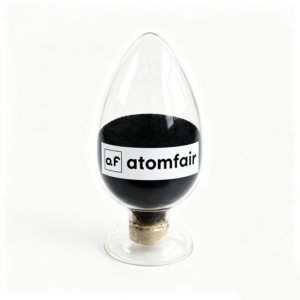
NCM 811 High Nickel Cathode Material Ni83 Powder ATOMFAIR®
Price range: $244.00 through $317.00 -
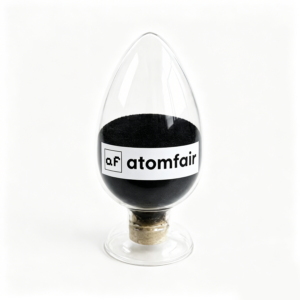
NCM 811 High-Nickel Cathode Powder 206 mAh/g ATOMFAIR®
Price range: $262.00 through $361.00 -
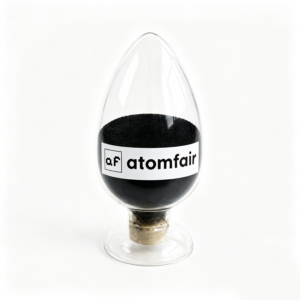
NCM 811 Ultra-High Nickel Cathode Ni88 209 mAh/g ATOMFAIR®
$300.00 -
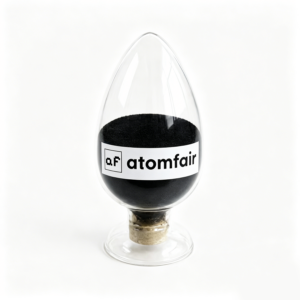
NCM 900505 Ultra-High Nickel Cathode 90:05:05 ATOMFAIR®
Price range: $300.00 through $580.00 -
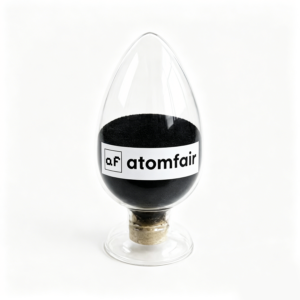
NCM622 Cathode Precursor Small Particle 60:10:30 ATOMFAIR®
Price range: $280.00 through $500.00 -
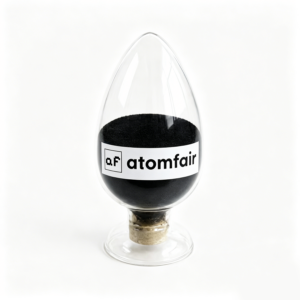
NCM811 High-Capacity Cathode Powder 205 mAh/g 4.25V ATOMFAIR®
$300.00 -
NCM83 (83:12:5) Precursor Research Grade ATOMFAIR®
Price range: $280.00 through $500.00 -
NCM85 Cathode Material 216 mAh/g High-Nickel ATOMFAIR®
Price range: $300.00 through $600.00 -
NCM91 Cathode Material 220 mAh/g Research Grade ATOMFAIR®
Price range: $300.00 through $540.00 -
NCM95 Cathode Precursor 94.98% Ni Small Particle ATOMFAIR®
Price range: $280.00 through $500.00