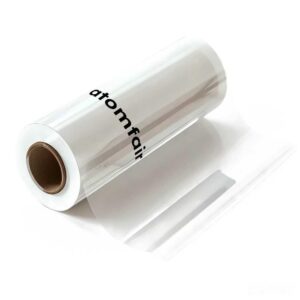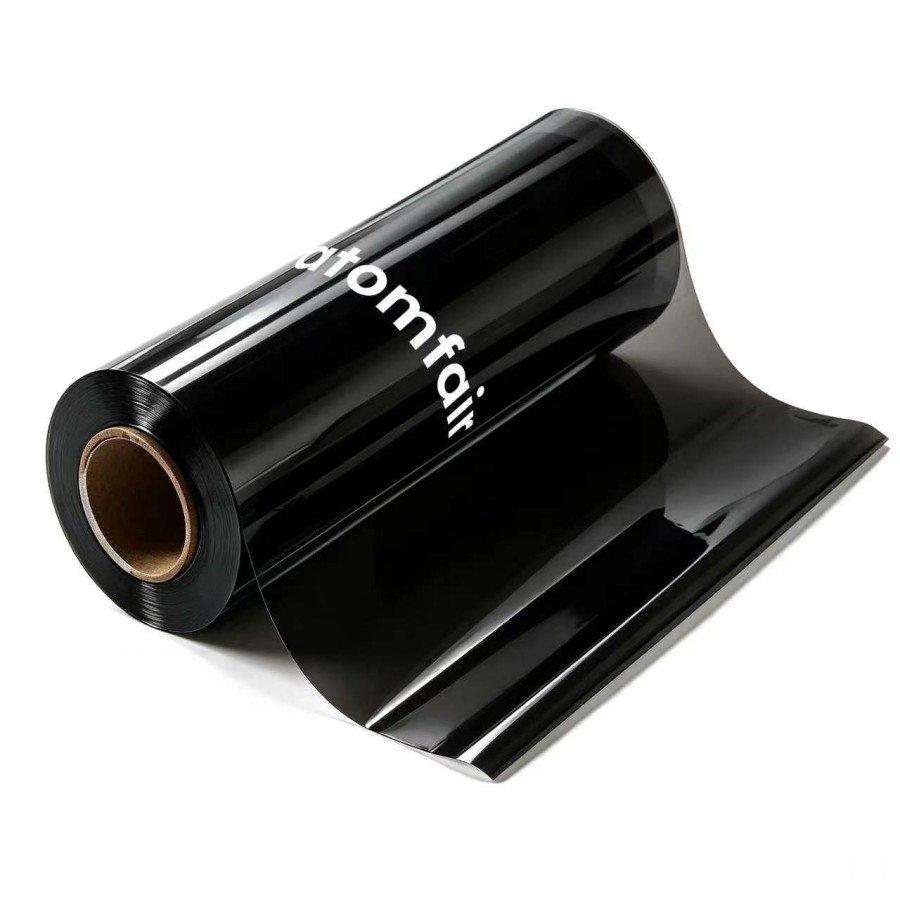
Description
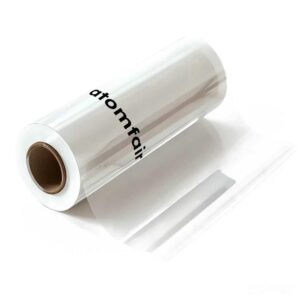
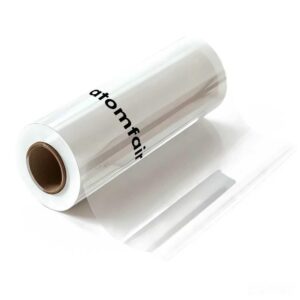
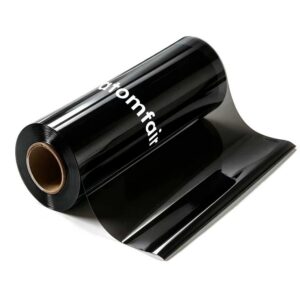
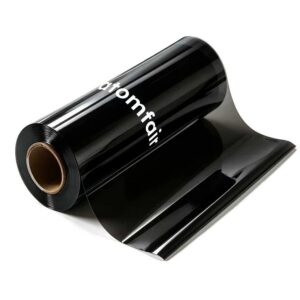
ATOMFAIR® VRFB ION EXCHANGE MEMBRANE TAPE CASTING SHEETRESEARCH GRADE MATERIAL
|
|||||||||||||||||||||||||||||||||||||||||||||||
|
|||||||||||||||||||||||||||||||||||||||||||||||
|
TAILORED SOLUTIONS FOR RESEARCH
Contact our engineering team for technical support or official institutional quotations.
EMAIL: INQUIRY@ATOMFAIR.COM
|
|||||||||||||||||||||||||||||||||||||||||||||||
|
MANUFACTURER: ATOMFAIR LLC
|
|||||||||||||||||||||||||||||||||||||||||||||||
This membrane is sensitive to moisture and temperature variations that affect dimensional stability and proton conductivity. Proper storage and handling are required to maintain its mechanical integrity and performance in vanadium redox flow battery environments.
- Moisture sensitivity: Maintain the membrane's water content between 2% and 8% to avoid dimensional changes from drying or over-hydration.
- Thermal expansion: Avoid prolonged exposure to temperatures above 100°C to keep thickness swelling below 15% and linear expansion below 18%.
- Chemical compatibility: The membrane is designed for use in acidic environments such as 3M H2SO4; verify compatibility with other electrolytes.
- Mechanical integrity: Do not subject the membrane to tensile stresses exceeding 30 MPa or strains beyond 120% elongation at break to prevent rupture.
- Pre-conditioning: Hydrate the membrane to achieve a water uptake of 45–55% before installation to ensure optimal proton conductivity.
How does the water uptake of 50% affect the NEPEM N-113 membrane's conductivity and dimensional stability in a vanadium flow battery?
The water uptake of 50.0±5.0% enables high proton conductivity (≥0.100 S/cm at 23°C, 100%RH) by facilitating hydrated proton transport, but is balanced by controlled thickness swelling (≤5% at 23°C and ≤15% at 100°C) to maintain mechanical integrity within the cell stack. This trade-off ensures sufficient ionic conduction without excessive deformation that could cause leakage or short circuits.
How does the NEPEM N-113 membrane's vanadium resistance prevent capacity fading in vanadium redox flow batteries?
The membrane incorporates special tape-casting materials that provide enhanced vanadium resistance, minimizing crossover of vanadium ions between the positive and negative electrolytes. This reduces self-discharge and capacity decay over cycling, directly addressing the primary failure mode of vanadium redox flow batteries without requiring additional barrier layers.
What environmental conditions are required during handling and storage to preserve the NEPEM N-113's dimensional stability and proton conductivity?
Store and handle the membrane at 23°C and 50%RH to maintain its water content of 5.0±3.0% and prevent excessive drying or swelling. Departure from these conditions risks thickness swelling beyond the specified ≤5% at 23°C and reduction in tensile strength (≥30 MPa) or elastic modulus (≥400 MPa), compromising both dimensional and ionic performance.
The NEPEM N-113 membrane offers enhanced mechanical strength and vanadium resistance for vanadium flow batteries, with tensile strength ≥30 MPa and conductivity ≥0.100 S/cm. However, its dimensional stability at elevated temperatures (≤15% thickness swelling and ≤18% linear expansion at 100°C water) requires careful thermal management in stack assembly.
Positive
- High mechanical strength and modulus: Tensile strength ≥30 MPa and elastic modulus ≥400 MPa provide robust mechanical integrity for stack assembly and long-term operation.
- Optimized vanadium resistance and conductivity: Special tape casting materials impart improved vanadium resistance, while conductivity ≥0.100 S/cm (23°C, 100%RH) supports efficient ion transport in VRFB cells.
Trade-offs
- Significant thickness swelling at 100°C: Thickness swelling in water at 100°C is ≤15%, which may cause mechanical stress and interface degradation in high-temperature stack operation.
- High linear expansion in hot water: Linear expansion at 100°C water is ≤18%, necessitating careful gasket design and thermal cycling tolerance to maintain seal integrity.
Every advanced material, component, equipment, and instrument in our catalog is backed by rigorous testing. We maintain strict internal quality management frameworks and align with CE conformity metrics to deliver transparent, reproducible performance data via our public open-science repository.
To request raw batch performance data, submit formal vendor registration paperwork, or execute a fast-turnaround R&D manufacturing loop, contact us at inquiry@atomfair.com.
Item is dispatched under the Atomfair Shipping & Delivery Framework (Free worldwide shipping on orders over $59 USD). Return is governed by the Atomfair Return & Refund Policy (7-day technical return window).