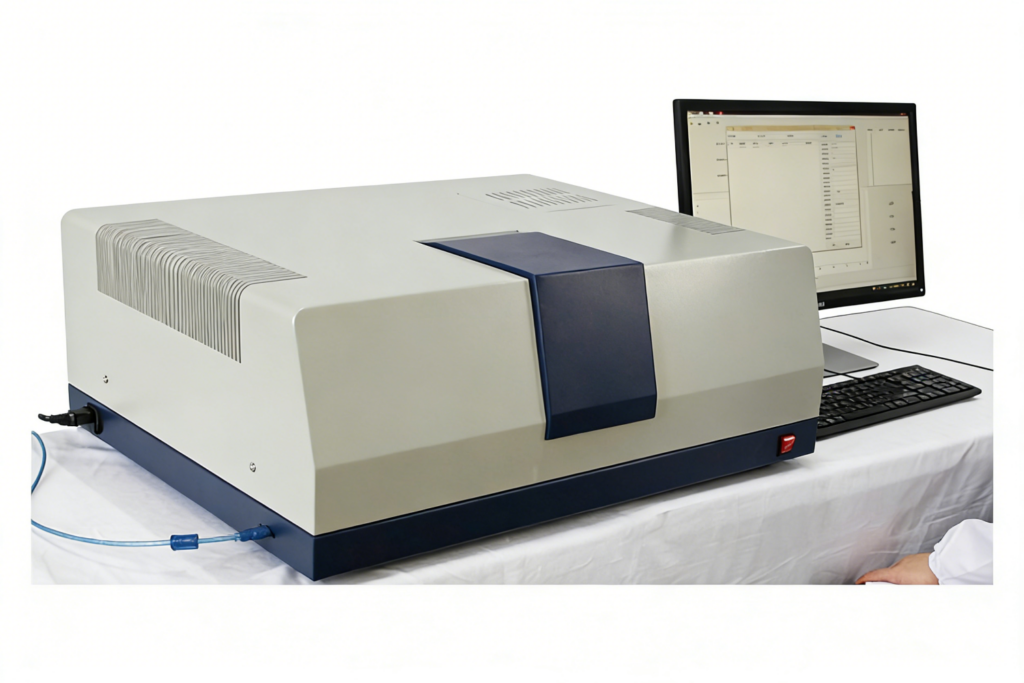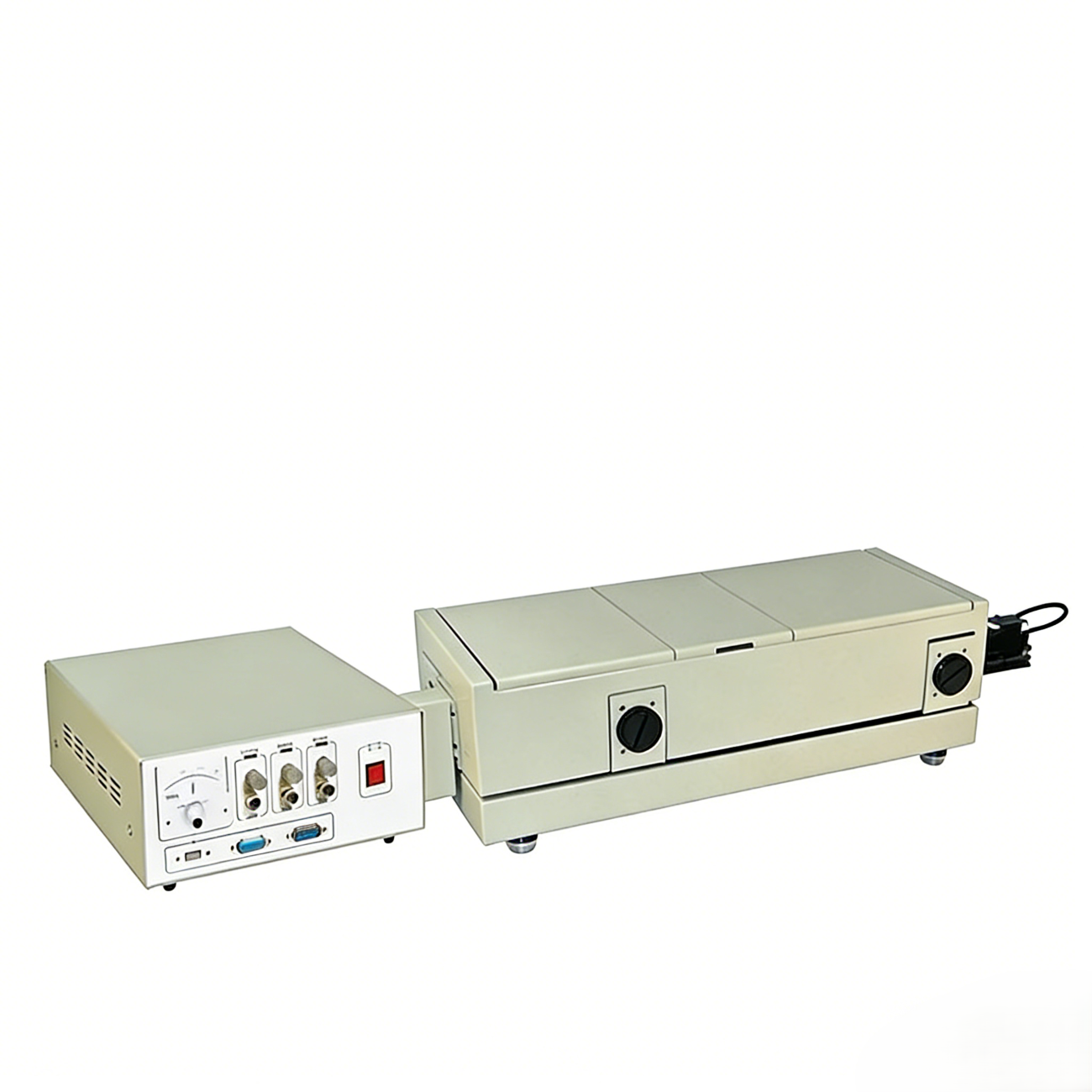
Atomfair-ONLM-739 Optical Nonlinearity Measuring Instrument
Product Basic Information
- Brand: Atomfair
- Product Model: Atomfair-ONLM-739
- Product Category: Optoelectronics and Laser Field
- Applicable Scenarios: Teaching and scientific research in institutions of higher education
Product Overview
Nonlinear optics is a crucial foundation for the physics of information optoelectronics and photonic devices. The Atomfair-ONLM-739 Optical Nonlinearity Measuring Instrument empowers users to grasp the second-order and third-order nonlinear optical phenomena in crystals and polymer materials. It facilitates the exploration of new phenomena, principles, and methods, providing a solid basis for the research and development of new materials and devices. Meanwhile, it offers strong support for the advancement of new processes, methods, and technologies in device fabrication. Featuring a novel structure, moderate price, and comprehensive functions, this instrument fully meets the core needs of teaching and scientific research in colleges and universities.
Product Features
- Adopts laser Z-scan technology, ensuring advanced and reliable measurement principles.
- Boasts a simple optical path design (single-beam structure) with high measurement sensitivity. It can directly obtain open-aperture, closed-aperture, and light spot information, while simultaneously measuring the nonlinear refractive index and nonlinear absorption coefficient.
- Equipped with multiple detectors (photomultiplier tube, silicon photocell, CCD), comprehensively covering the requirements of optical signal measurement.
- Supports automatic control and testing via computer (Windows multi-screen system), enabling convenient and efficient operation.
- Comes with a variety of dedicated accessories, suitable for the measurement of solid samples, and is equipped with a USB interface for strong compatibility.
Basic Configuration and Technical Parameters
| Serial Number | Configuration Name | International Standard Specifications |
|---|---|---|
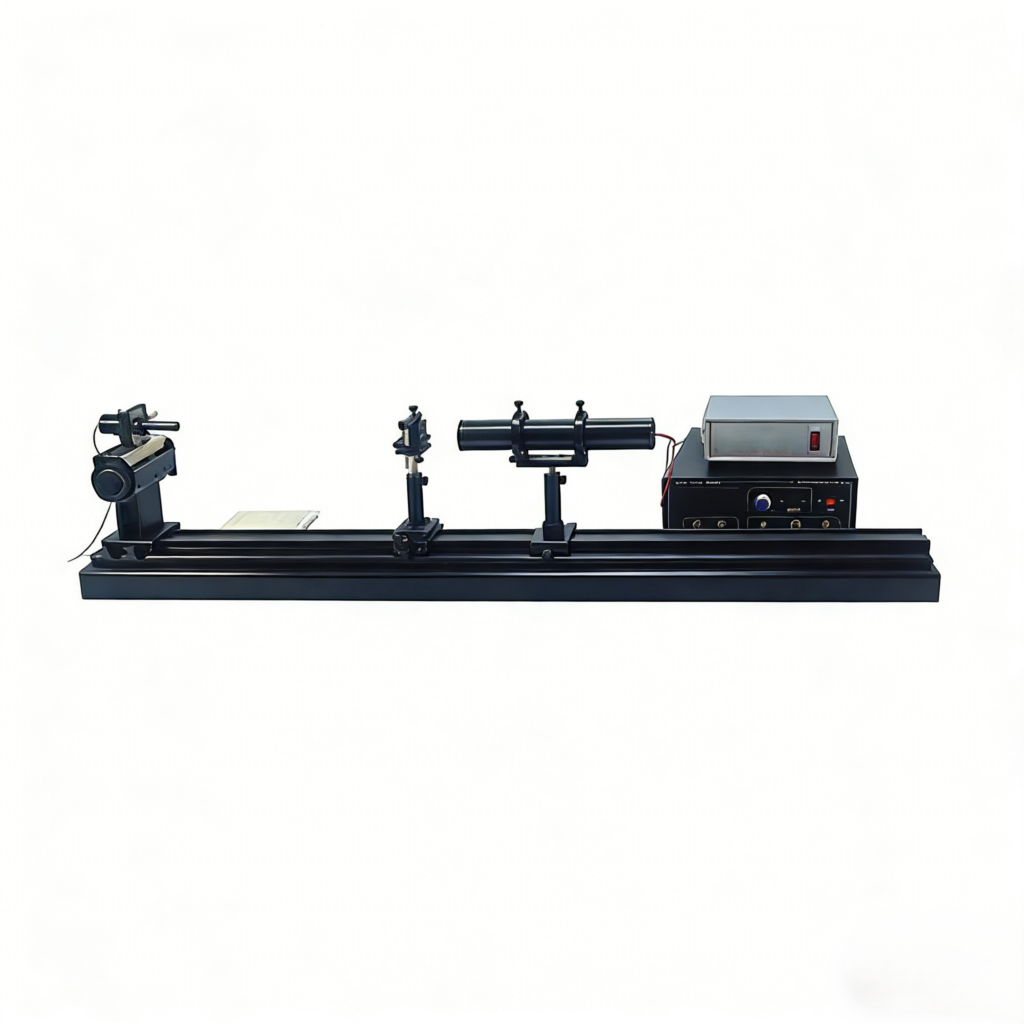
| 1 | Measuring Instrument Host | Z-scan range: -50mm~+50mm; Sampling interval: 0.1mm, 0.2mm, 0.5mm, 1mm, 2mm, 5mm; Measurement modes: Transmittance and energy; Scanning speeds: High, medium, low three gears; Scanning methods: Continuous scanning, repeated scanning, time scanning |
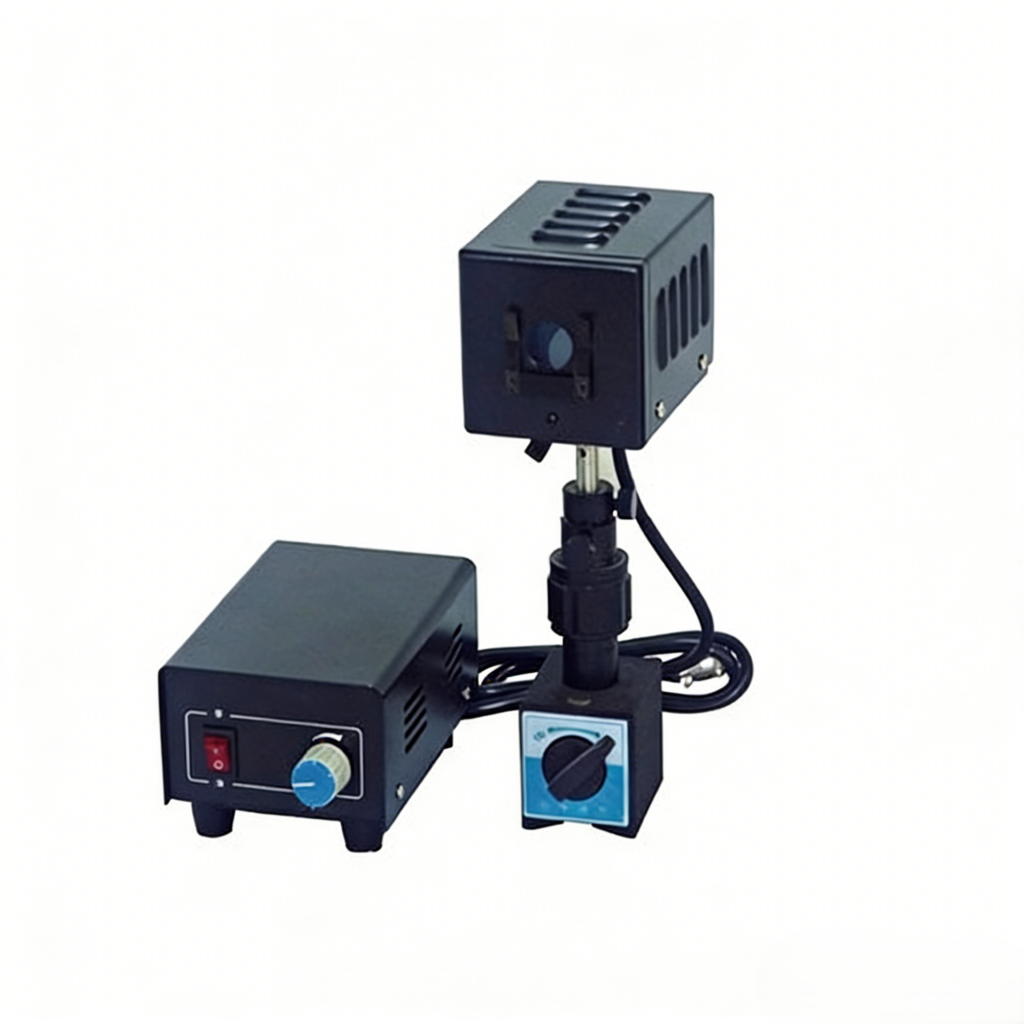
| 2 | Photomultiplier Tube Receiver | Spectral response range: 185nm~870nm; Maximum response wavelength: 400±30nm; Multiplication system structure: Mouse-cage type (9 stages); Electron transit time: 22ns |
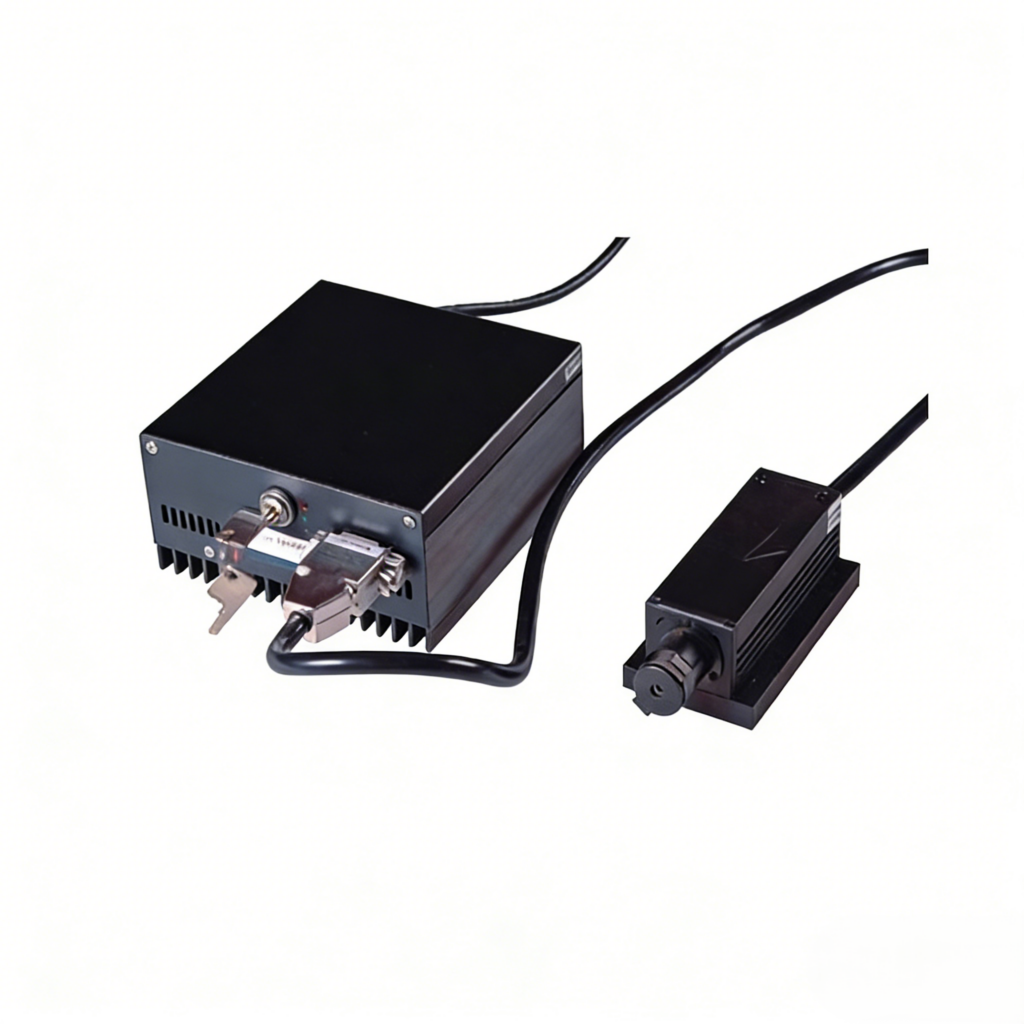
| 3 | Solid-State Laser | Central wavelength: 532nm; Output power: >100mW |
| 4 | Attenuator | Transmittance: 2% |
| 5 | Data Processing Software | Core functions: Spectral background baseline memory, spectral data accumulation operation, spectral data differential operation, spectral scale expansion, normalized transmittance analysis, spectral data smoothing operation, spectral data four arithmetic operations, spectral file management, spectral peak detection, theoretical simulation graph generation |
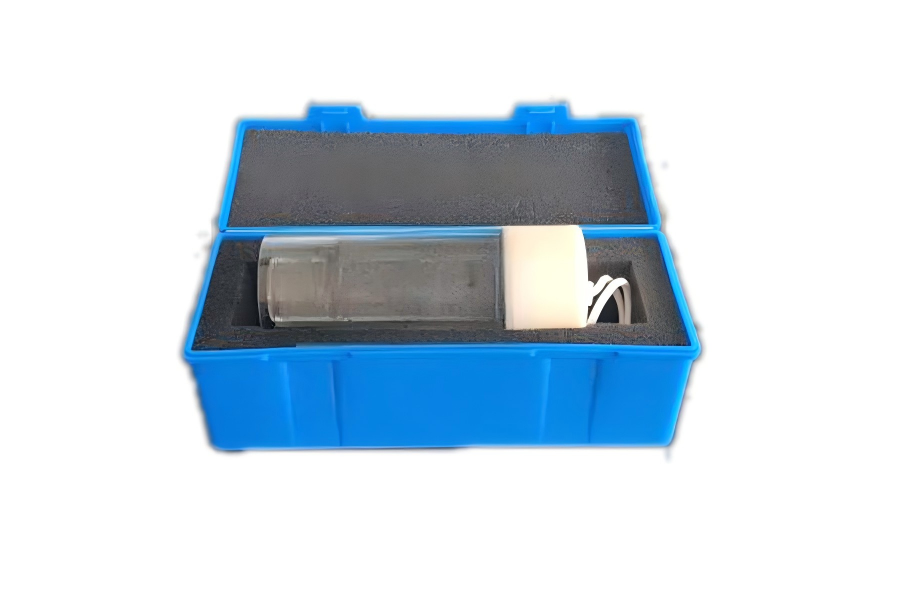
| 6 | Auxiliary Detection Components | Includes silicon photocell detector, photodiode detector, and supporting samples |
Note: The above configurations and parameters are for reference only. The final configuration shall be subject to the product packing list. No separate notice will be given for minor adjustments.
Optional Configurations
| Serial Number | Configuration Name | International Standard Specifications |
|---|---|---|
| 1 | Computer | Processor: 2.5G dual-core; Hard disk capacity: 200G; Memory capacity: 3G; Display configuration: Independent graphics card |
| 2 | Monitor | Type: LCD monitor |
| 3 | Printer | Standard universal printing device |
Product Applications
This instrument is mainly used in the teaching and scientific research of nonlinear optics in institutions of higher education. It can assist researchers in conducting in-depth studies on nonlinear optical phenomena of various materials (crystals, polymers, etc.), exploring new material properties and device application possibilities, and providing effective experimental tools for the innovation and development of related disciplines. It is an indispensable key equipment in the fields of optoelectronic material research, photonic device development, and nonlinear optical theory verification.
If you’re interested, have any questions, or have specific customization requirements, please feel free to contact us at inquiry@atomfair.com.
The instrument requires connection to a computer running a Windows operating system via its USB interface for automated control and data processing. The integrated solid-state laser emits at 532 nm with output power exceeding 100 mW, requiring standard laser safety precautions in the laboratory.
- Computer Compatibility: The instrument's data processing software is designed for Windows multi-screen systems and communicates via a USB interface.
- Laser Safety Consideration: The 532 nm laser output exceeds 100 mW, which poses a potential eye hazard if the beam is not properly enclosed.
This procedure describes the basic steps to prepare the instrument for Z-scan measurement of a solid sample. The instrument is controlled via Windows-based software with automated scanning capabilities.
Required Equipment: Atomfair-ONLM-739 Measuring Instrument Host, Solid-State Laser (532 nm), Windows Computer with Data Processing Software, Solid Sample Holder
- Connect to Computer
Connect the instrument to a Windows computer using the provided USB cable and launch the data processing software. - Configure Z-Scan Parameters
Configure the Z-scan parameters including scanning range, sampling interval, scanning speed, and scanning method using the software controls. - Place Sample and Start Measurement
Place the solid sample in the instrument's sample holder and start the automated measurement sequence via the software.
How does the Z-scan range and sampling interval of the Atomfair-ONLM-739 affect measurement sensitivity for nonlinear optical coefficients?
The instrument's Z-scan range of -50 mm to +50 mm with selectable sampling intervals (0.1 mm, 0.2 mm, 0.5 mm, 1 mm, 2 mm, 5 mm) allows users to balance spatial resolution and scan speed. Shorter intervals (e.g., 0.1 mm) improve resolution for detecting fine nonlinear features, while longer intervals (e.g., 5 mm) accelerate measurements for bulk samples. The device also offers three scanning speeds (high, medium, low) and multiple scanning methods (continuous, repeated, time) to optimize for different experimental conditions.
Can the Atomfair-ONLM-739 simultaneously measure both the nonlinear refractive index and nonlinear absorption coefficient?
Yes, the instrument uses laser Z-scan technology with a single-beam design to directly obtain open-aperture, closed-aperture, and light spot information, enabling simultaneous measurement of both the nonlinear refractive index and nonlinear absorption coefficient. It employs multiple detectors—a photomultiplier tube (185–870 nm spectral response), silicon photocell, and CCD—to comprehensively cover optical signal detection, ensuring accurate characterization of second-order and third-order nonlinear phenomena.
What are the computer system requirements for operating the Atomfair-ONLM-739?
The Atomfair-ONLM-739 requires a computer running a Windows multi-screen system for automatic control, data acquisition, and processing. The manufacturer recommends (as an optional configuration) a system with a 2.5 GHz dual-core processor, 200 GB hard disk, 3 GB RAM, and an independent graphics card. The instrument connects via USB and is supplied with dedicated data processing software capable of spectral analysis, peak detection, theoretical simulation, and file management.
The Atomfair-ONLM-739 integrates a 532 nm solid-state laser with Z-scan technology to measure both nonlinear refractive index and absorption coefficient in a single-beam configuration, supporting open- and closed-aperture detection via multiple detector types. Its automated Windows-based control and USB interface facilitate quantitative analysis of second- and third-order nonlinearities in solid samples, making it suitable for academic research in optoelectronic materials and photonic device development.
Positive
- Simultaneous nonlinear coefficient measurement: The single-beam Z-scan design directly obtains open-aperture, closed-aperture, and spot information, enabling concurrent determination of the nonlinear refractive index and nonlinear absorption coefficient without additional optical path reconfiguration.
- Multi-detector signal acquisition: Integration of a photomultiplier tube (185–870 nm), silicon photocell, and CCD provides broad spectral coverage and flexible detection modes, accommodating diverse sample types and measurement conditions in solid-state materials.
Trade-offs
- Requires external computer system: Automated control and data processing depend on a Windows-based computer with specific hardware (2.5G dual-core, 200G HDD, 3G RAM, dedicated graphics), which is listed as optional and must be sourced separately, adding infrastructure overhead.
- Limited to solid samples and fixed wavelength: The instrument is optimized for solid samples and operates at a fixed 532 nm wavelength with >100 mW output; materials requiring other excitation wavelengths or non-solid forms may not be directly measurable without additional accessories or modifications.
Every advanced material, component, equipment, and instrument in our catalog is backed by rigorous testing. We maintain strict internal quality management frameworks and align with CE conformity metrics to deliver transparent, reproducible performance data via our public open-science repository.
To request raw batch performance data, submit formal vendor registration paperwork, or execute a fast-turnaround R&D manufacturing loop, contact us at inquiry@atomfair.com.
Item is dispatched under the Atomfair Shipping & Delivery Framework (Free worldwide shipping on orders over $59 USD excl. heavy equipment). Return is governed by the Atomfair Return & Refund Policy (7-day technical return window).