
Introduction
All-solid-state batteries (ASSBs) utilize solid electrodes and electrolytes, offering significant potential improvements in safety and energy density over conventional lithium-ion batteries. A key challenge lies in developing solid electrolytes with high ionic conductivity, mechanical strength, and electrochemical stability. Planetary ball milling is instrumental in processing these materials to optimize battery performance.
Planetary vs. Conventional Ball Mills
Conventional Ball Mills
These rely on simple rotational motion where grinding media fall under gravity, resulting in impact-based comminution. Limitations include low energy efficiency, prolonged processing times, and difficulty in achieving ultrafine (nanoscale) particles.
Planetary Ball Mills
These employ a planetary motion: grinding jars revolve around a central axis while simultaneously rotating on their own axes. The resulting centrifugal forces generate high-energy collisions and shear, drastically improving milling efficiency. Tasks requiring 10 hours in a conventional mill can often be completed in 4–5 hours or less.
Key Advantages
- High Energy Density: Centrifugal acceleration can reach 20–40g (compared to 1g in conventional mills), enabling the nanoscale grinding of hard materials such as silicon carbide and ceramics.
- Multidirectional Grinding Paths: The complex three-dimensional movement of the grinding balls ensures uniform, dead-zone-free processing.
- Temperature Control: Advanced models feature integrated cooling systems to prevent thermal degradation of heat-sensitive materials during extended operation.
Grinding Mechanism
Particle size reduction is achieved through the combined effects of impact, compression, and friction. As particles fracture, cracks propagate until further size reduction becomes limited by plastic deformation. Prolonged milling beyond this “grinding limit” increases energy consumption without significant improvement in fineness, as ultrafine particles become unable to accumulate sufficient elastic energy for further fracture.
Technical Capabilities and Applications
- Scalable Capacity: Jar volumes ranging from several liters to hundreds of liters support both laboratory R&D and industrial production scaling.
- High Power and Adjustable Speed: Versatile settings allow for the processing of materials with a wide range of hardness levels.
- Advanced Control Systems: Integration of Programmable Logic Controller (PLC) systems, variable frequency drives, and inert gas atmospheres prevents oxidation and ensures process repeatability.
Application Sectors
- Mining and Metallurgy: Ultrafine grinding for efficient mineral purification and waste valorization.
- Energy Storage: Nanoscale processing of electrode materials and solid electrolytes for next-generation batteries.
- Ceramics and Chemicals: Homogeneous grinding of high-purity materials like alumina and silicon carbide.
- Pharmaceuticals and Food: Production of ultrafine powders to enhance bioavailability and modify functional properties.
- Advanced Materials: Synthesis of graphene, metal powders for additive manufacturing (3D printing), and other specialized functional powders.
Operational Benefits
- Enhanced throughput, significantly reducing processing time and energy consumption.
- Exceptional particle uniformity and effective prevention of agglomeration.
- Robust mechanical construction designed for continuous industrial operation.
- Enclosed design featuring integrated noise reduction.
- Versatility for dry, wet, and cryogenic grinding via interchangeable jars and grinding media.
Related Products
-
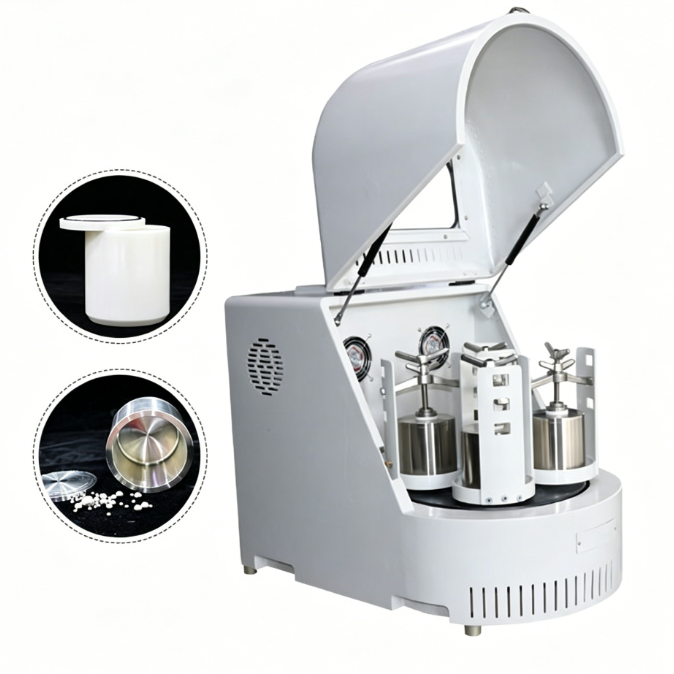
10 L Lateral Planetary Ball Mill SPBM-10A ATOMFAIR®
Price range: $4,740.00 through $17,140.00 -
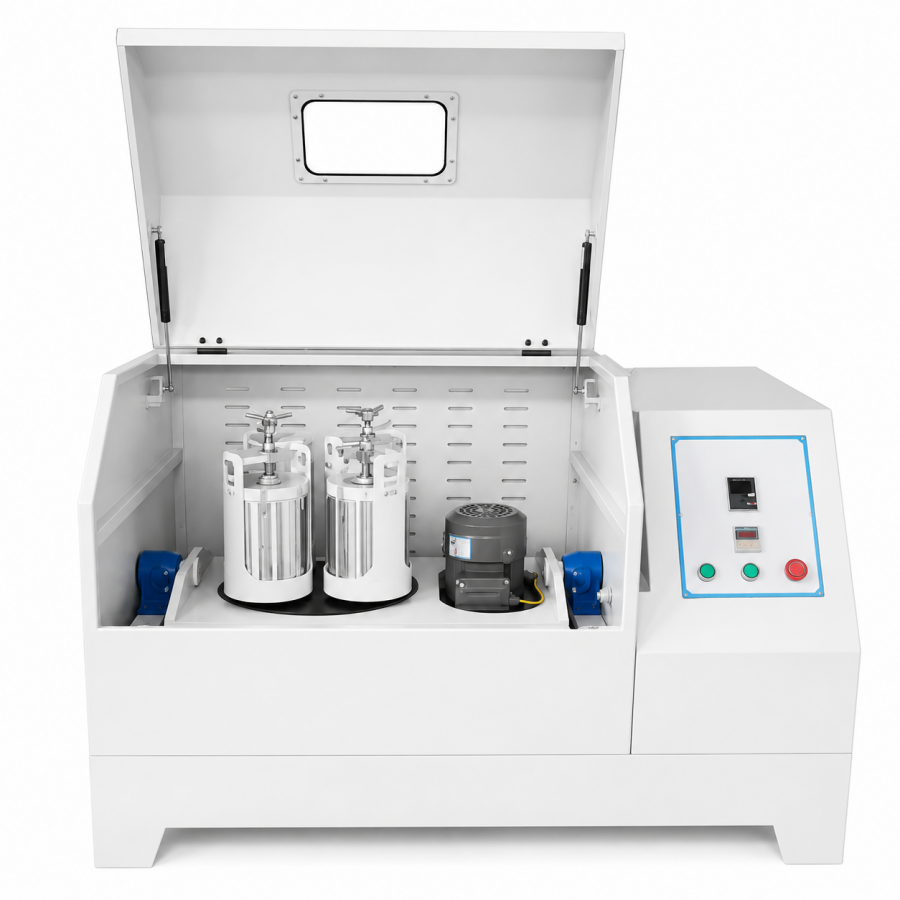
360° Planetary Ball Mill OPBM-(2-6) 0.75kW ATOMFAIR®
Price range: $5,308.00 through $12,948.00 -
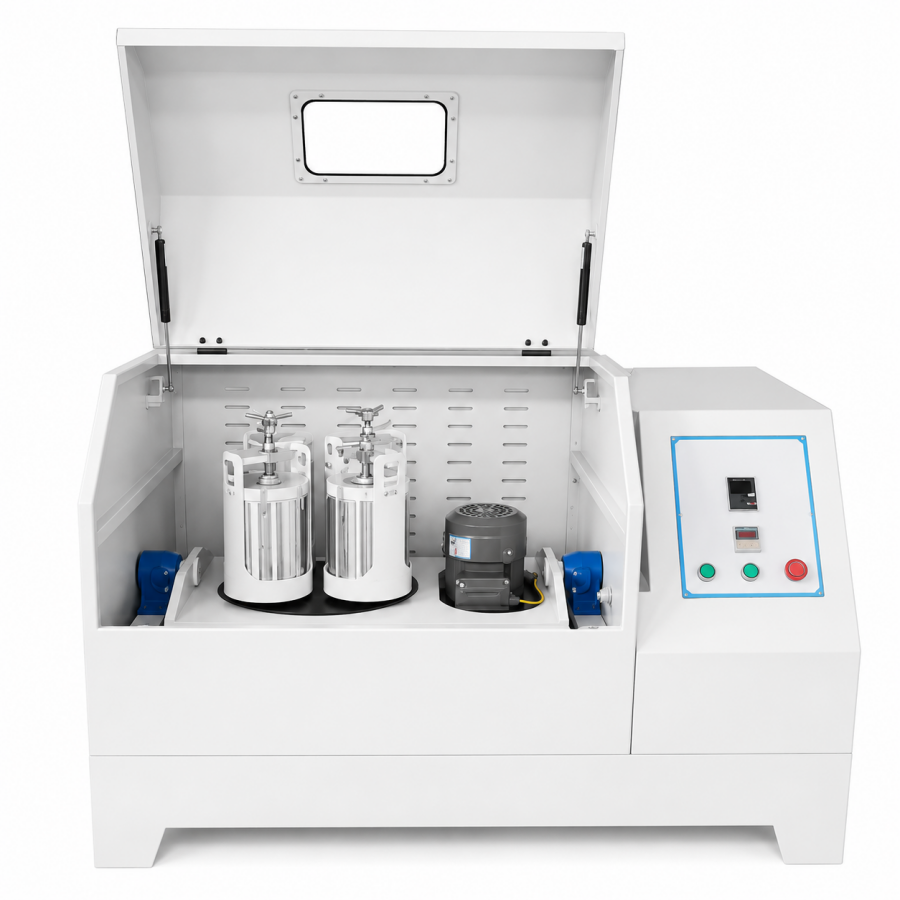
360° Planetary Ball Mill OPBM-(8-12) 1.5kW ATOMFAIR®
Price range: $7,264.00 through $21,552.00 -
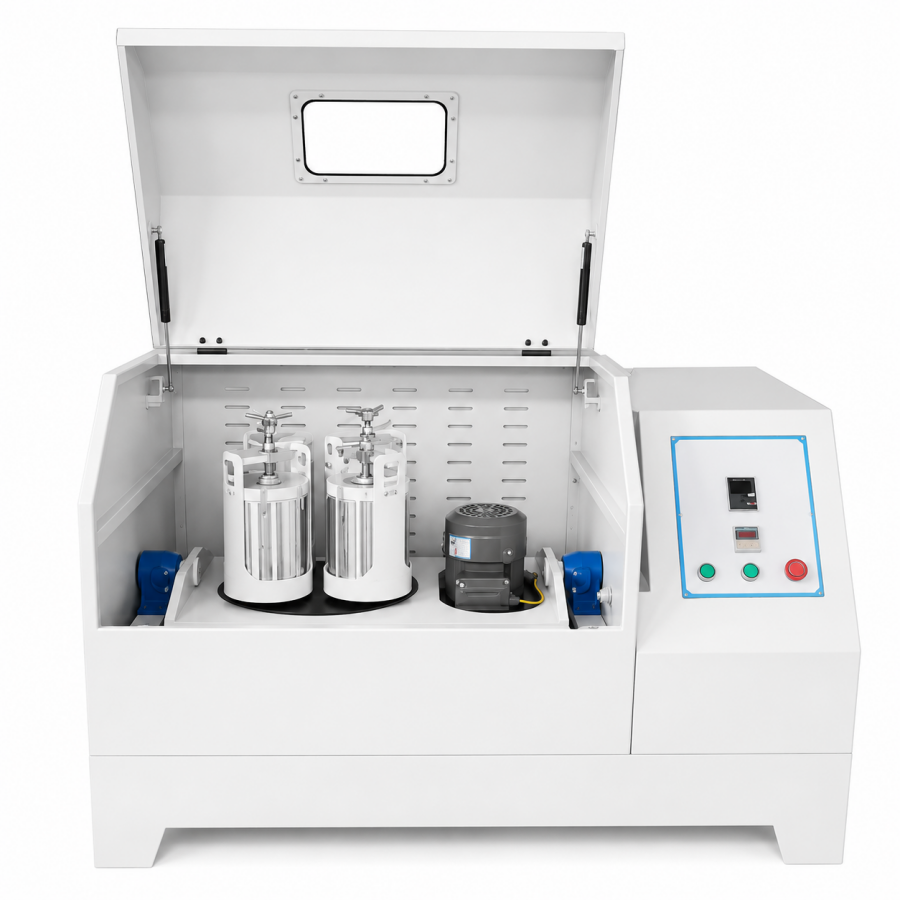
360° Planetary Ball Mill OPBM-0.4 0.4L 250W ATOMFAIR®
Price range: $3,547.00 through $4,771.00 -
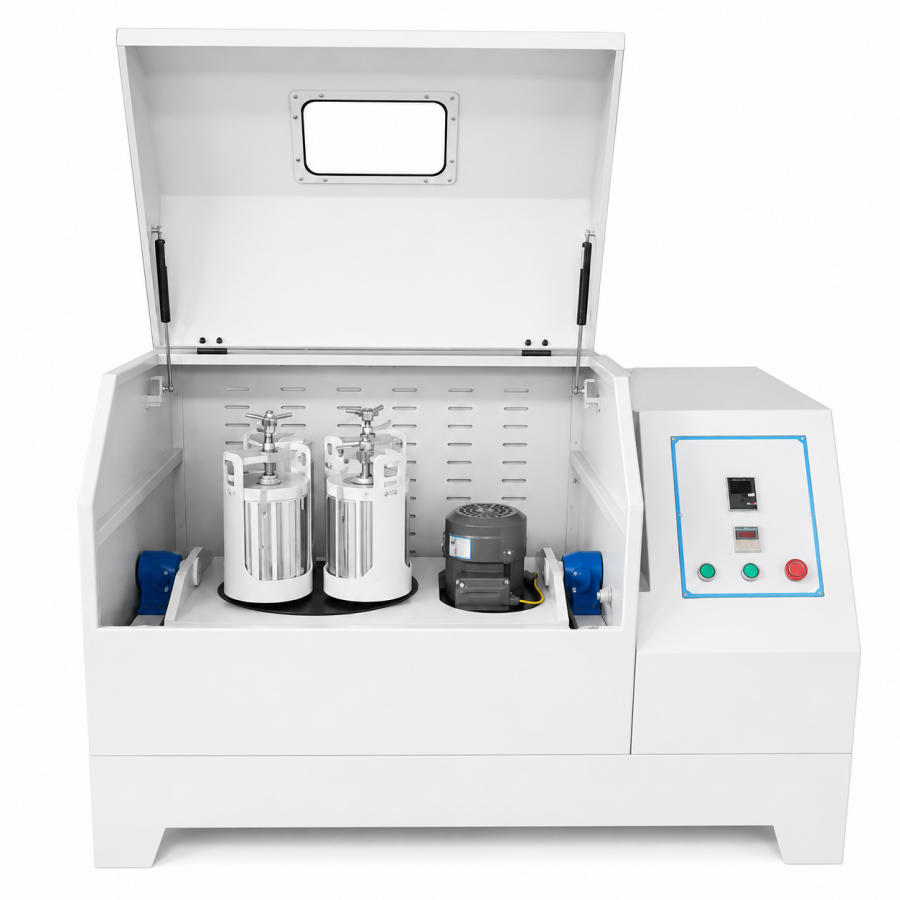
360° Planetary Ball Mill OPBM-20 20L 4kW Lab ATOMFAIR®
Price range: $14,255.00 through $38,015.00 -
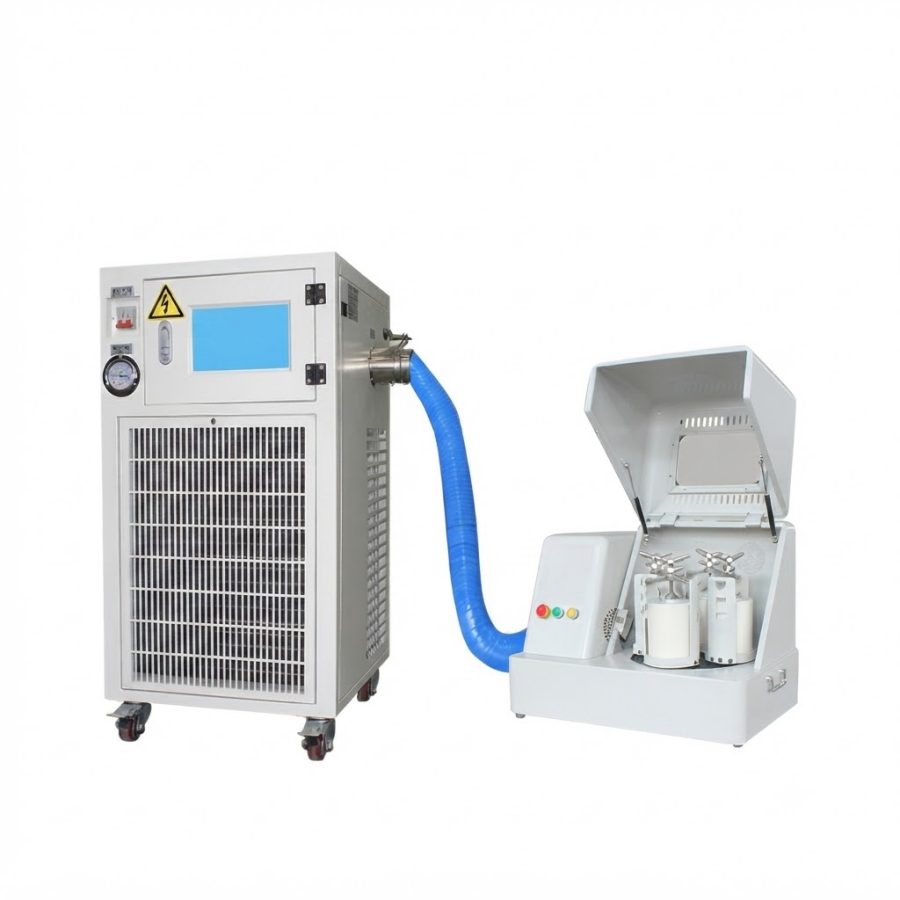
CPM-20 Cryogenic Planetary Ball Mill 20 L ATOMFAIR®
Price range: $14,018.00 through $37,778.00 -
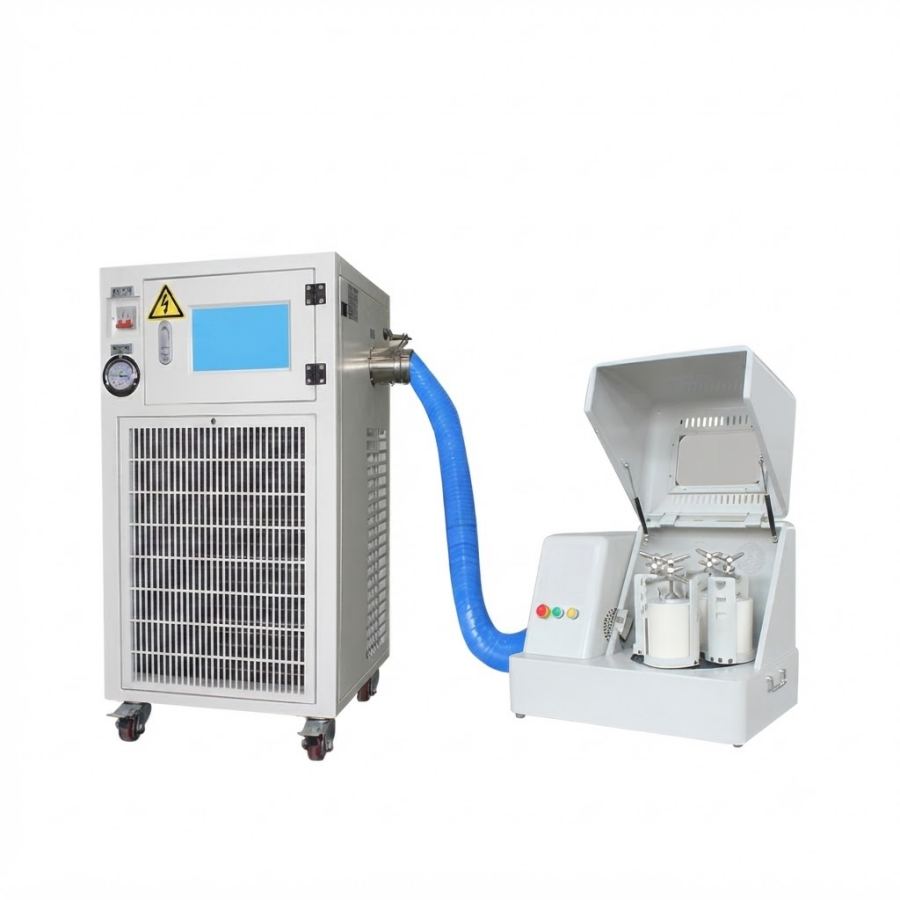
Cryogenic Planetary Ball Mill CPM-(8-12) 12 L ATOMFAIR®
Price range: $5,198.00 through $19,486.00 -
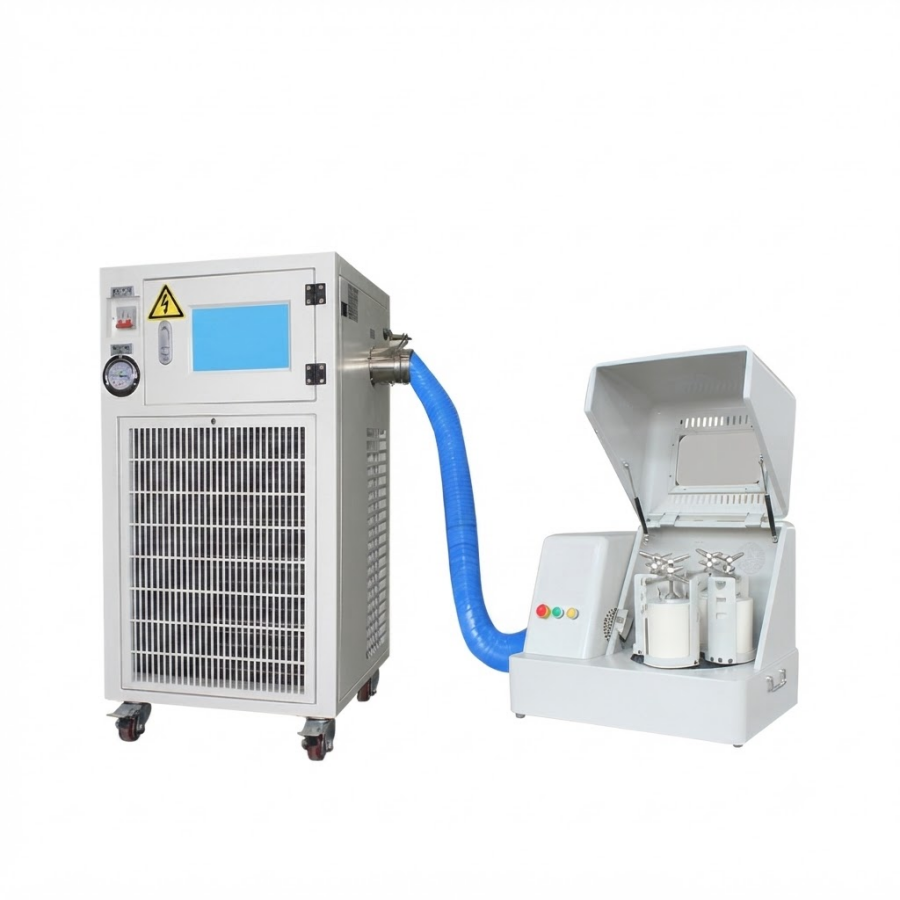
Cryogenic Planetary Ball Mill CPM-0.2 0.2 L ATOMFAIR®
Price range: $1,596.00 through $2,532.00 -
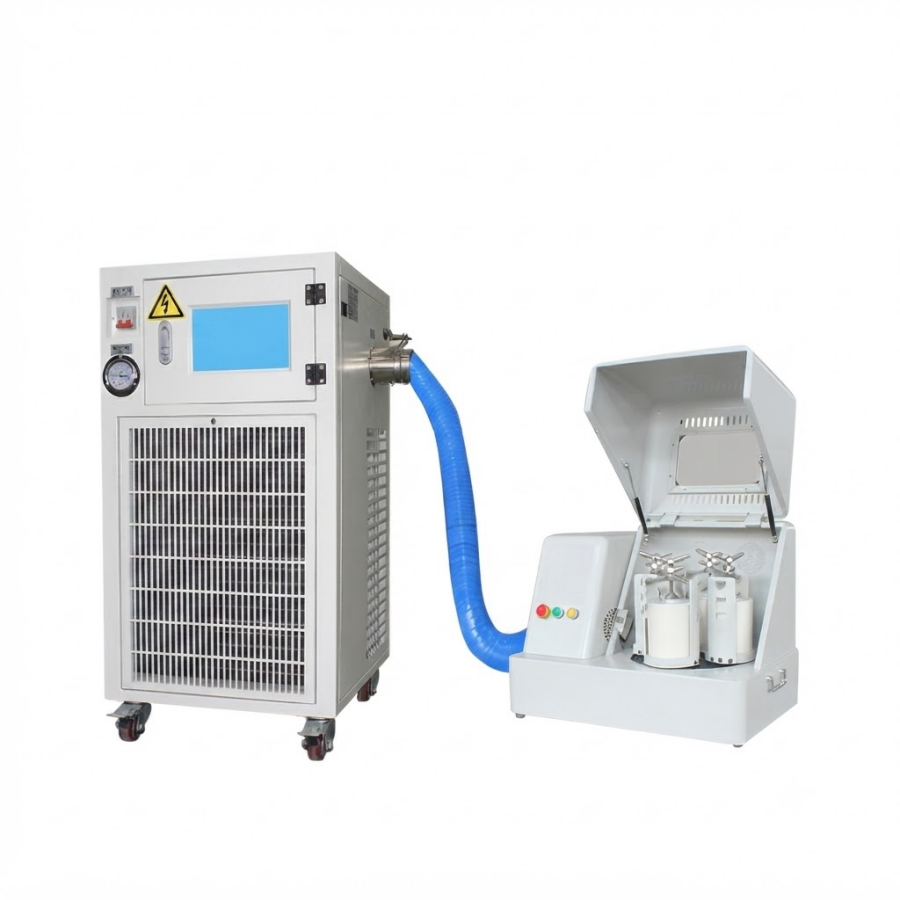
Cryogenic Planetary Ball Mill CPM-0.2S 0.2 L ATOMFAIR®
Price range: $1,612.00 through $2,548.00 -
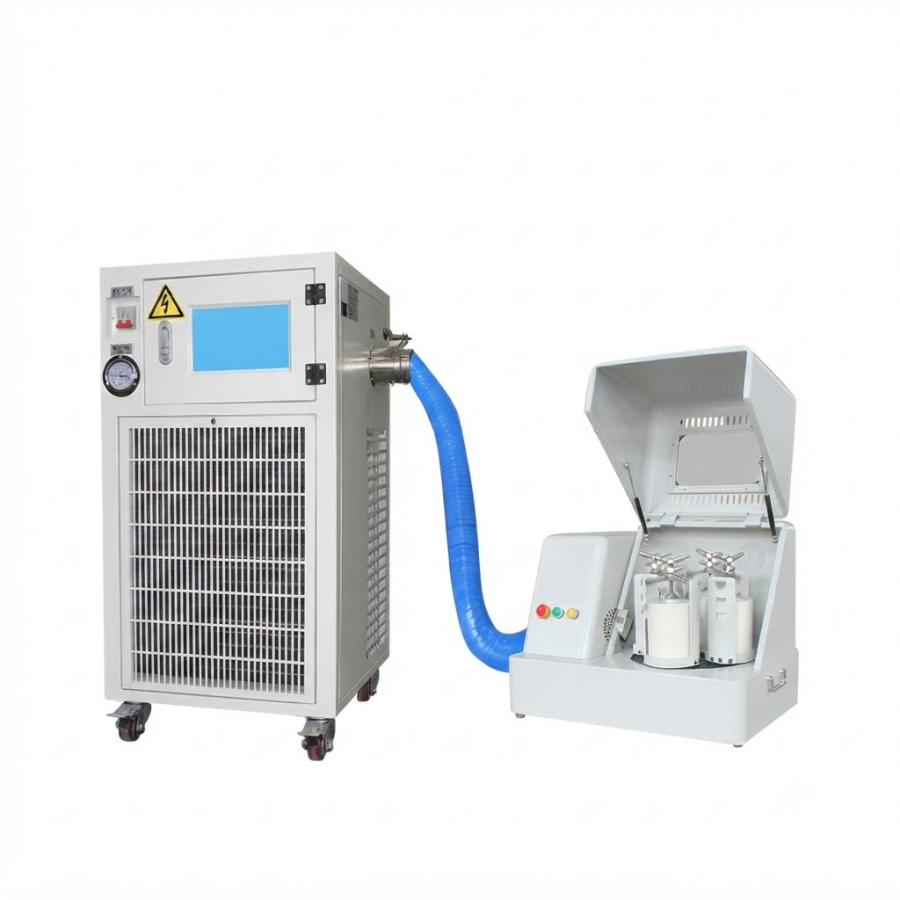
Cryogenic Planetary Ball Mill CPM-0.4A 0.4 L ATOMFAIR®
Price range: $2,270.00 through $3,494.00
- Fundamentals of inorganic solid-state electrolytes for batteries
DOI: 10.1038/s41563-019-0431-3
High-authority review covering ionic conductivity, electrochemical stability, mechanical properties, and processing-sensitive features of inorganic solid electrolytes. - Lithium battery chemistries enabled by solid-state electrolytes
DOI: 10.1038/natrevmats.2016.103
Supports the page’s claims about the importance of solid electrolytes for safer, higher-energy lithium battery chemistries and the material-performance requirements for ASSBs. - A solid future for battery development
DOI: 10.1038/nenergy.2016.141
Authoritative overview of all-solid-state battery opportunities and challenges, including solid electrolyte requirements, interfaces, and materials development context.