
Introduction
Heavy metal analysis in soil is a core technique in environmental monitoring, agricultural testing, and geological exploration. The quality of sample pretreatment directly determines the accuracy and reliability of subsequent analytical results. Traditional soil pretreatment methods face significant challenges: simple crushing often fails to disrupt soil aggregates, leading to incomplete release of heavy metals and biased results; auxiliary methods like microwave digestion or acid dissolution are cumbersome, time-consuming, and prone to reagent contamination; multi-step manual operations are inefficient and risk sample loss and cross-contamination, hindering analytical precision and scalability.
High-energy vibratory ball mills address these issues through a high-frequency mechanical crushing principle. This method enables efficient soil disintegration and homogenization without complex chemical assistance, while preserving heavy metal stability. The use of disposable grinding containers eliminates cross-contamination, offering an efficient and reliable pretreatment solution.
Technical Requirements and Procedure
To mitigate core pretreatment challenges—such as cross-contamination from manual handling, introduction of exogenous impurities, and low sample homogeneity leading to data variability—a standardized protocol using high-energy vibratory ball mills has been developed.
Representative soil samples are first prepared by removing stones and plant residues, quartering to an appropriate amount, drying at 60°C for 4 hours, and pre-crushing to below 2 mm. The pre-treated soil (5g) is then placed into a 50mL disposable plastic centrifuge tube with zirconium oxide balls. Dry grinding is employed to suit subsequent heavy metal detection needs, and disposable containers prevent cross-contamination.
The high-frequency vibration of the mill drives the zirconia balls to impart intense impact, compression, and shear forces onto the soil sample. This action thoroughly breaks down soil aggregates and refines soil particles into a homogeneous powder. The final product should exhibit no visible clumps, uniform particle size, and ensure efficient subsequent digestion, extraction, and analysis. Vibration frequency and time are controlled during the process. Zirconia media is selected for its high chemical inertness, hardness (HRC ≥85), and absence of heavy metal leaching, making it suitable for environmental samples and preventing contamination.
Key Operational Parameters
- Sample Preparation: 5g of pre-treated soil per 50mL tube.
- Grinding Media: 15 zirconia balls, 10mm diameter.
- Grinding Parameters: Vibration frequency of 2000 rpm; total time of 8 minutes in intermittent mode (2 minutes grinding, 15 seconds pause, repeated 4 times) to prevent localized overheating and agglomeration.
- Quality Standard: Resultant powder should be uniform and fine, with a passing rate ≥98% through a 200-mesh sieve, ensuring full exposure of heavy metals for accurate analysis.
Performance Evaluation
Under controlled conditions (2000 rpm, 8 min intermittent grinding, dry method, sample temperature ≤30°C), the method demonstrates high efficacy. Processed samples are uniform fine powders with no visible aggregates. Analysis shows a sieve passing rate of 98.7%, an average particle size of 38μm, excellent powder dispersion, and no detectable metal impurity contamination. Heavy metal species remain stable, meeting technical standards for soil sample pretreatment.
Technical Advantages
- Batch Processing: A 4-position holder design allows simultaneous processing of four 5g samples, significantly reducing time compared to traditional methods.
- Stability and Contamination Control: Intermittent mode prevents caking; disposable containers ensure zero cross-contamination, eliminating cleaning needs and reducing manual error. The system includes precise frequency control and safety protections.
- Versatility: The dry grinding method is adaptable to various soil types (clay, sand, loam) and other solid samples like sediments and slag.
- Efficiency: Using 10mm zirconia balls at 2000 rpm for 8 minutes efficiently disrupts soil aggregates, yielding homogeneous particles that ensure subsequent analytical data accuracy.
Related Products
-
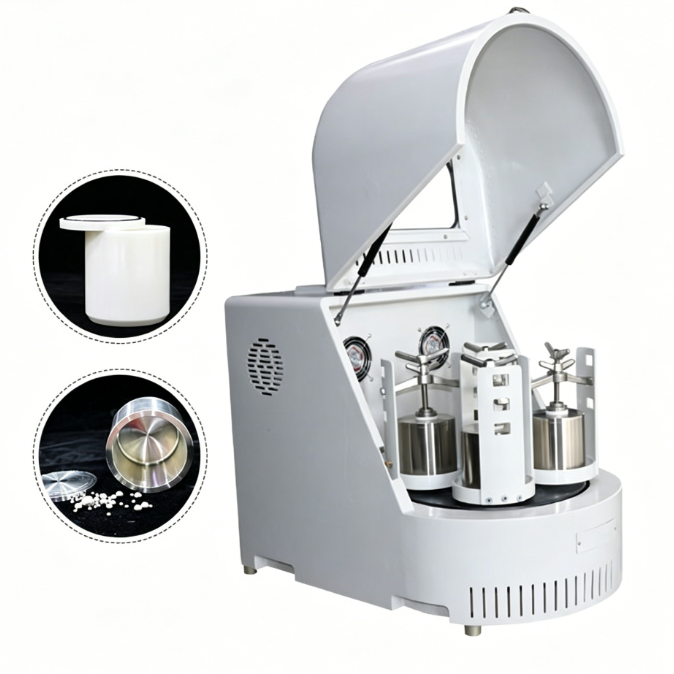
10 L Lateral Planetary Ball Mill SPBM-10A ATOMFAIR®
Price range: $4,740.00 through $17,140.00 -
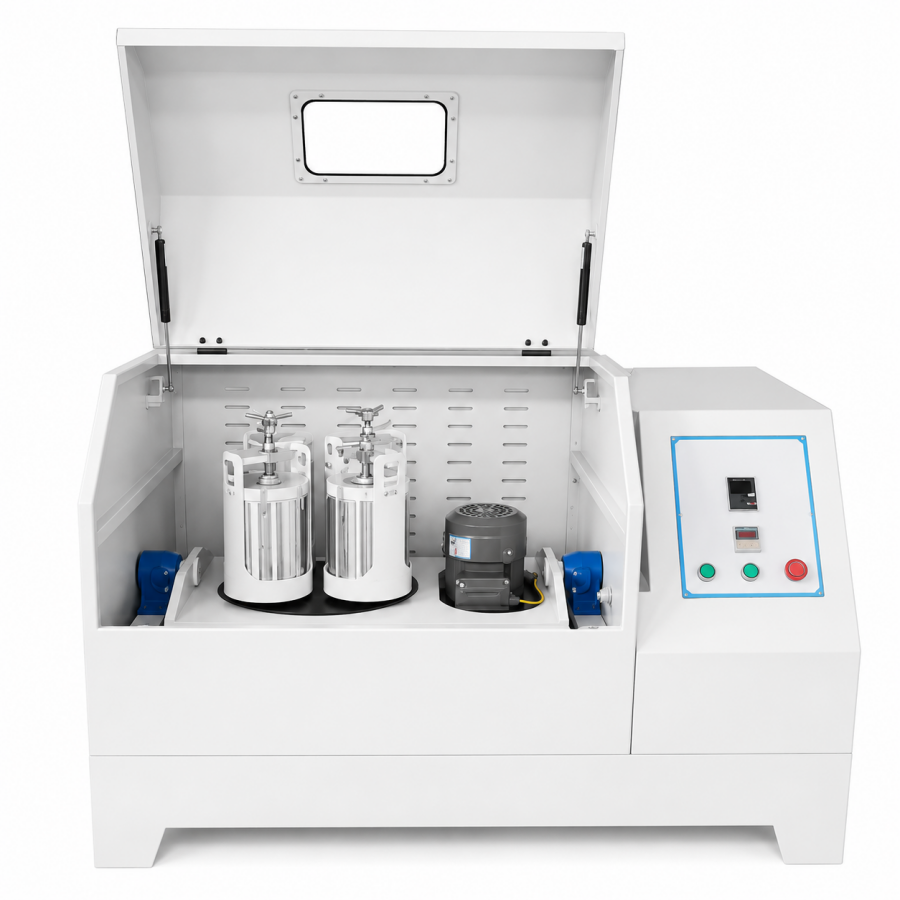
360° Planetary Ball Mill OPBM-(8-12) 1.5kW ATOMFAIR®
Price range: $7,264.00 through $21,552.00 -
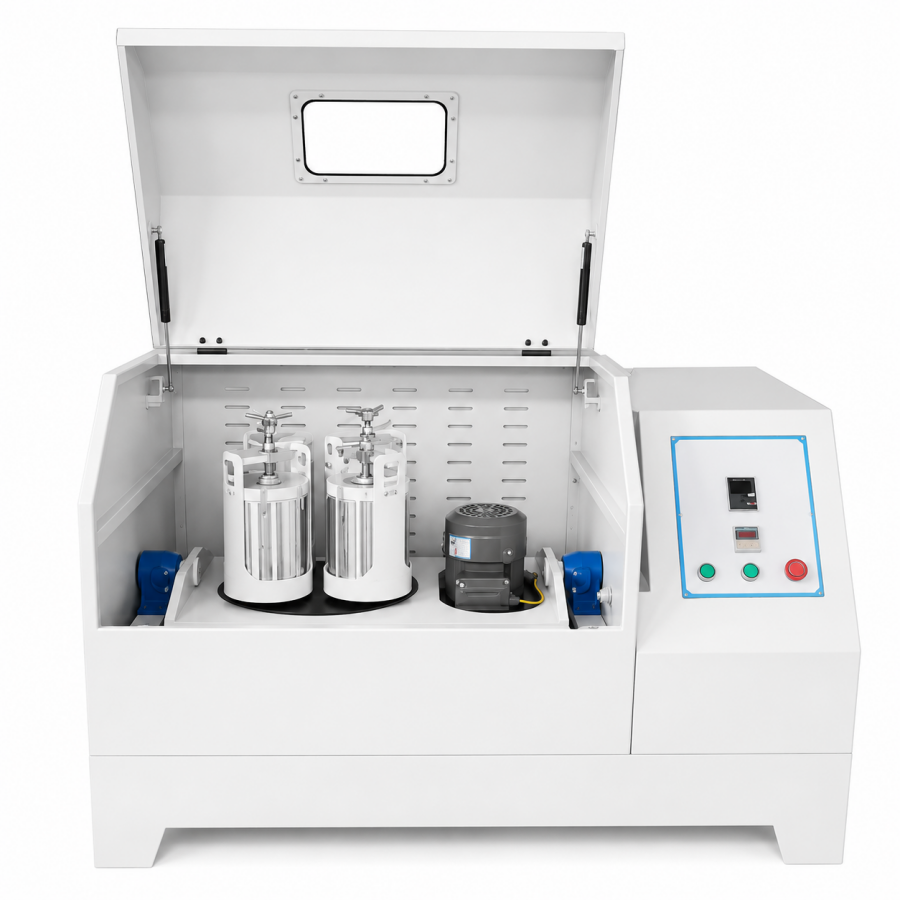
360° Planetary Ball Mill OPBM-0.4 0.4L 250W ATOMFAIR®
Price range: $3,547.00 through $4,771.00 -
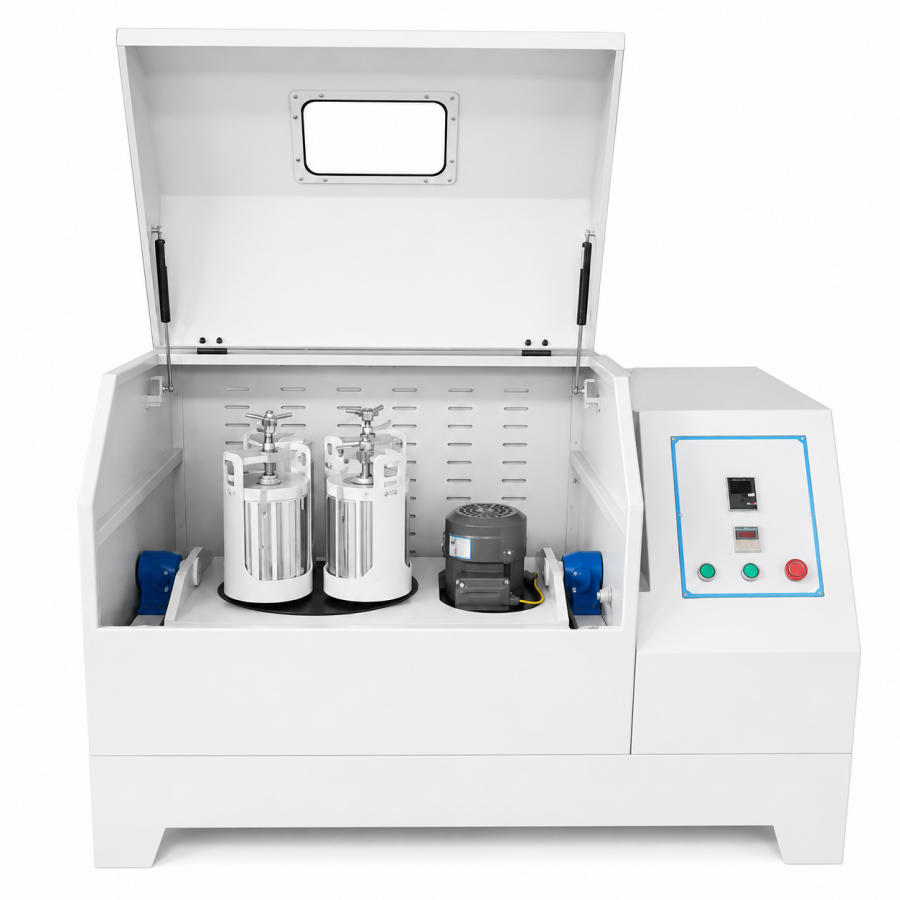
360° Planetary Ball Mill OPBM-20 20L 4kW Lab ATOMFAIR®
Price range: $14,255.00 through $38,015.00 -
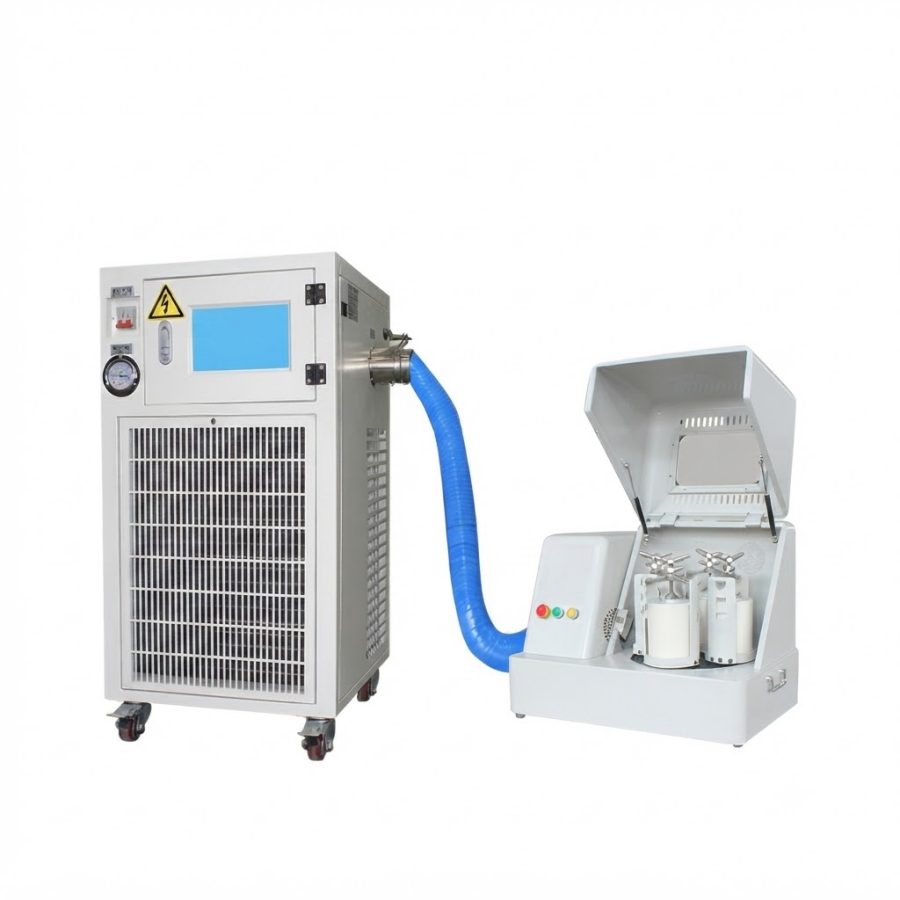
CPM-20 Cryogenic Planetary Ball Mill 20 L ATOMFAIR®
Price range: $14,018.00 through $37,778.00 -
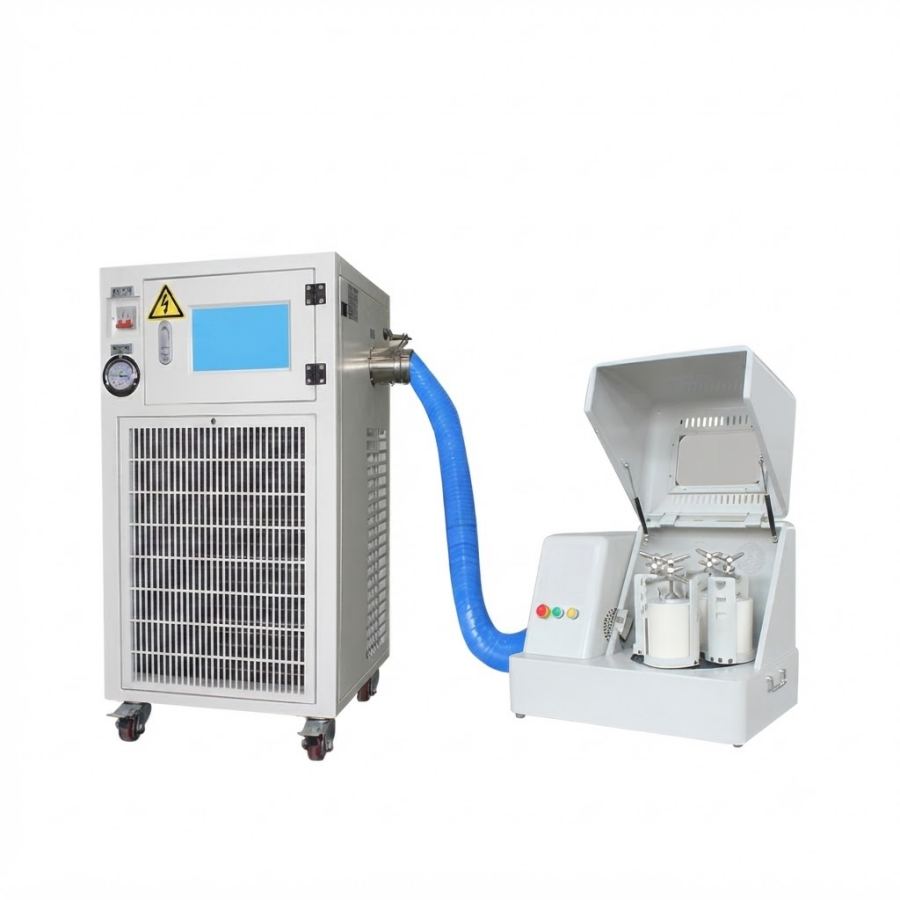
Cryogenic Planetary Ball Mill CPM-(8-12) 12 L ATOMFAIR®
Price range: $5,198.00 through $19,486.00 -
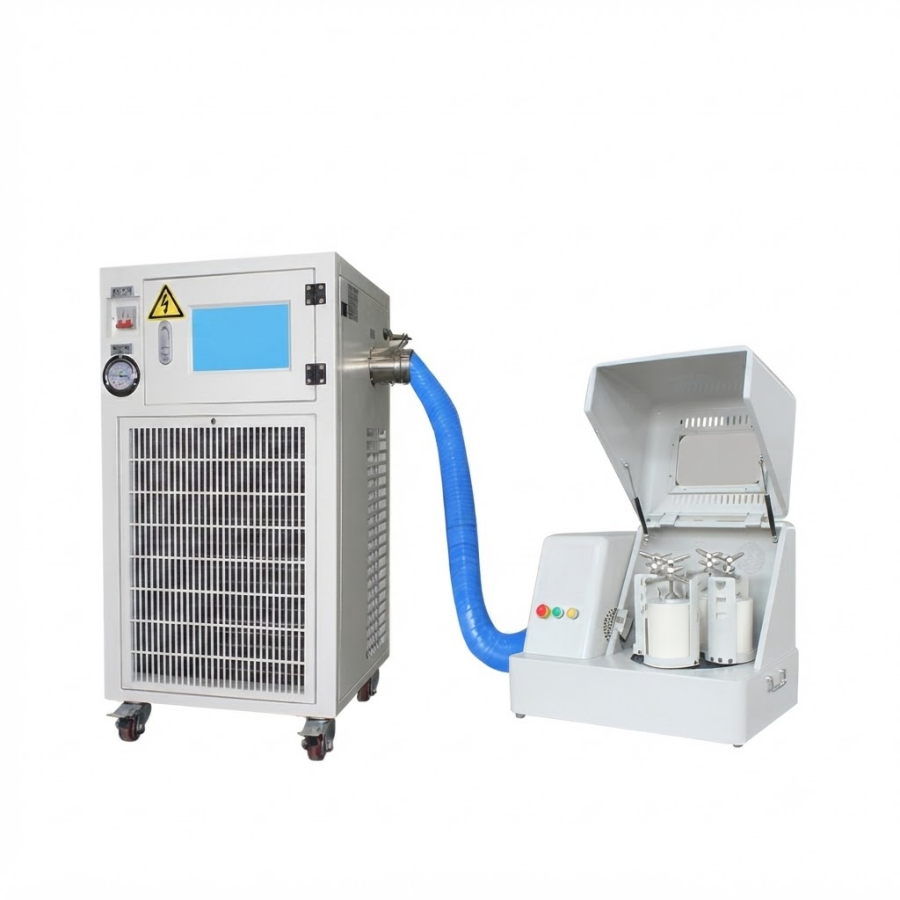
Cryogenic Planetary Ball Mill CPM-(8-12)A ATOMFAIR®
Price range: $9,728.00 through $24,016.00 -
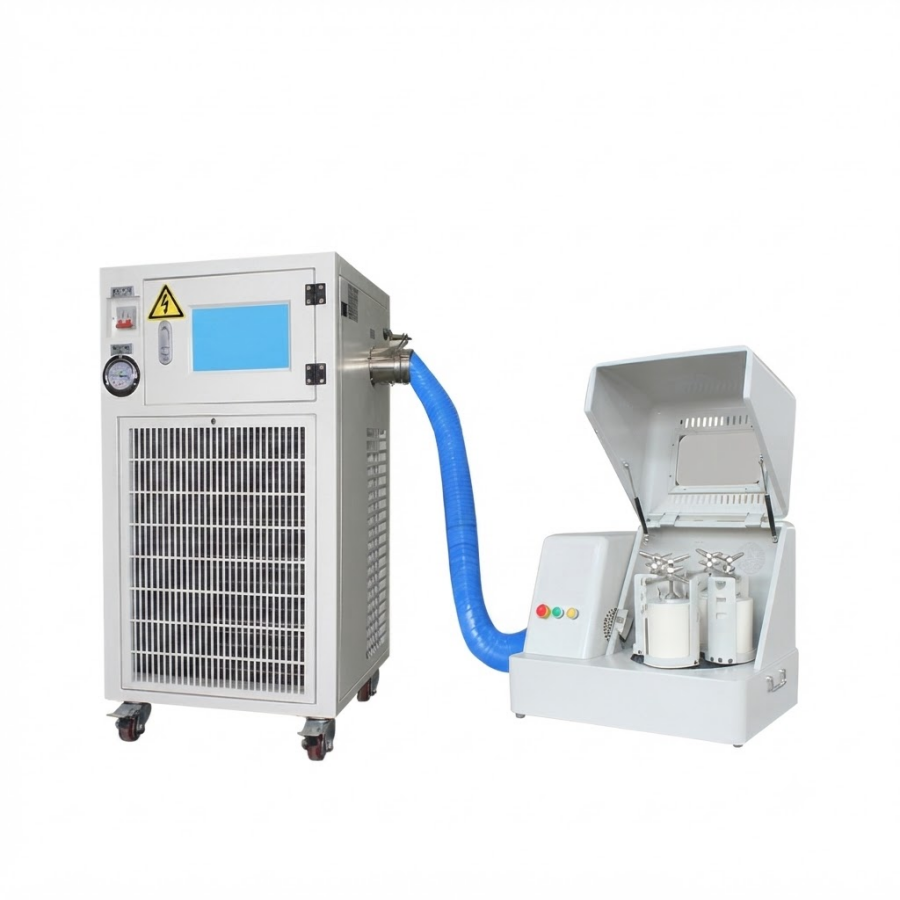
Cryogenic Planetary Ball Mill CPM-0.2 0.2 L ATOMFAIR®
Price range: $1,596.00 through $2,532.00 -
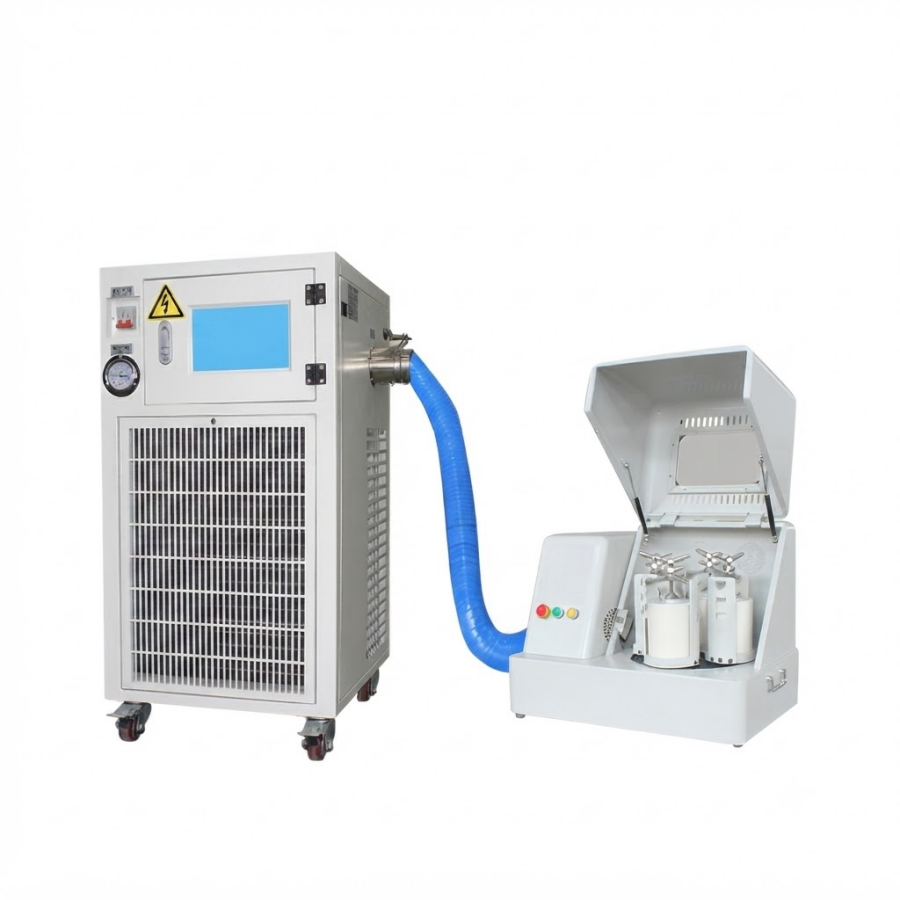
Cryogenic Planetary Ball Mill CPM-0.2S 0.2 L ATOMFAIR®
Price range: $1,612.00 through $2,548.00 -
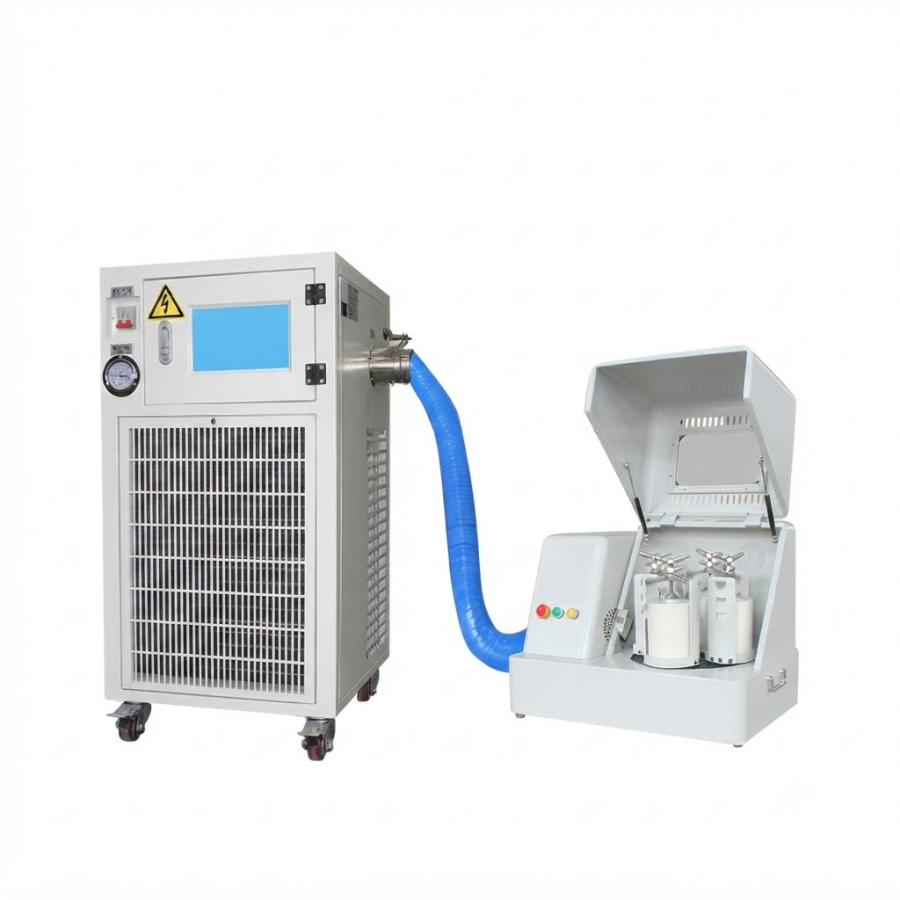
Cryogenic Planetary Ball Mill CPM-0.4A 0.4 L ATOMFAIR®
Price range: $2,270.00 through $3,494.00
- Heavy metals in agricultural soils of the European Union with implications for food safety
DOI: 10.1016/j.envint.2015.12.017
Supports the importance of reliable soil heavy metal monitoring and analytical quality for agricultural and environmental soil testing. - Hallmarks of mechanochemistry: from nanoparticles to technology
DOI: 10.1039/c3cs35468g
Reviews high-energy mechanochemical milling principles, including impact, shear, particle-size reduction, and process effects relevant to vibratory and planetary ball milling. - Mechanochemistry: opportunities for new and cleaner synthesis
DOI: 10.1039/c1cs15171a
Broad authoritative review of ball-milling and mechanochemical processing, supporting the technical basis for dry high-energy milling as a contamination-minimizing preparation approach.