
Introduction
Sample preparation is a critical phase in analyzing fish tissues for drug residues, heavy metals, and nutritional components within aquaculture, aquatic research, and quality control (QC) laboratories. The quality of sample pretreatment directly determines the accuracy and reliability of downstream analytical results. Traditional methods present significant challenges: conventional homogenization often fails to completely disrupt cellular structures, leading to the incomplete release of target analytes and potential detection bias. Auxiliary techniques, such as enzymatic digestion or ultrasonic disruption, are not only cumbersome and time-consuming but may also degrade active components or introduce interferences. Furthermore, multi-step manual operations are inefficient and prone to sample loss and cross-contamination, severely limiting analytical precision and high-throughput scalability.
High-energy vibration ball mills provide a robust solution through a high-frequency mechanical disruption principle. This method enables efficient tissue comminution and homogenization without the need for complex chemical aids, thereby maximizing the stability of target analytes. The use of single-use or sterilizable grinding containers effectively eliminates cross-contamination, enhancing the reliability of fish sample pretreatment.
Technical Requirements
To address the core challenges in fish sample preparation—specifically cross-contamination from manual handling, the introduction of exogenous impurities, and low homogenization efficiency leading to data variability—a standardized protocol is recommended. Fish samples undergo initial pretreatment, followed by cryogenic freezing with liquid nitrogen, and are then placed into zirconia (zirconium oxide) grinding jars (e.g., 2×50 mL capacity) with zirconia grinding balls. Zirconia is characterized by high chemical inertness, meeting the stringent cleanliness requirements of aquatic testing. Both dry and wet grinding methods are applicable, though dry grinding is more prevalent in aquatic analysis.
The high-frequency vibration induces intense impact, compression, and shear forces, thoroughly disrupting fish tissue cells to produce a uniform homogenate or fine powder. The resulting sample must be free of visible tissue fragments and exhibit a uniform texture to ensure successful extraction and purification. Process parameters, such as vibration frequency and duration, must be strictly controlled to leverage zirconia’s high hardness and zero-impurity release, preventing contamination and ensuring reproducible results.
Key Technical Points
Working Principle
High-energy vibration ball mills utilize high-frequency oscillations to generate powerful impact forces (reaching tens of g-forces). These forces drive the zirconia media to impact, compress, and shear cryogenically embrittled fish samples, rapidly disrupting cellular and fibrous structures. Zirconia components offer exceptional hardness (HRC ≥85) and chemical stability, preventing metallic contamination. The jars are autoclavable and accommodate medium-throughput processing for both dry and wet grinding applications.
Sample Pretreatment Procedure
- Sample Selection: Select representative fish samples and remove non-target components (scales, gills, viscera).
- Initial Reduction: Cut target tissue (e.g., muscle) into fragments <1 cm using sterile tools.
- Loading: Transfer 6 g of sample into a 50 mL zirconia grinding jar.
- Cryo-embrittlement: Submerge the jar in liquid nitrogen for 3 minutes to embrittle the tissue and preserve analyte stability.
- Transfer: Remove the jar promptly for immediate grinding.
Grinding Parameters
- Media Charge: Add 20 zirconia balls (8 mm diameter) to the jar containing the frozen sample.
- Installation: Secure the lid and mount the jar onto the mill’s dual-position holder.
- Settings: Set the vibration frequency to 1900 rpm with a total grinding time of 4 minutes.
- Intermittent Mode: Utilize an intermittent cycle (1-minute grinding / 10-second pause, repeated 4 times). This mode utilizes the retained cold to prevent localized overheating and thermal degradation of analytes.
Sample Quality Standards
Post-grinding samples should form a homogeneous, fine powder or paste with no visible tissue particles, ensuring maximum surface area exposure for the accurate detection of residues, metals, and nutrients.
Experimental Data
- Instrumentation: High-energy vibration ball mill (2×50 mL positions, 0–2100 rpm range).
- Materials: 8 mm zirconia balls, 50 mL zirconia jars, liquid nitrogen.
- Sample Specification: 6 g per jar, cryo-frozen for 3 minutes.
- Process Parameters: 1900 rpm, 4-minute intermittent dry grinding; process temperature maintained at ≤30°C.
Application Scenarios
Aquaculture Drug Residue Screening
- Scenario: Batch processing of farmed fish for regulatory drug residue surveys.
- Results: Processed two samples per batch in under 4 minutes. Achieved superior homogenization, increasing target drug extraction efficiency by 40% while meeting stringent lab QC standards.
Heavy Metal Analysis in Research
- Scenario: Pretreatment for trace metal detection requiring zero exogenous contamination.
- Results: No metallic impurities detected post-grinding. Homogenate uniformity (CV) reached 2.5%. Processed 12 samples in 24 minutes with a detection repeatability error of ≤1.8%.
Commercial Nutritional Testing
- Scenario: Pretreatment of market fish for nutritional labeling and uniformity.
- Results: Average particle size reached 40 μm with a CV ≤3%. Results showed 99.6% consistency with standard reference methods.
Frequently Asked Questions
Q: Can high-moisture fresh fish tissues be processed?
A: Yes. For fresh tissues with high water content, reduce the sample load to 4 g, freeze for 3 minutes, and extend the intermittent grinding time to 5 minutes. If wall adhesion occurs, adding 1–2 extra balls after partial thawing can improve recovery without affecting detection.
Q: Are parameter adjustments needed for different tissue types?
A: Yes. Recommended settings include:
- Liver (Soft/Moist): 4 g, 1700 rpm, 4 min, 16 balls.
- Muscle (Dense): 6 g, 1900 rpm, 4 min, 20 balls.
- Skin (Tough/Fibrous): 5 g, 2100 rpm, 5 min, 22 balls.
Q: What is the maintenance and long-term cost?
A: Maintenance is minimal. Zirconia jars and media typically have a service life exceeding 3 years. They are reusable after sterilization, making the long-term cost significantly lower than disposable tubes and 50% more cost-effective than traditional homogenizers requiring repeated disassembly and cleaning.
Conclusion
High-energy vibration ball milling effectively addresses the critical bottlenecks of fish sample pretreatment: cross-contamination, impurity introduction, and low efficiency. By utilizing zirconia jars and cryo-embrittlement (1900 rpm for 4 minutes), laboratories can achieve high-quality homogenates with a CV ≤3.2% and an average particle size of 42 μm. This method ensures analyte integrity and complies with technical standards for the analysis of residues, heavy metals, and nutrients.
Key Advantages:
- High Throughput: Dual-position design and cryo-assisted comminution improve efficiency by 70% over traditional homogenization.
- Contamination Control: Intermittent grinding prevents thermal degradation, while inert zirconia components eliminate metallic interference and cross-contamination.
- Versatility: Capable of processing various tissues (muscle, liver, skin) and other aquatic species (shrimp, crab) via dry or wet grinding.
- Precision: Optimized media and frequency control ensure homogenate uniformity and superior data reproducibility.
Related Products
-
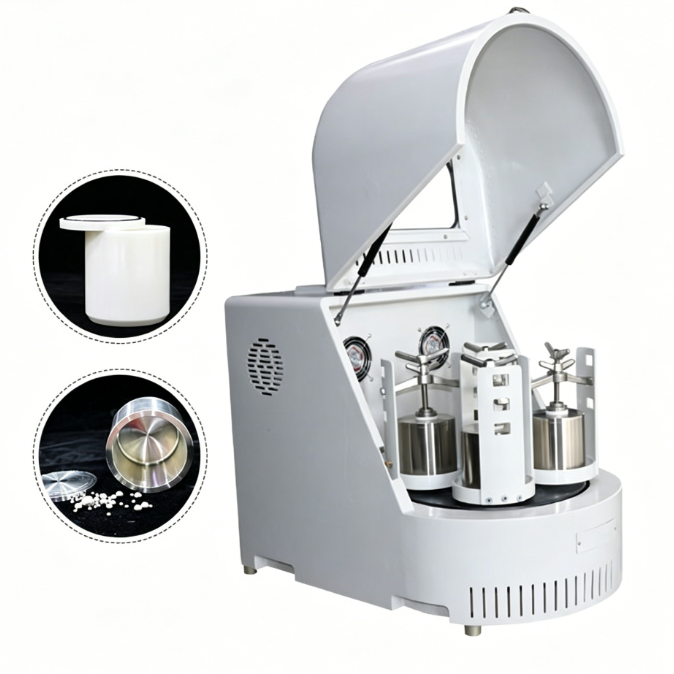
10 L Lateral Planetary Ball Mill SPBM-10A ATOMFAIR®
Price range: $4,740.00 through $17,140.00 -
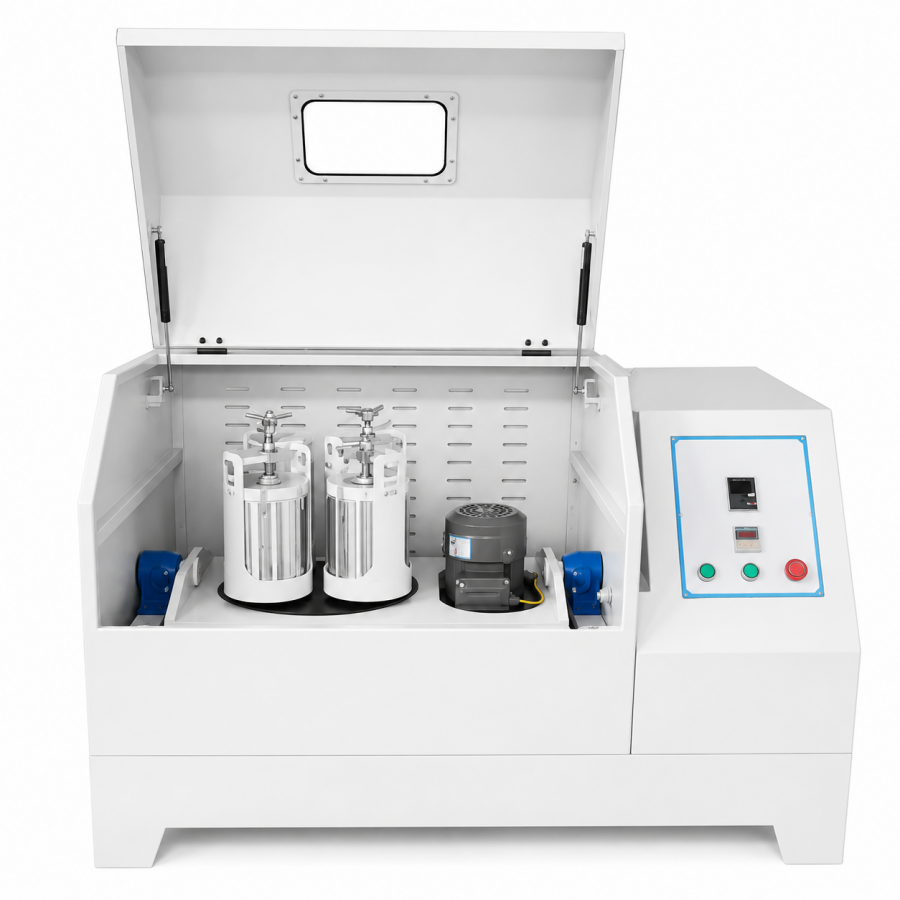
360° Planetary Ball Mill OPBM-(2-6) 0.75kW ATOMFAIR®
Price range: $5,308.00 through $12,948.00 -
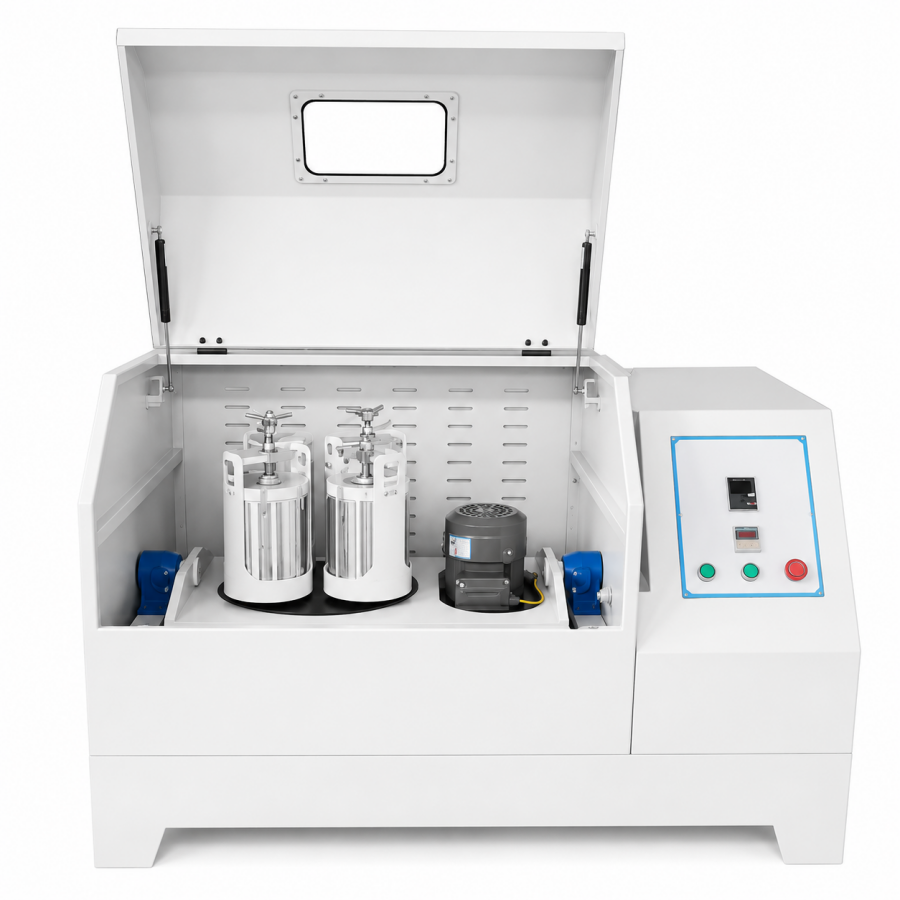
360° Planetary Ball Mill OPBM-(8-12) 1.5kW ATOMFAIR®
Price range: $7,264.00 through $21,552.00 -
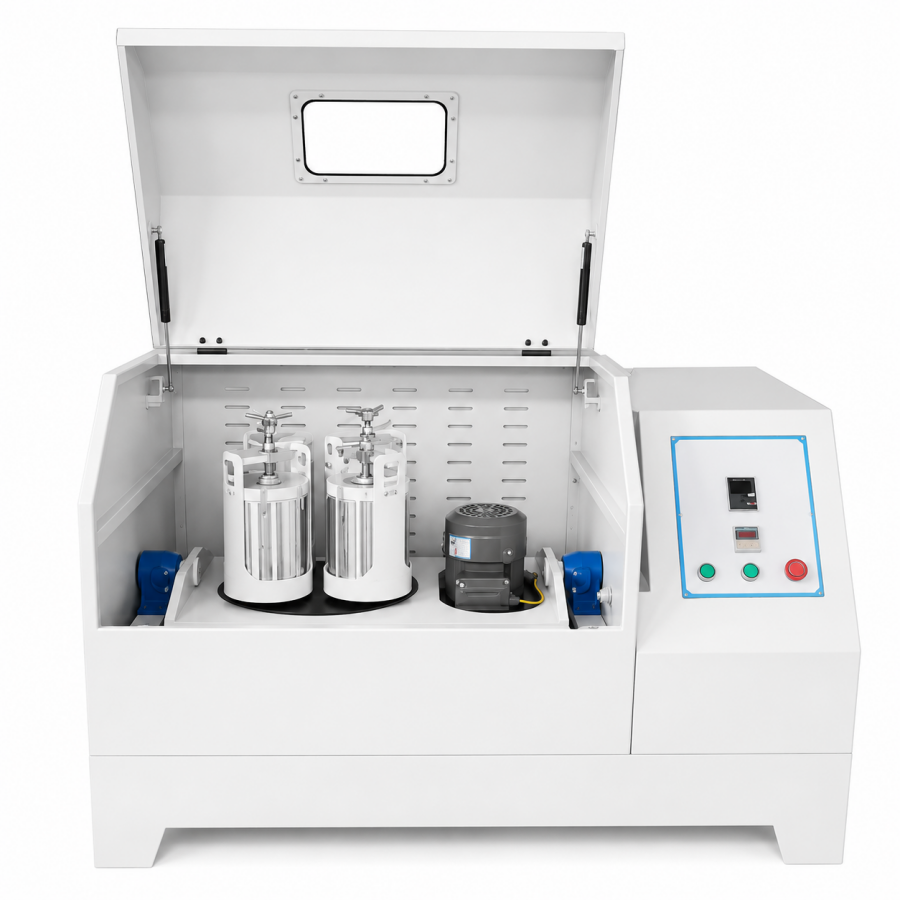
360° Planetary Ball Mill OPBM-0.4 0.4L 250W ATOMFAIR®
Price range: $3,547.00 through $4,771.00 -
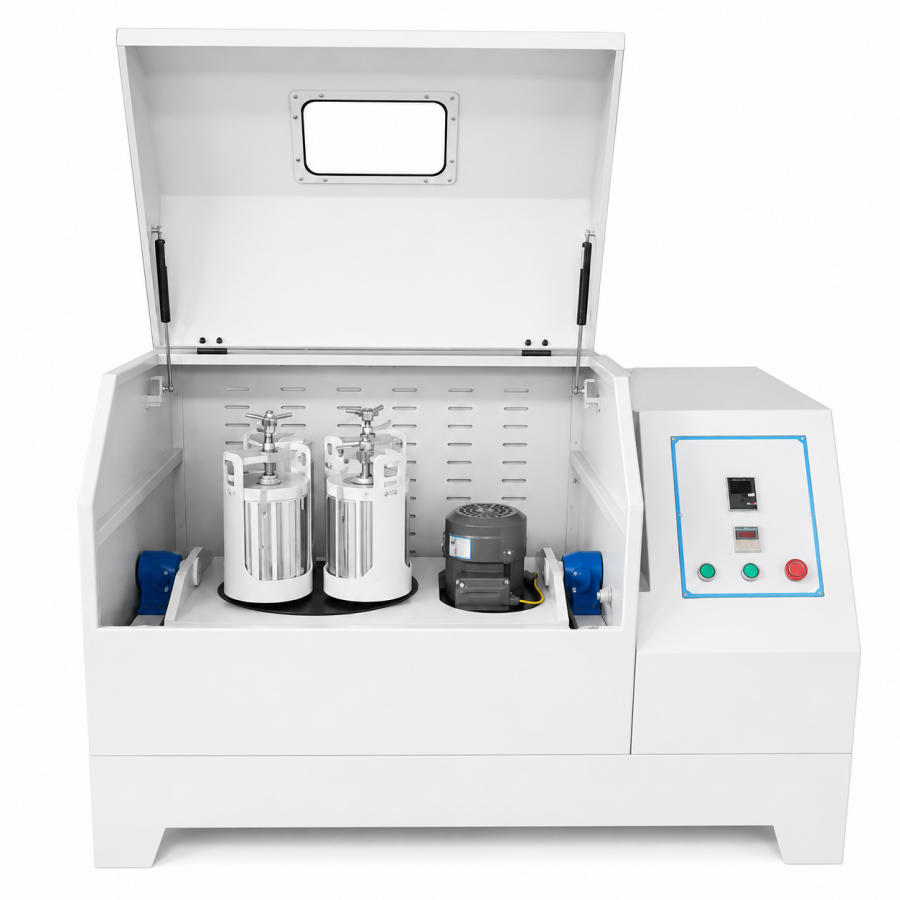
360° Planetary Ball Mill OPBM-20 20L 4kW Lab ATOMFAIR®
Price range: $14,255.00 through $38,015.00 -
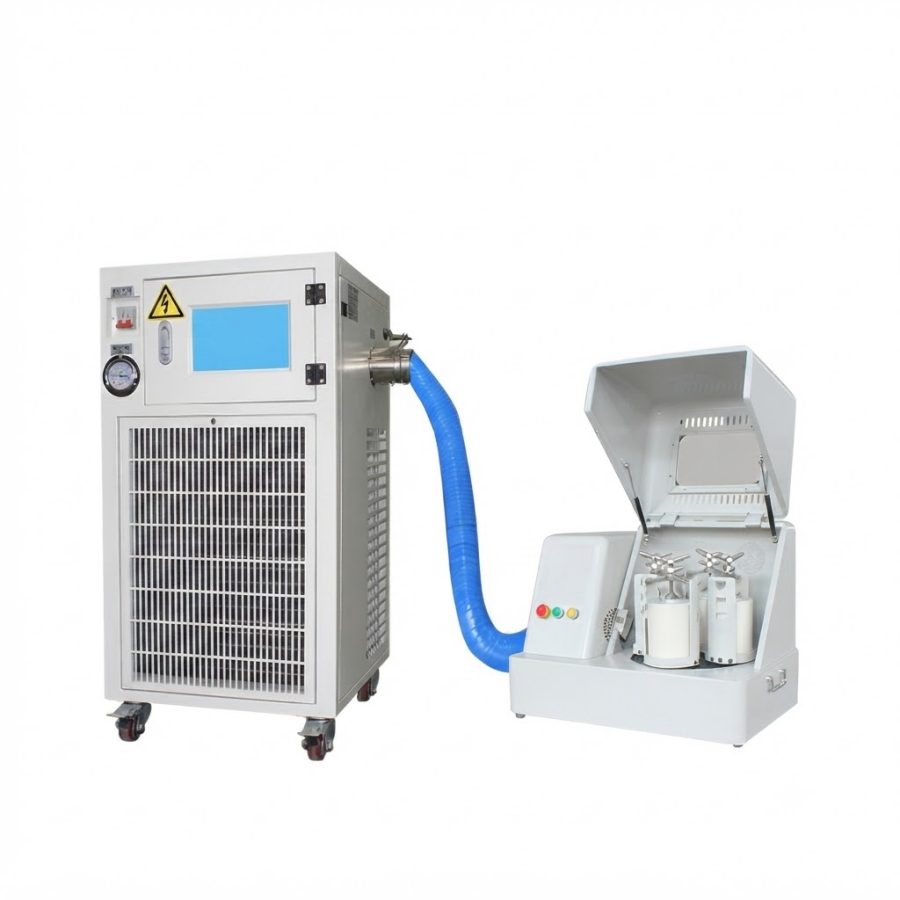
CPM-20 Cryogenic Planetary Ball Mill 20 L ATOMFAIR®
Price range: $14,018.00 through $37,778.00 -
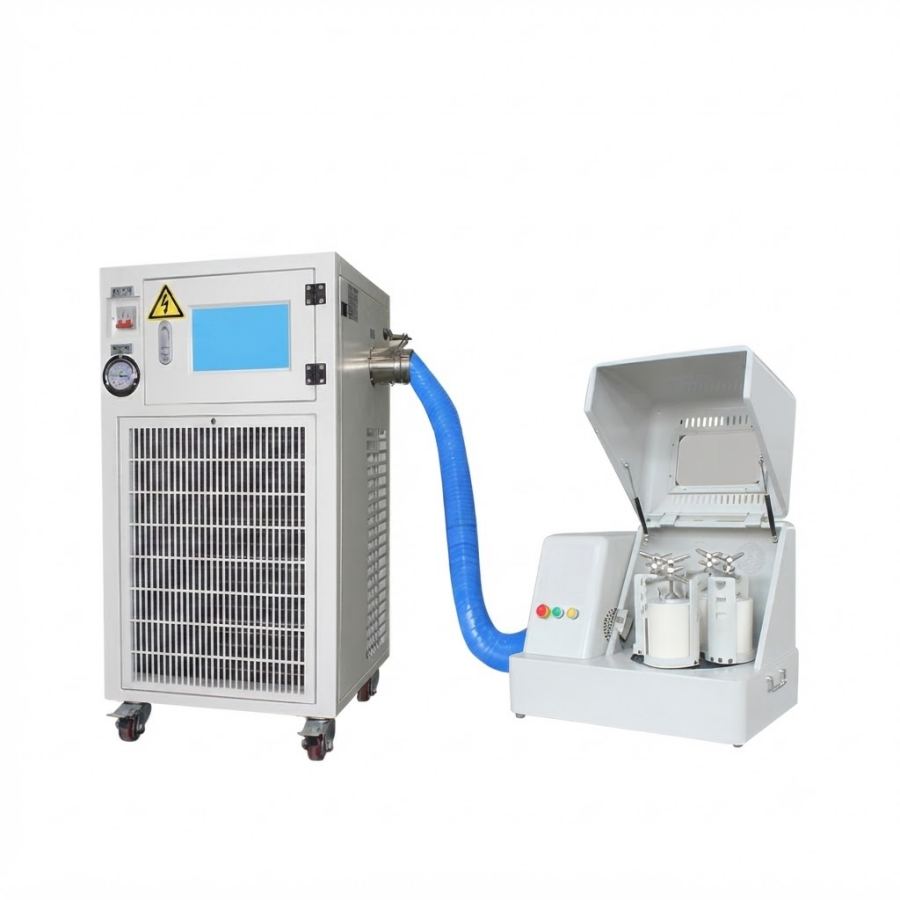
Cryogenic Planetary Ball Mill CPM-(8-12) 12 L ATOMFAIR®
Price range: $5,198.00 through $19,486.00 -
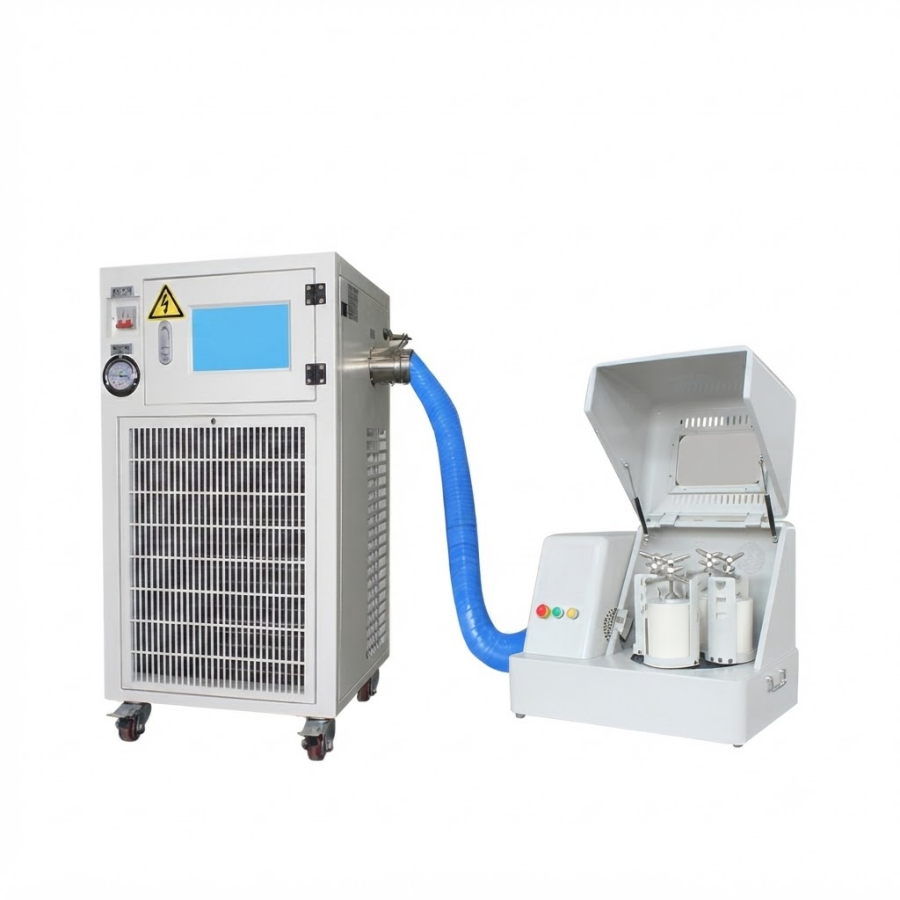
Cryogenic Planetary Ball Mill CPM-(8-12)A ATOMFAIR®
Price range: $9,728.00 through $24,016.00 -
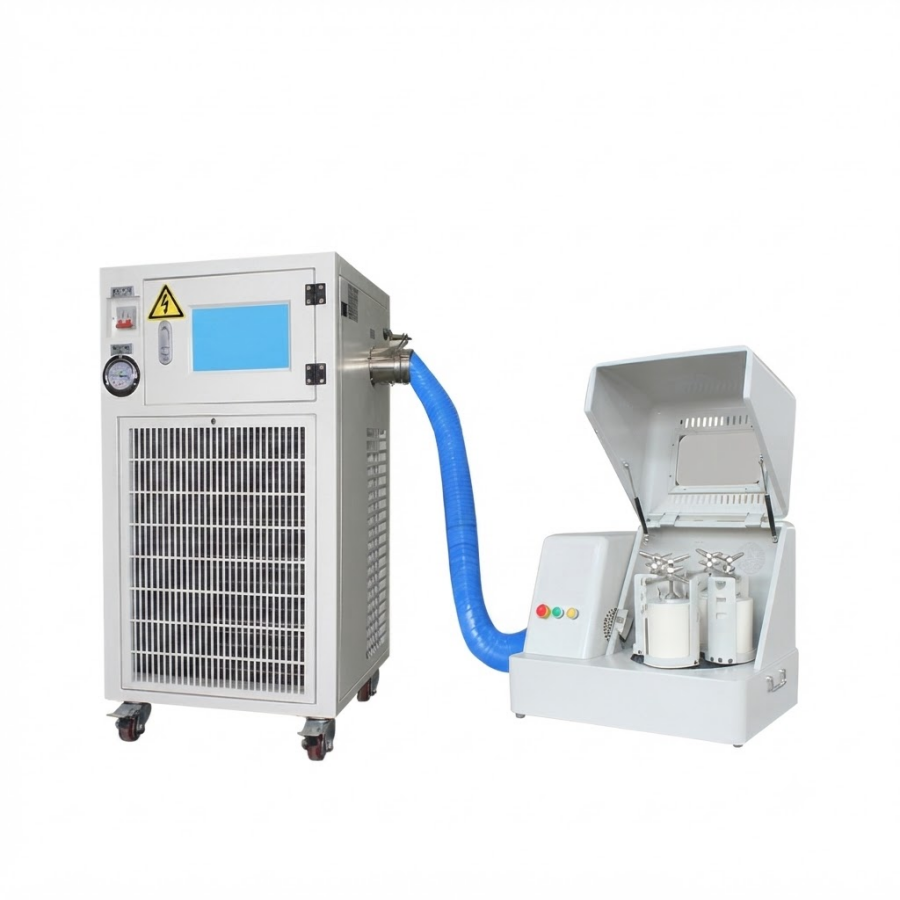
Cryogenic Planetary Ball Mill CPM-0.2 0.2 L ATOMFAIR®
Price range: $1,596.00 through $2,532.00 -
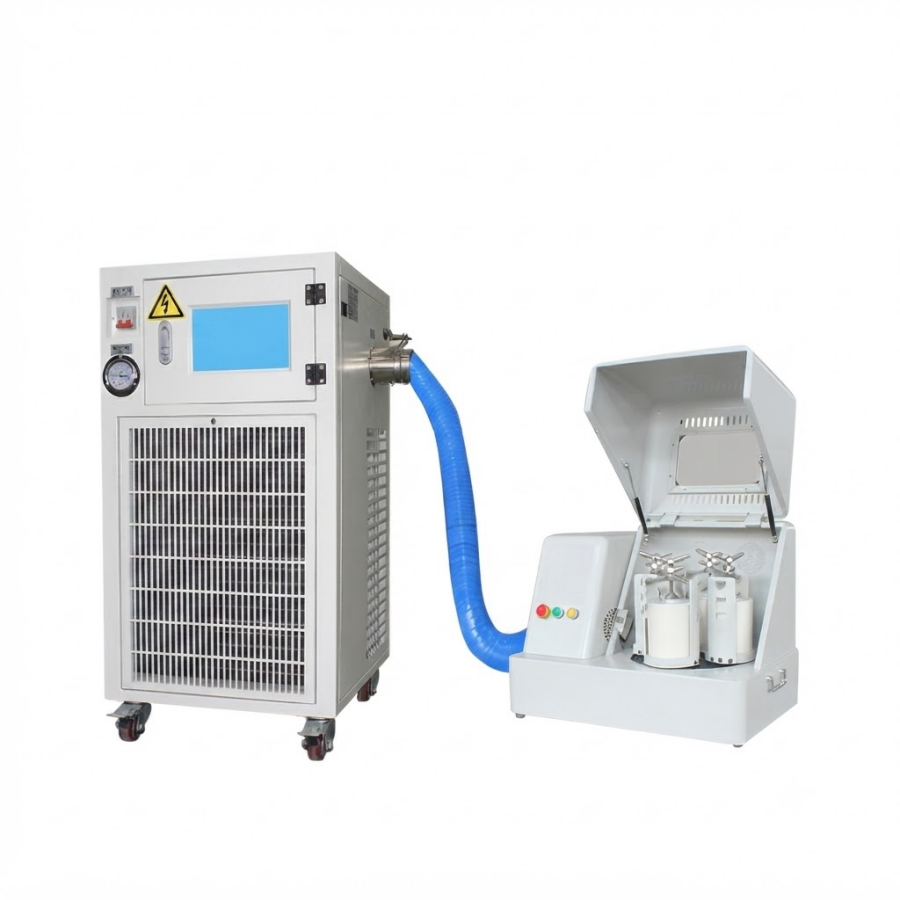
Cryogenic Planetary Ball Mill CPM-0.2S 0.2 L ATOMFAIR®
Price range: $1,612.00 through $2,548.00
- Scientific Opinion on the risk for public health related to the presence of mercury and methylmercury in food
DOI: 10.2903/j.efsa.2012.2985
Authoritative risk assessment documenting the importance of mercury and methylmercury testing in fish and seafood, supporting the page’s heavy-metal analysis application scenario. - Scientific Opinion on Arsenic in Food
DOI: 10.2903/j.efsa.2009.1351
Authoritative assessment of arsenic exposure from food, including seafood, relevant to trace-element testing workflows requiring representative homogenized fish samples and low contamination risk. - Validation of a Fast and Easy Method for the Determination of Residues from 229 Pesticides in Fruits and Vegetables Using Gas and Liquid Chromatography and Mass Spectrometric Detection
DOI: 10.1093/jaoac/88.2.595
Method-validation study for high-throughput residue analysis that supports the importance of reproducible sample preparation, extraction efficiency, and analytical QC in food matrices.