
Introduction to Planetary Ball Mills
Planetary ball mills are high-energy grinding equipment widely used in materials science, metallurgy, chemistry, and pharmaceuticals. They are renowned for their ability to reduce hard materials to micron or even nanometer-scale powders and to facilitate the homogeneous mixing or mechanical alloying of different materials.
Operating Principle
The core mechanism of a planetary ball mill is based on a combination of rotational movements. Grinding jars, which contain the sample and grinding balls, revolve around a central axis (sun wheel) while simultaneously rotating on their own axes (planetary movement). This complex motion generates high centrifugal forces, resulting in intense collisions and shear forces between the grinding balls and the sample material, enabling highly efficient size reduction and homogenization.
Key Advantages in Research and Development
- High Grinding Efficiency: Capable of pulverizing a wide range of materials, including metals, ceramics, ores, and brittle compounds, to micro- or nano-scale fineness.
- Effective Mixing and Alloying: The high-energy impacts facilitate uniform mixing at an atomic level, allowing for the synthesis of novel alloy compositions that are difficult to achieve with conventional methods.
- Broad Applicability: These mills are versatile tools used in diverse applications, from laboratory-scale research to pilot-scale production.
Comparison with Traditional Ball Mills
Planetary ball mills offer several distinct advantages over conventional ball mills:
- Higher Energy Input: The planetary motion generates centrifugal accelerations that can exceed 10 times the gravitational acceleration, leading to significantly higher grinding efficiency and shorter processing times.
- Superior Grinding Uniformity: The multi-directional movement ensures that the sample is subjected to uniform forces, minimizing issues like over-grinding or the presence of unprocessed material in “dead zones.”
- Precise Parameter Control: Critical operational parameters, including rotational speed, processing time, and the type/size of grinding media, can be precisely adjusted to meet specific experimental requirements.
Selection Criteria
Key factors to consider when selecting a planetary ball mill include:
- Application Scale: Differentiating between laboratory-grade units (for small batches and high precision) and industrial-grade systems (for continuous operation and larger capacities).
- Grinding Jar Material: Selecting jar materials (e.g., stainless steel, agate, tungsten carbide) that are chemically compatible with the sample and prevent contamination.
- Functional Requirements: Assessing the need for additional features such as vacuum grinding, temperature control, or programmable operation protocols.
- Safety Features: Ensuring the equipment includes essential safety mechanisms like explosion-proof design and automatic shut-off protection.
Representative Applications
Planetary ball mills are instrumental in various advanced fields:
- Energy Materials: Grinding electrode materials for lithium-ion batteries to enhance electrochemical performance.
- Environmental Science: Processing solid waste materials for resource recovery and recycling.
- Biomedicine: Preparing nano-scale drug carriers to improve bioavailability.
- Archaeological Science: Gently grinding ancient samples for compositional analysis of cultural artifacts.
Related Products
-
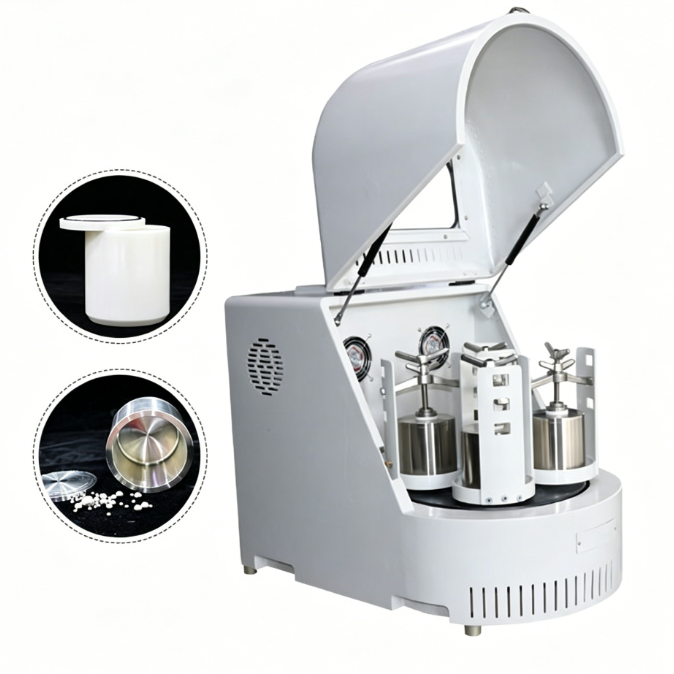
10 L Lateral Planetary Ball Mill SPBM-10A ATOMFAIR®
Price range: $4,740.00 through $17,140.00 -
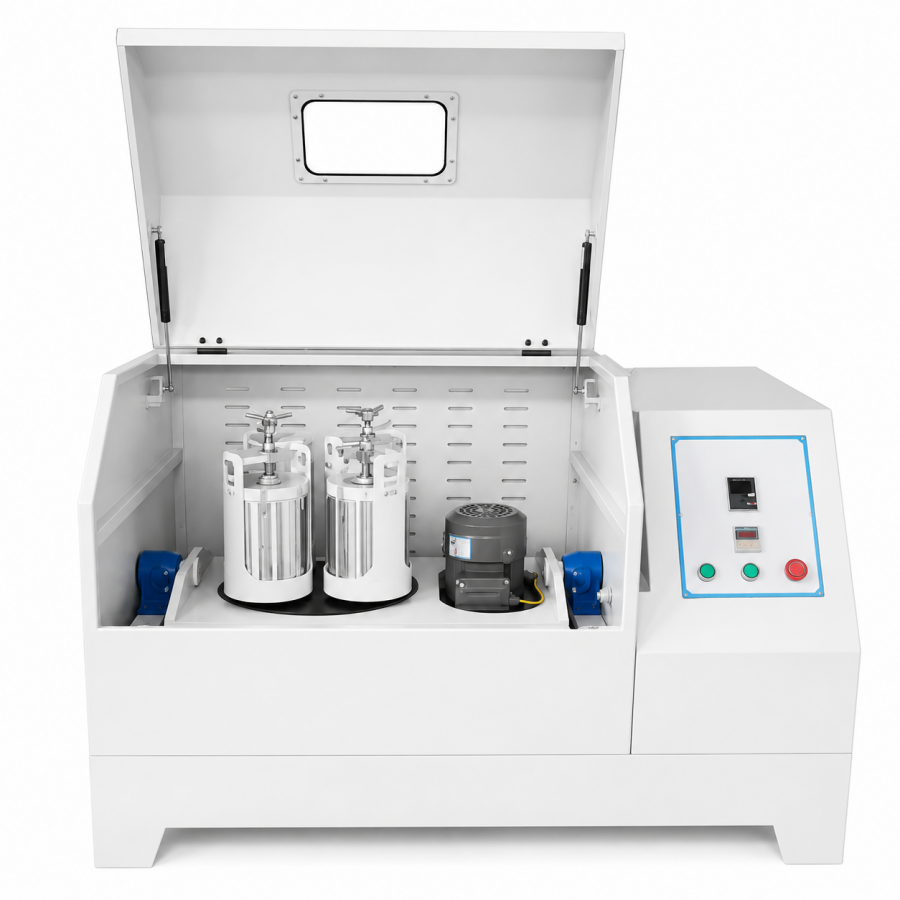
360° Planetary Ball Mill OPBM-(2-6) 0.75kW ATOMFAIR®
Price range: $5,308.00 through $12,948.00 -
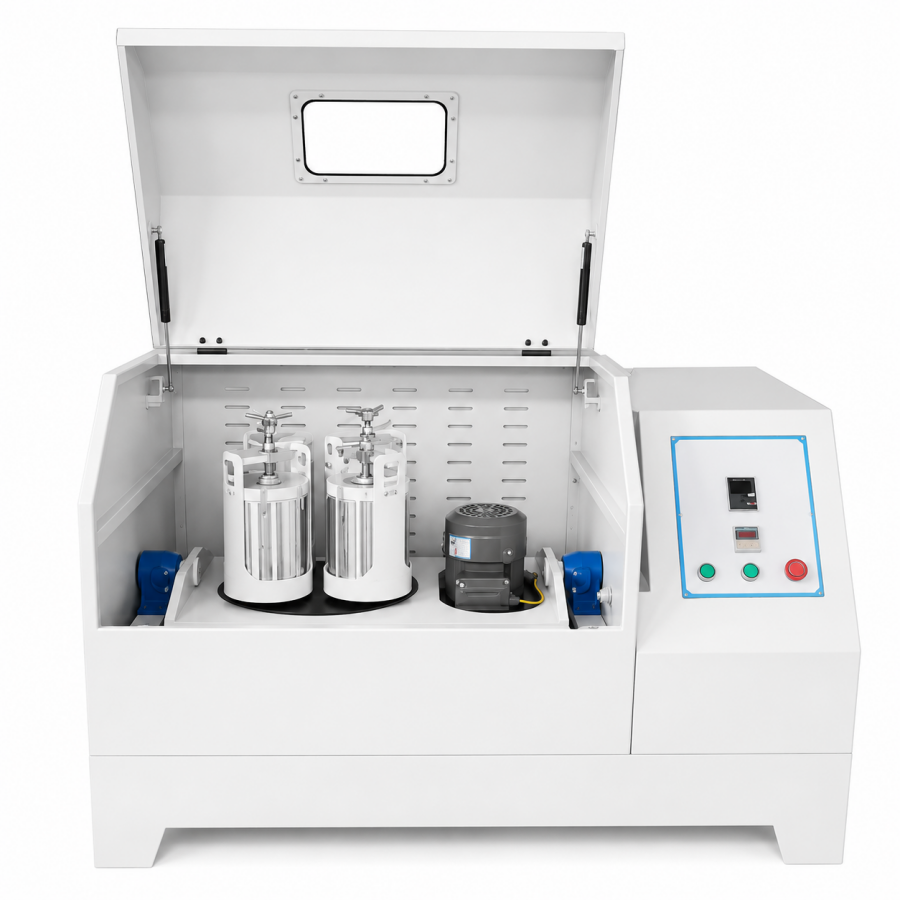
360° Planetary Ball Mill OPBM-0.4 0.4L 250W ATOMFAIR®
Price range: $3,547.00 through $4,771.00 -
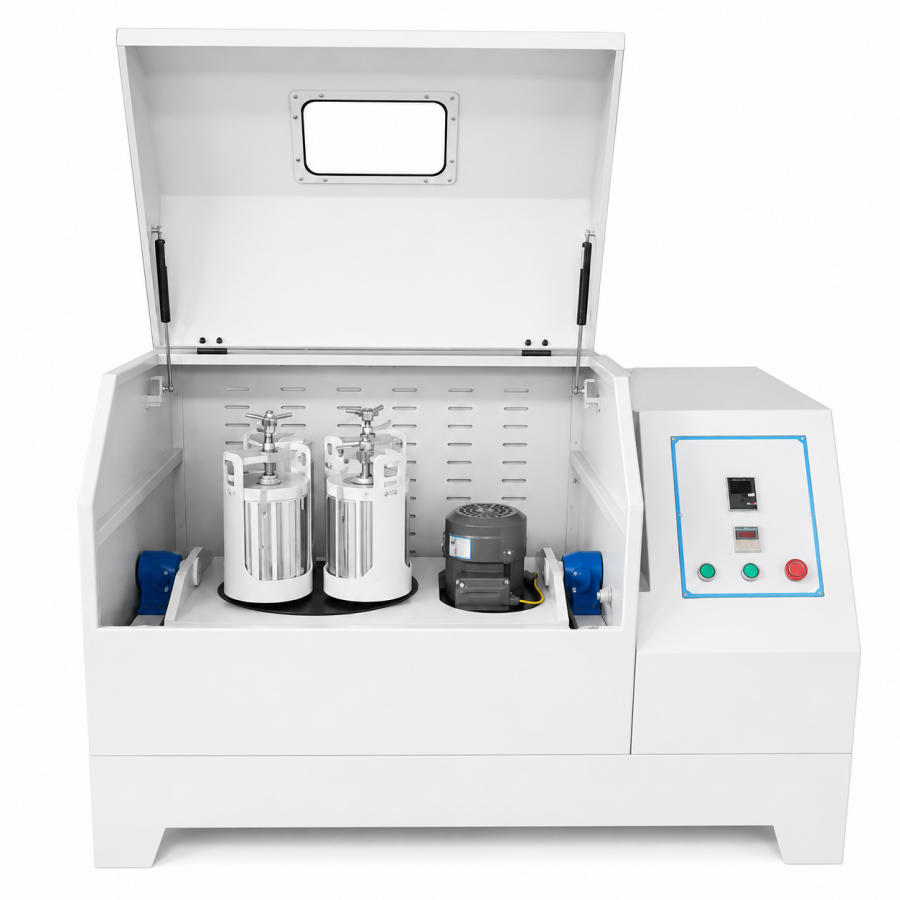
360° Planetary Ball Mill OPBM-20 20L 4kW Lab ATOMFAIR®
Price range: $14,255.00 through $38,015.00 -
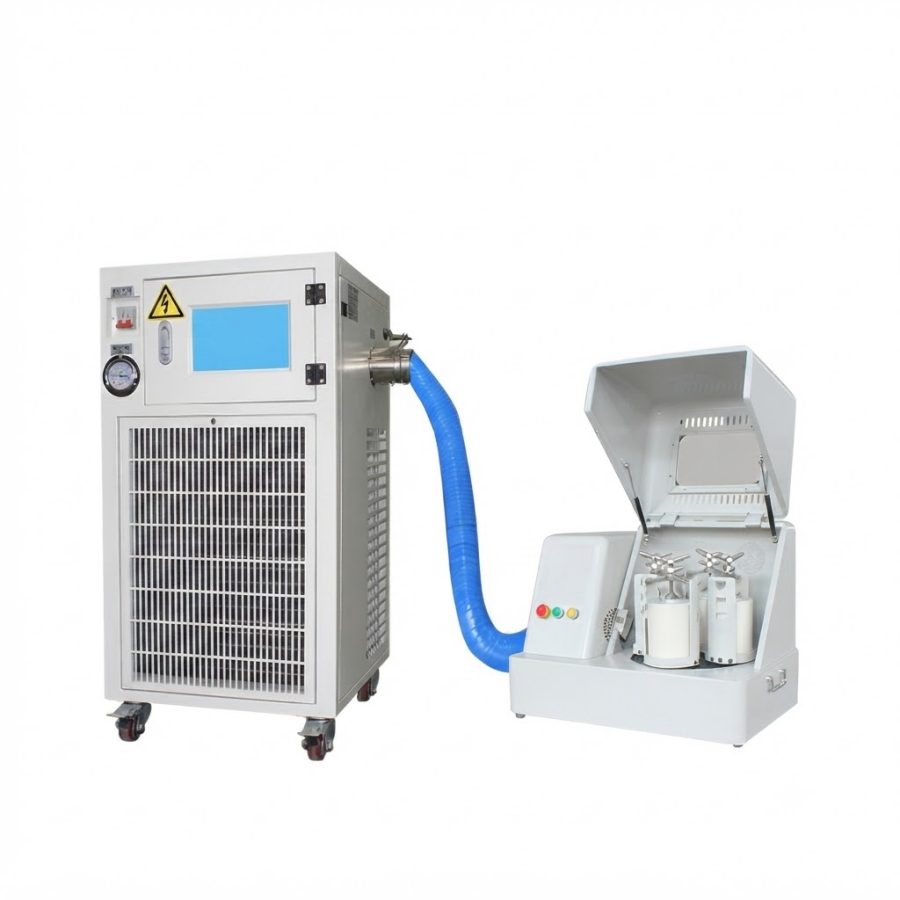
CPM-20 Cryogenic Planetary Ball Mill 20 L ATOMFAIR®
Price range: $14,018.00 through $37,778.00 -
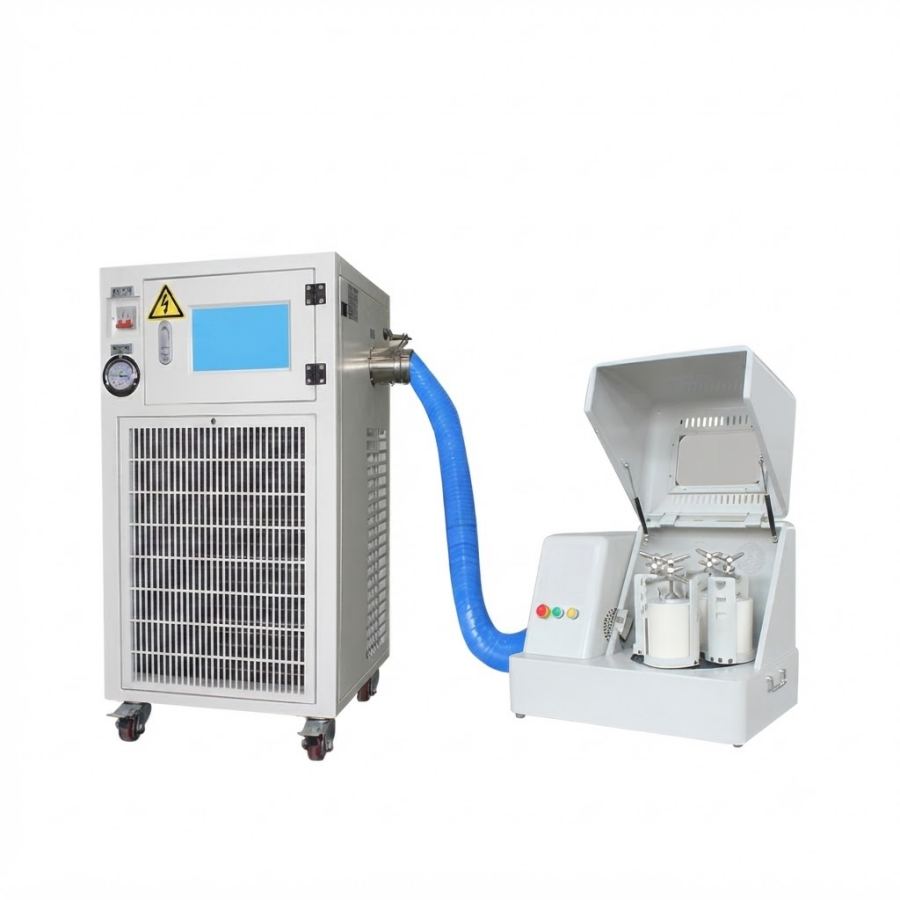
Cryogenic Planetary Ball Mill CPM-(8-12) 12 L ATOMFAIR®
Price range: $5,198.00 through $19,486.00 -
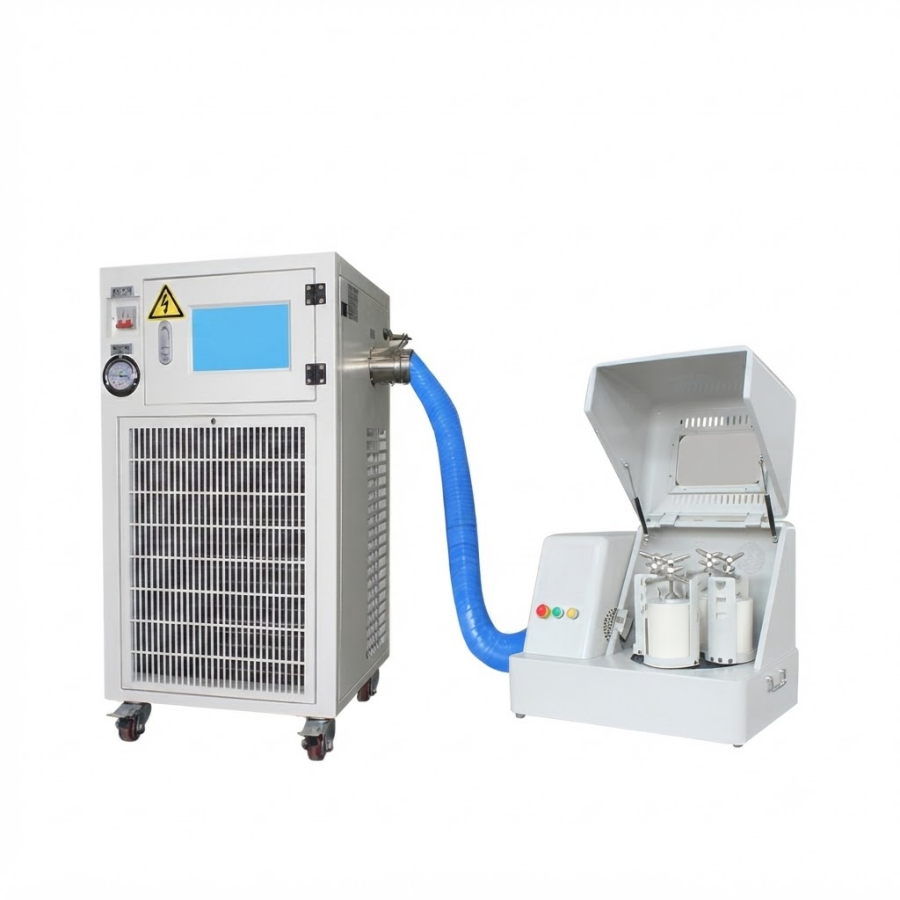
Cryogenic Planetary Ball Mill CPM-(8-12)A ATOMFAIR®
Price range: $9,728.00 through $24,016.00 -
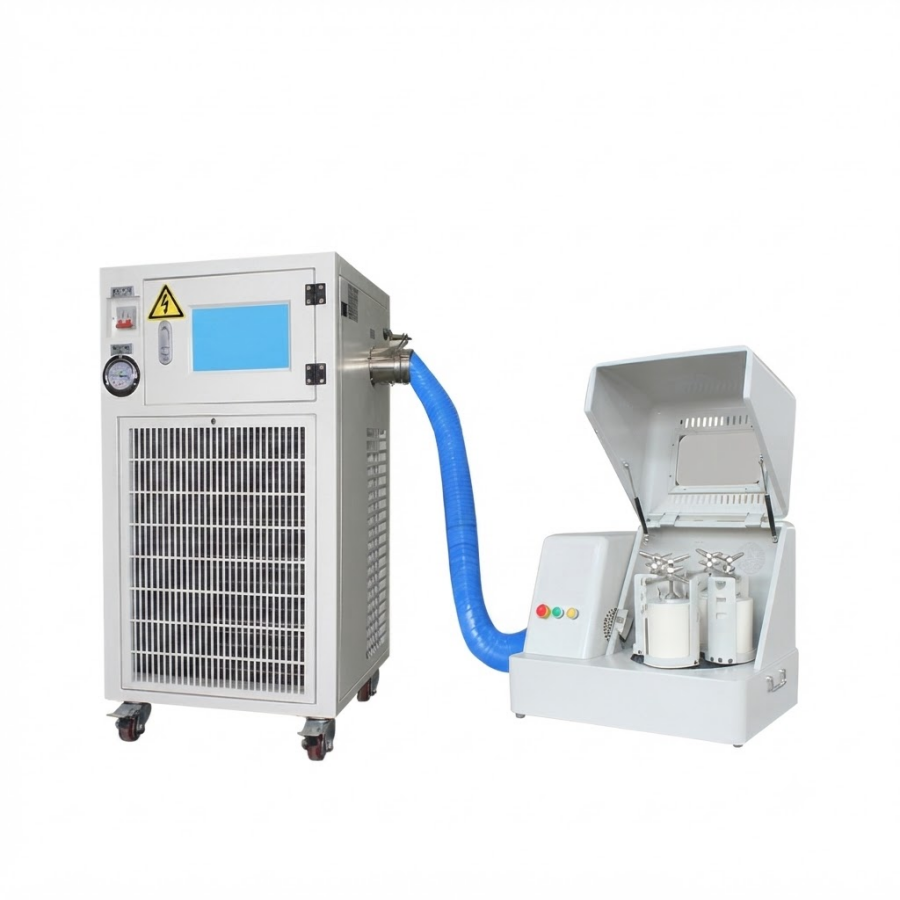
Cryogenic Planetary Ball Mill CPM-0.2 0.2 L ATOMFAIR®
Price range: $1,596.00 through $2,532.00 -
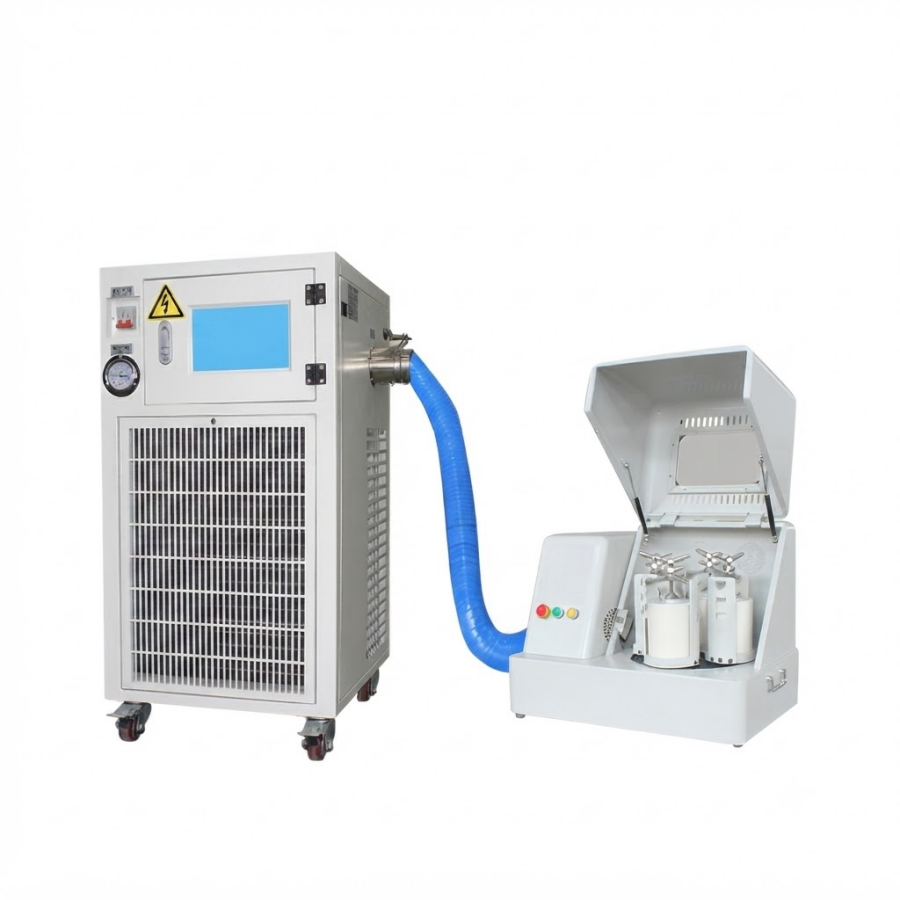
Cryogenic Planetary Ball Mill CPM-0.2S 0.2 L ATOMFAIR®
Price range: $1,612.00 through $2,548.00 -
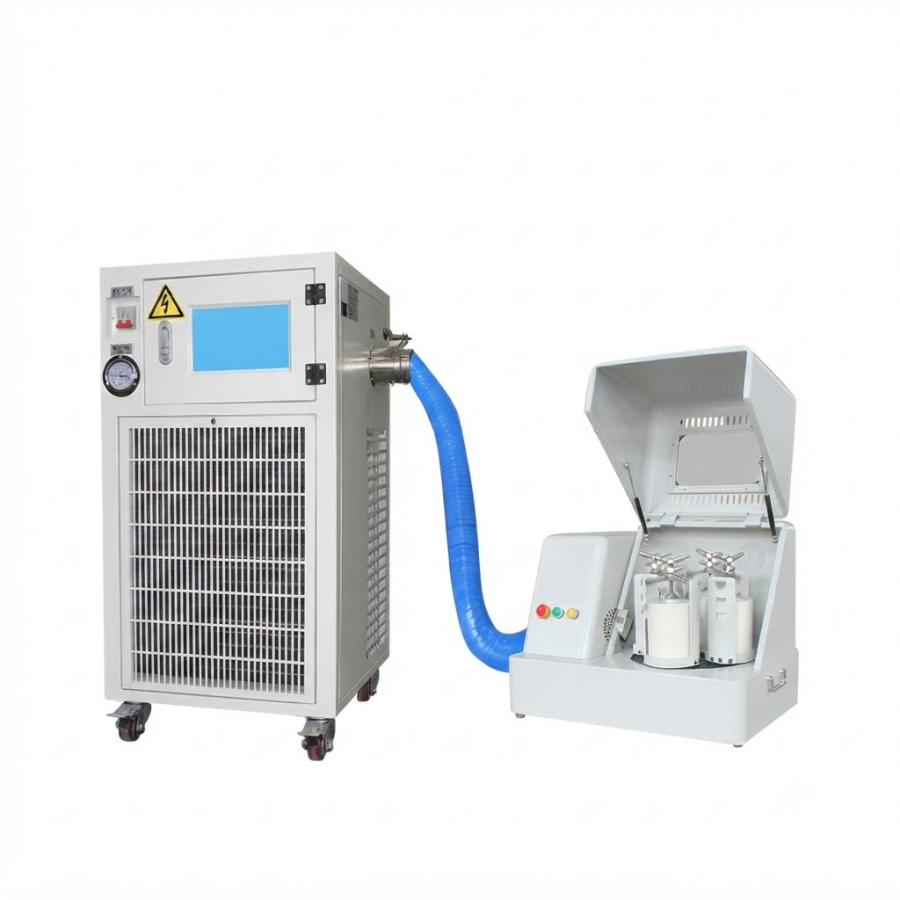
Cryogenic Planetary Ball Mill CPM-0.4A 0.4 L ATOMFAIR®
Price range: $2,270.00 through $3,494.00
- Mechanochemistry: A Force of Synthesis
DOI: 10.1021/acscentsci.6b00277
Broad, high-impact review explaining mechanochemical synthesis by milling, useful for contextualizing planetary mills as high-energy tools for advanced materials preparation. - Process engineering with planetary ball mills
DOI: 10.1039/c3cs35455e
Directly supports the operating principles, energy transfer, process parameters, and scale-up considerations for planetary ball mills. - Ball milling in organic synthesis: solutions and challenges
DOI: 10.1039/c0cs00195c
Supports practical ball-milling parameter control, milling media selection, vessel effects, and safety/process considerations in mechanochemical applications.