
Introduction to Nanoscale Processing
Nanotechnology involves the manipulation and utilization of materials at the nanoscale, where 1 nanometer equals one-billionth of a meter. The unique properties exhibited by materials at this scale enable applications such as nanocoatings, carbon nanotube composites, and nanomedicine. A critical enabling technology for producing these nanomaterials is the planetary ball mill.
Principles of Planetary Ball Milling
Planetary ball mills operate on a principle analogous to planetary motion. The grinding jars rotate around a central axis (revolution) while simultaneously rotating around their own axes (rotation). This dual motion generates significant centrifugal forces, causing the grinding media (e.g., zirconia balls) to impact, compress, and shear the sample material with high energy. This process effectively reduces bulk materials to ultrafine powders with particle sizes in the nanometer range, serving as a foundational step in creating nanomaterials like nanocoatings, wave-absorbing materials, and nano-encapsulated drugs.
Applications of Planetary Ball Milling
Energy Storage Systems
In lithium-ion battery development, planetary ball milling is used to process cathode and anode materials to the nanoscale. This refinement enhances ionic conductivity, leading to improved energy density, charge/discharge rates, and overall battery stability for applications in electric vehicles and portable electronics.
Pharmaceuticals and Healthcare
The technology improves the bioavailability of poorly soluble drugs by reducing their particle size to the nanoscale, resulting in faster dissolution and enhanced therapeutic efficacy. This principle underpins research into advanced drug delivery systems.
Advanced Materials and Aerospace
Planetary ball milling facilitates the production of high-strength, lightweight materials such as carbon nanotubes, which are critical for aerospace components and other applications requiring exceptional mechanical properties.
Environmental Resource Recovery
The mechanical activation provided by ball milling can be employed to efficiently separate and recover valuable metals from electronic waste and spent batteries, promoting resource recycling and waste valorization.
Future Developments in Ball Milling Technology
Process Automation and Control
Future systems are expected to incorporate integrated sensors and artificial intelligence for real-time monitoring of particle size distribution, enabling automatic adjustment of operational parameters like rotational speed and milling duration for optimized outcomes.
Advanced Processing Environments
To accommodate air- and heat-sensitive materials, such as those used in solid-state batteries, next-generation mills will feature enhanced capabilities for temperature control (including cryogenic milling) and operation under vacuum or inert gas atmospheres.
Sustainability Enhancements
Ongoing design improvements aim to reduce energy consumption, operating noise, and mechanical wear, aligning nanomaterial production with greener manufacturing practices.
Related Products
-
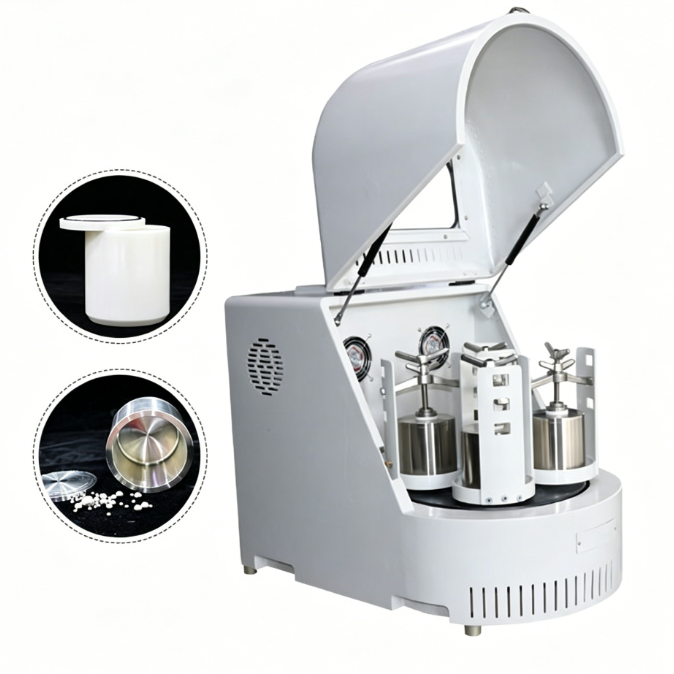
10 L Lateral Planetary Ball Mill SPBM-10A ATOMFAIR®
Price range: $4,740.00 through $17,140.00 -
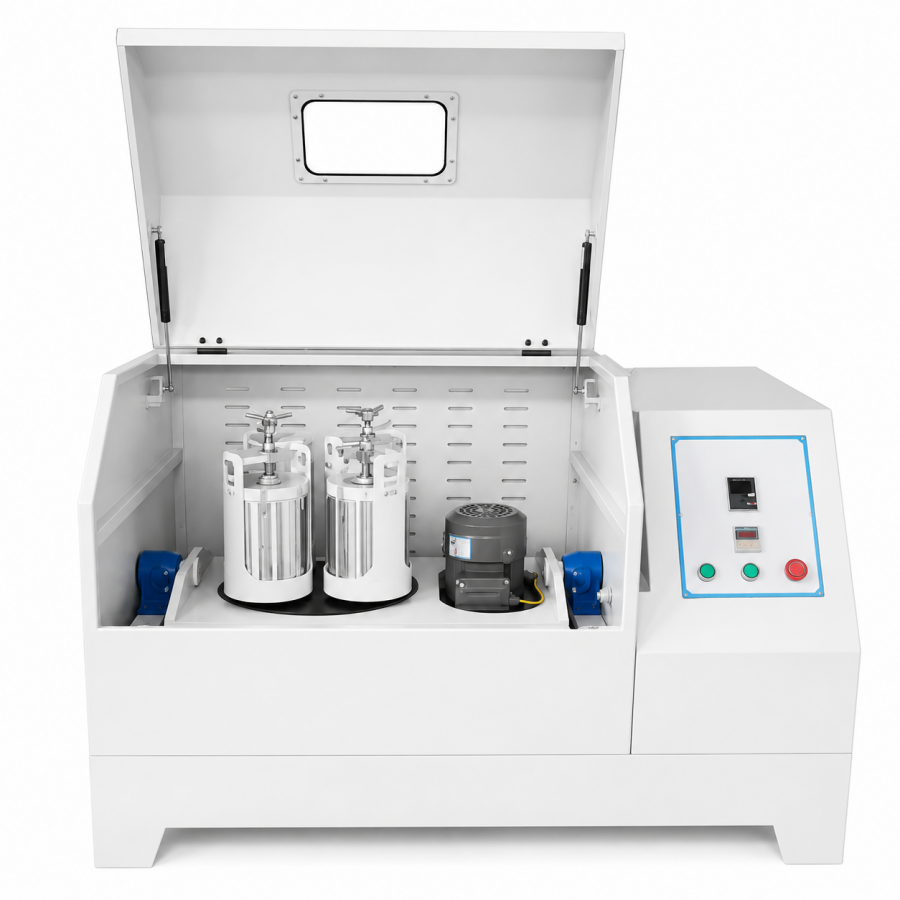
360° Planetary Ball Mill OPBM-(2-6) 0.75kW ATOMFAIR®
Price range: $5,308.00 through $12,948.00 -
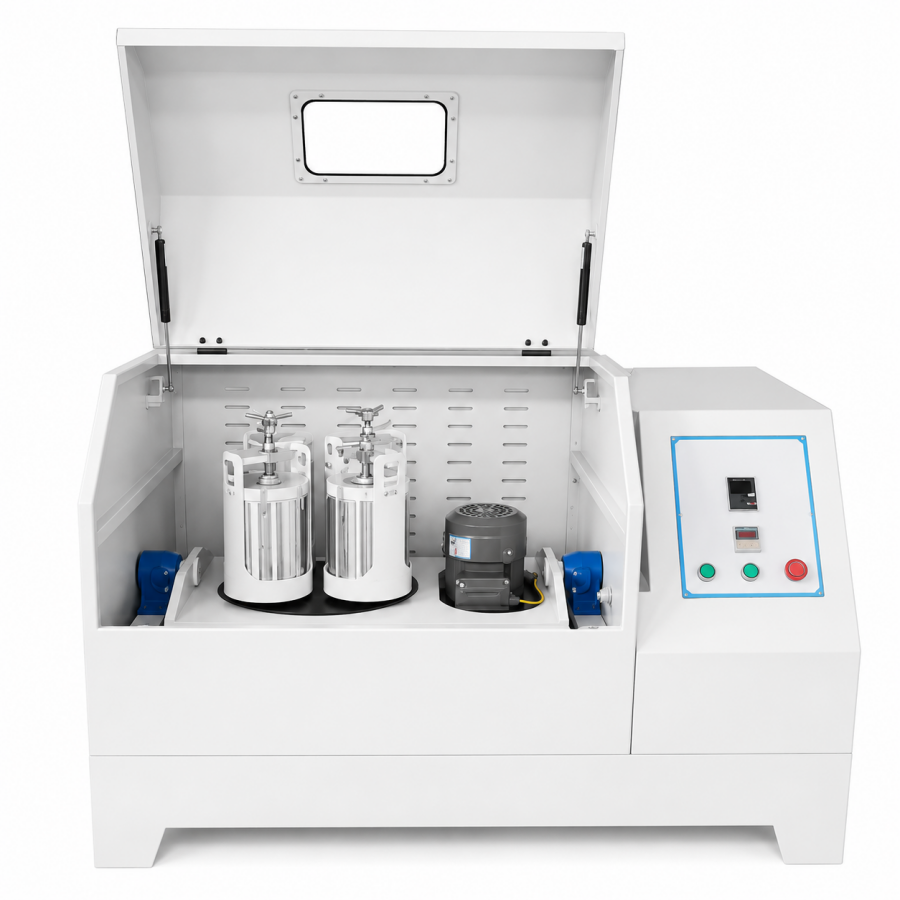
360° Planetary Ball Mill OPBM-(8-12) 1.5kW ATOMFAIR®
Price range: $7,264.00 through $21,552.00 -
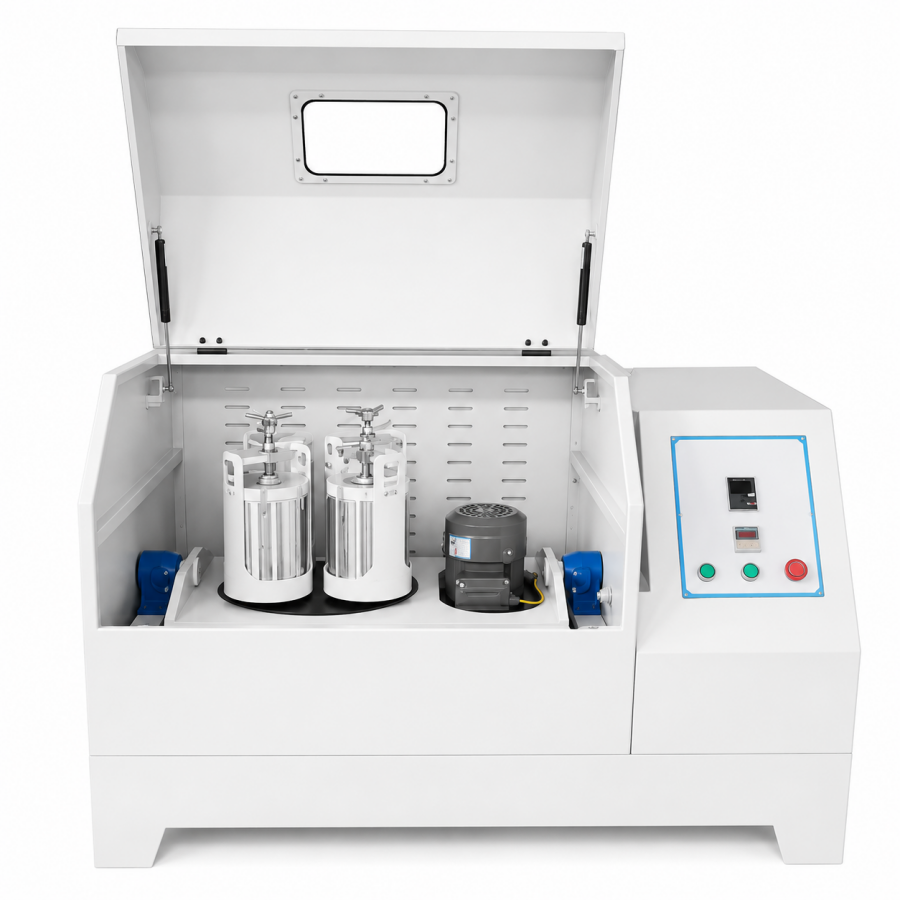
360° Planetary Ball Mill OPBM-0.4 0.4L 250W ATOMFAIR®
Price range: $3,547.00 through $4,771.00 -
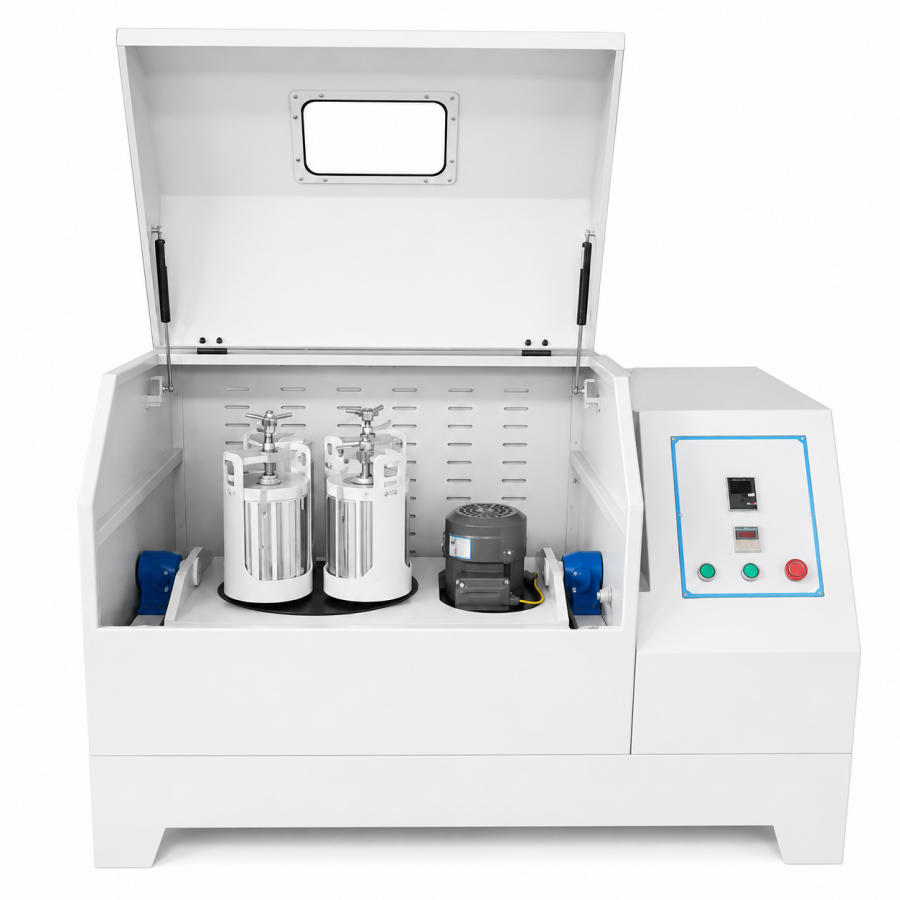
360° Planetary Ball Mill OPBM-20 20L 4kW Lab ATOMFAIR®
Price range: $14,255.00 through $38,015.00 -
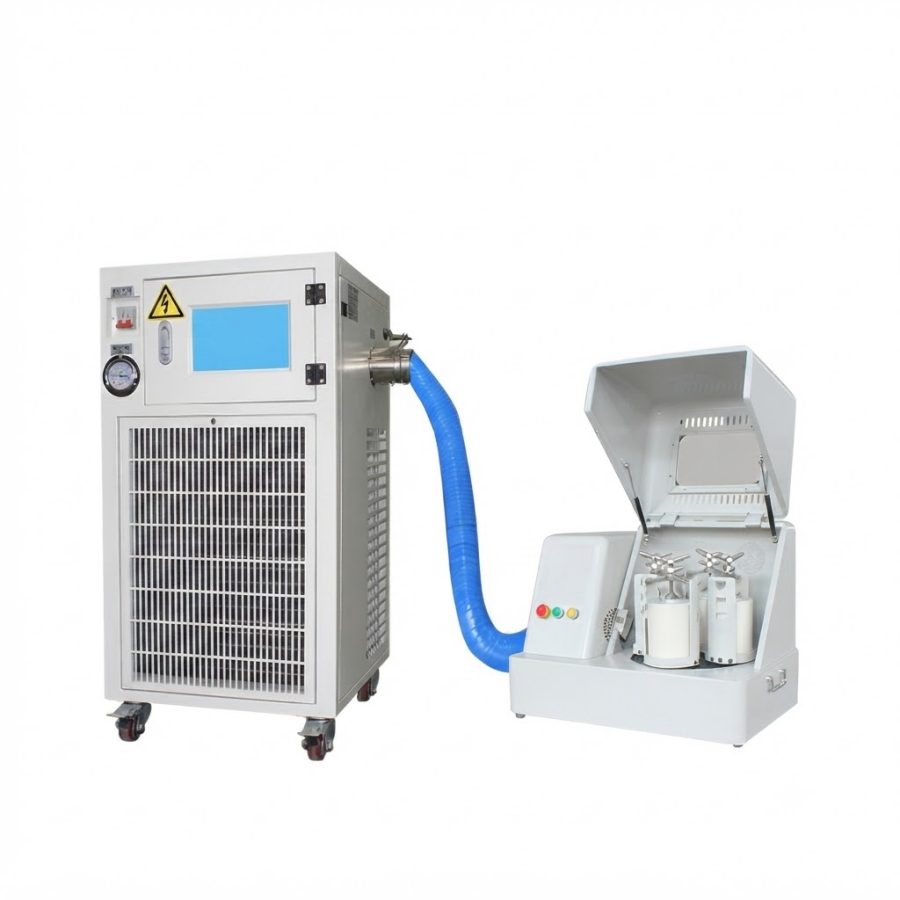
CPM-20 Cryogenic Planetary Ball Mill 20 L ATOMFAIR®
Price range: $14,018.00 through $37,778.00 -
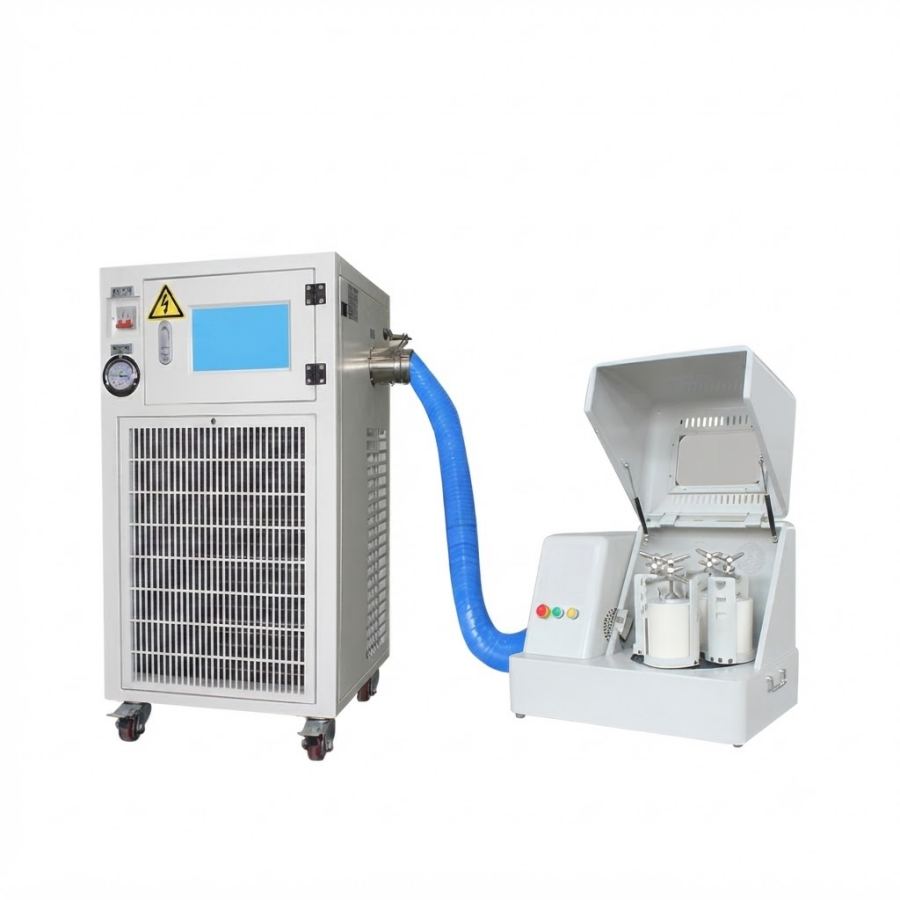
Cryogenic Planetary Ball Mill CPM-(8-12) 12 L ATOMFAIR®
Price range: $5,198.00 through $19,486.00 -
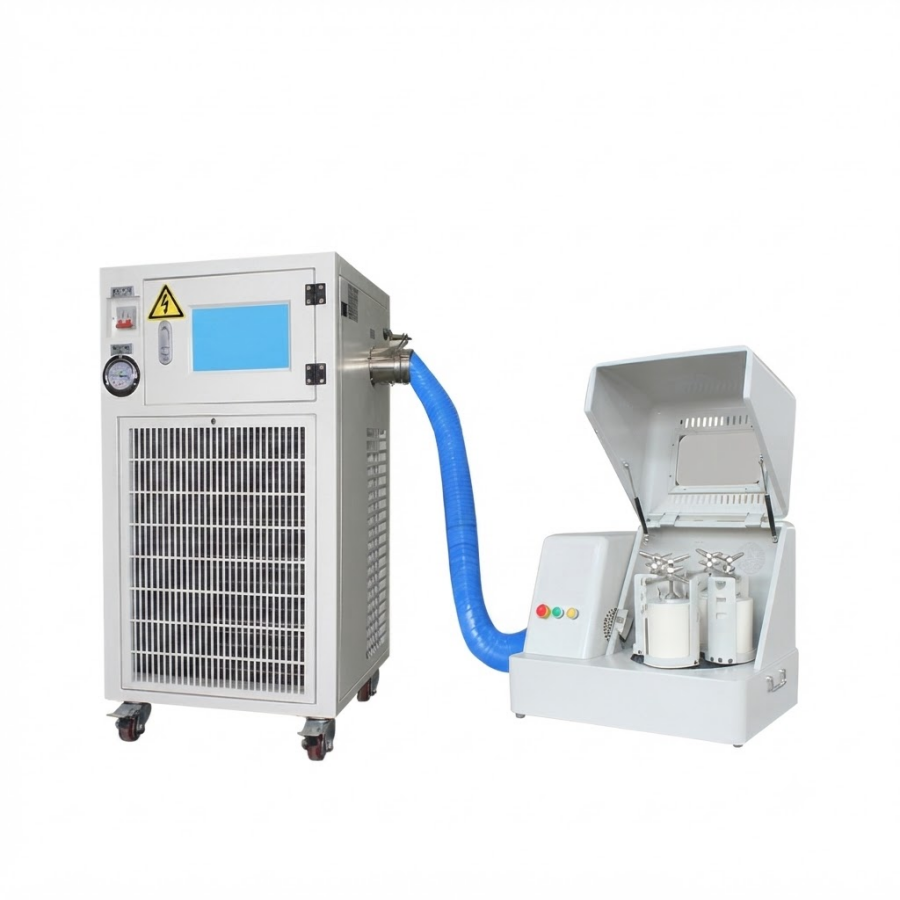
Cryogenic Planetary Ball Mill CPM-0.2 0.2 L ATOMFAIR®
Price range: $1,596.00 through $2,532.00 -
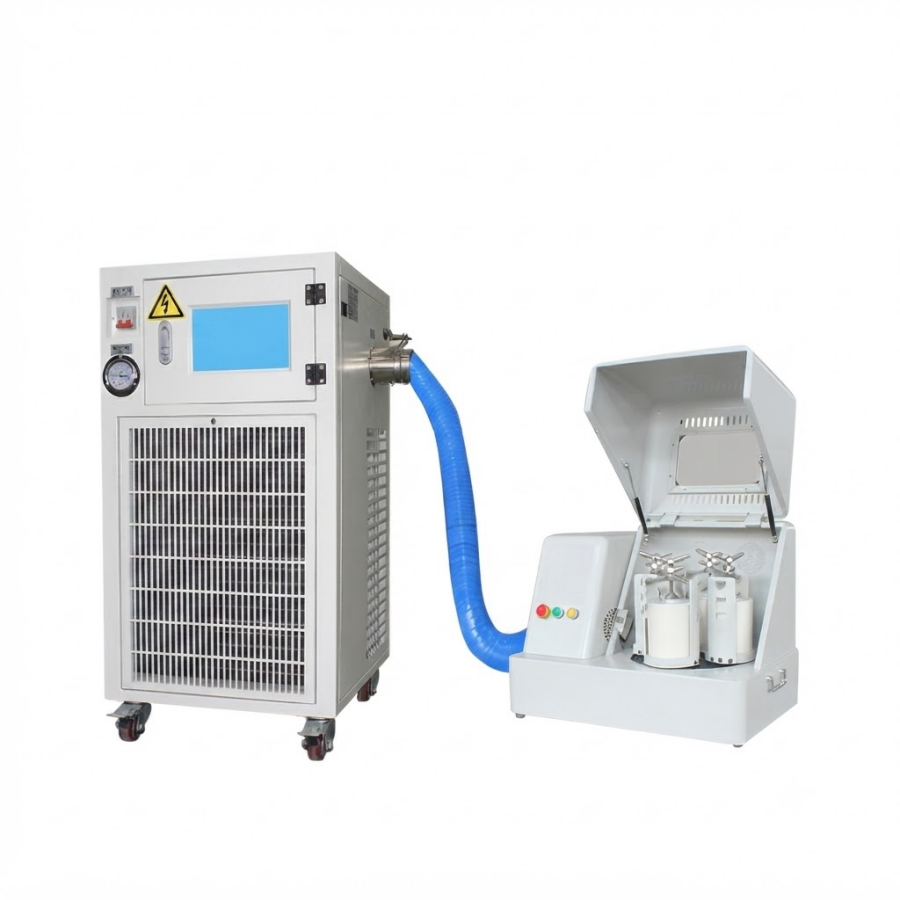
Cryogenic Planetary Ball Mill CPM-0.2S 0.2 L ATOMFAIR®
Price range: $1,612.00 through $2,548.00 -
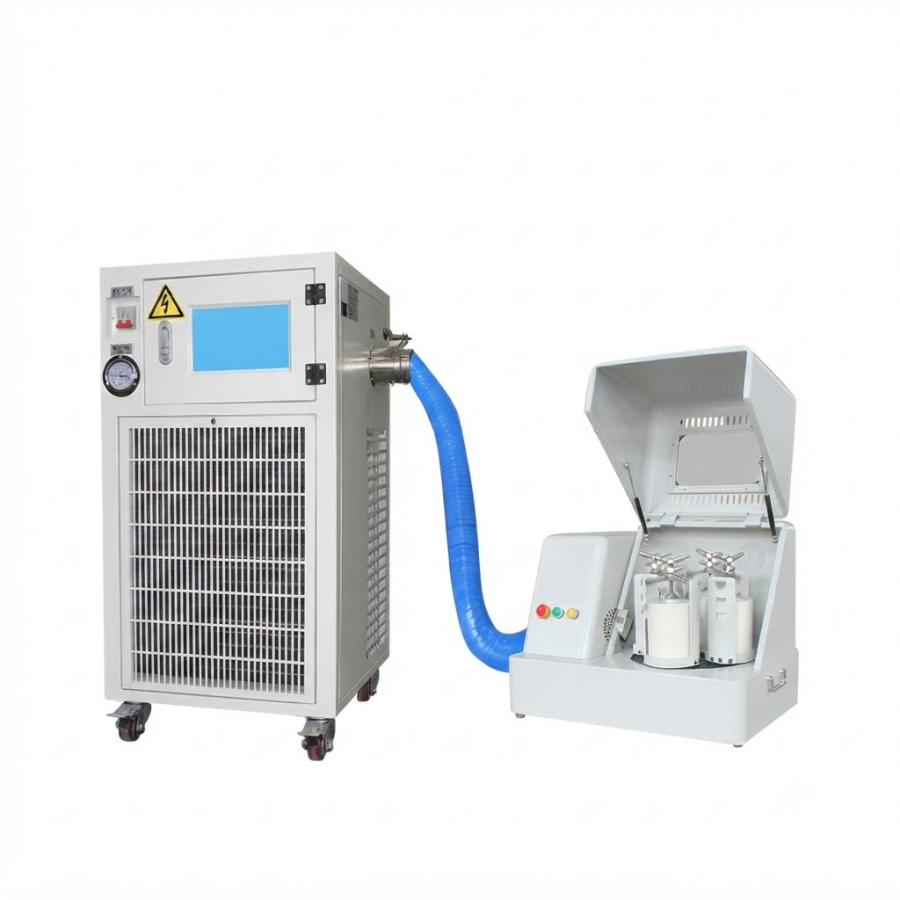
Cryogenic Planetary Ball Mill CPM-0.4A 0.4 L ATOMFAIR®
Price range: $2,270.00 through $3,494.00
- Mechanical Alloying: A Novel Technique to Synthesize Advanced Materials
DOI: 10.34133/2019/4219812
Modern review of mechanical alloying and milling as a synthesis route for advanced materials, relevant to nanoscale powder processing. - Process engineering with planetary ball mills
DOI: 10.1039/c3cs35455e
Directly supports the operating principles, stress mechanisms, process parameters, and scale/process engineering considerations for planetary ball mills. - High-energy ball milling technique for ZnO nanoparticles as antibacterial material
DOI: 10.2147/ijn.s18267
Demonstrates nanoparticle production using high-energy ball milling, supporting claims about converting bulk materials into nanoscale powders.