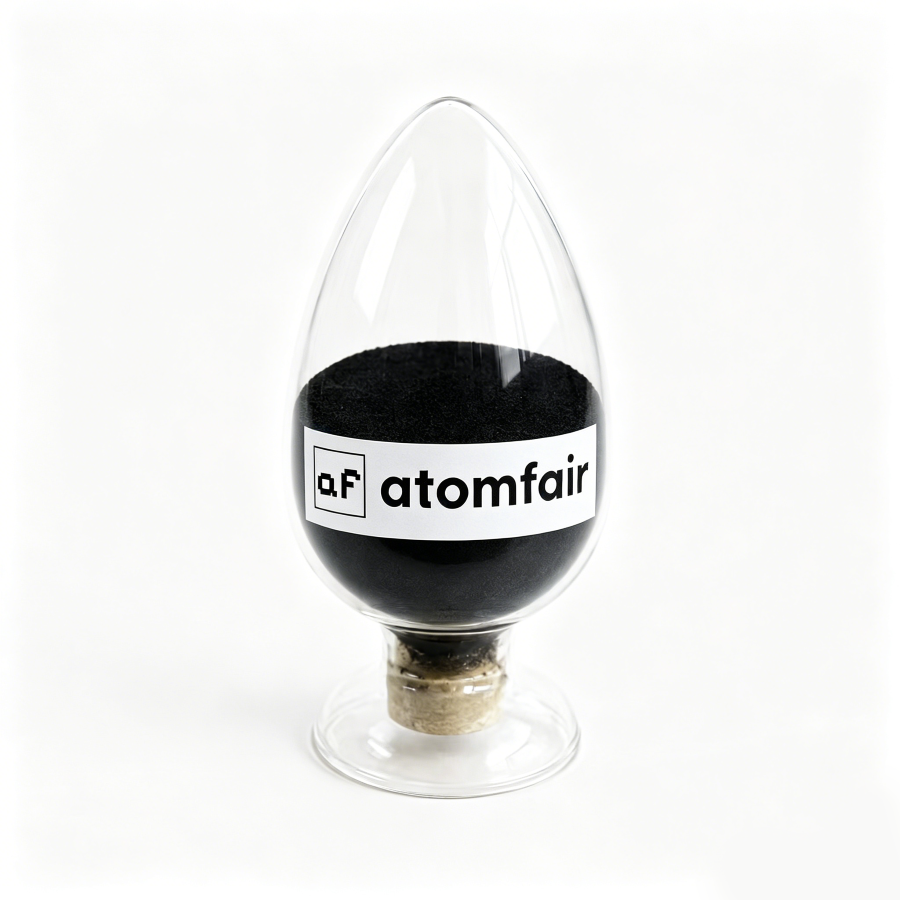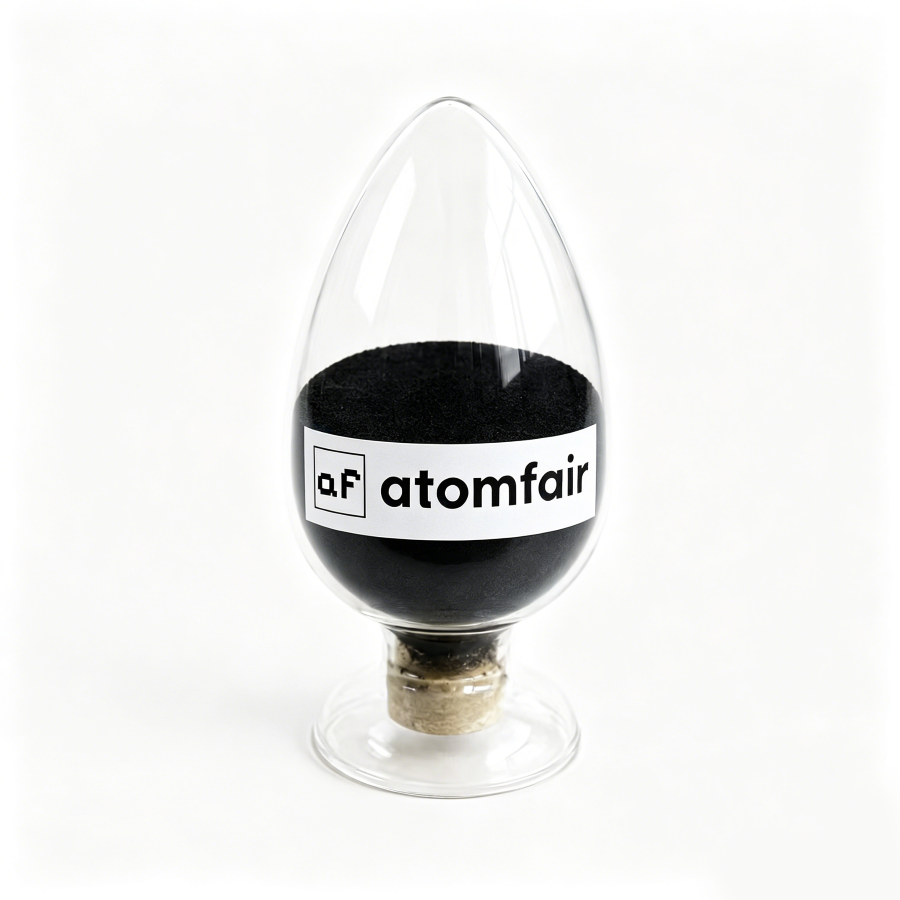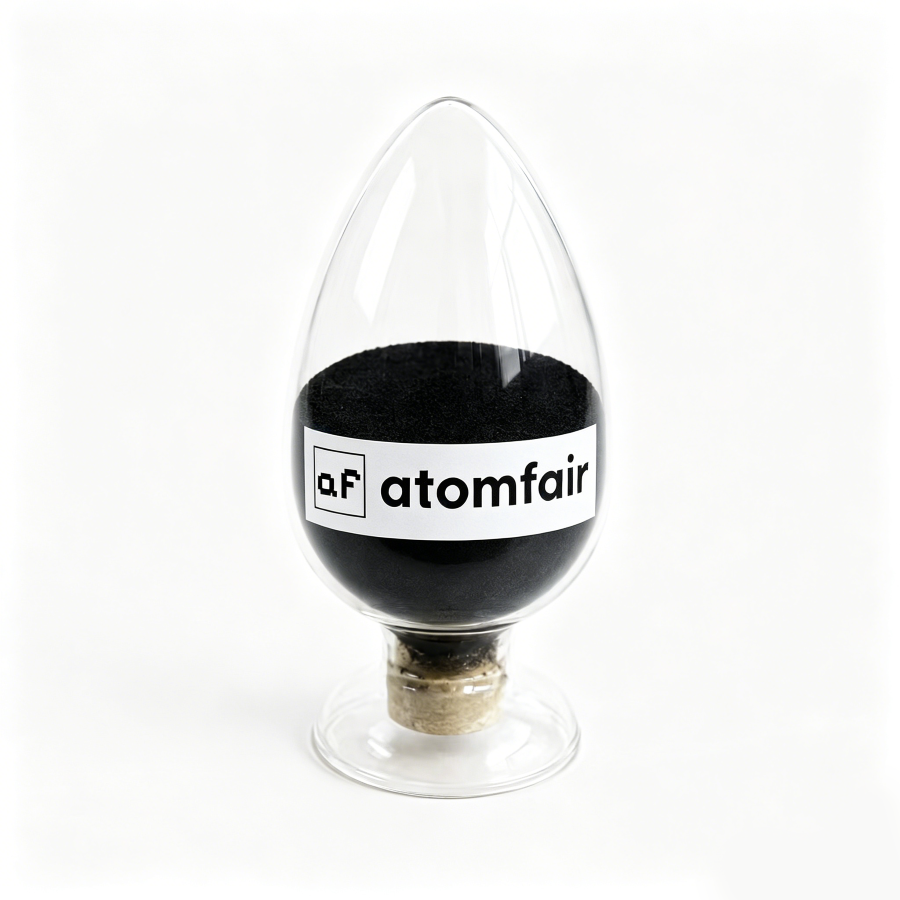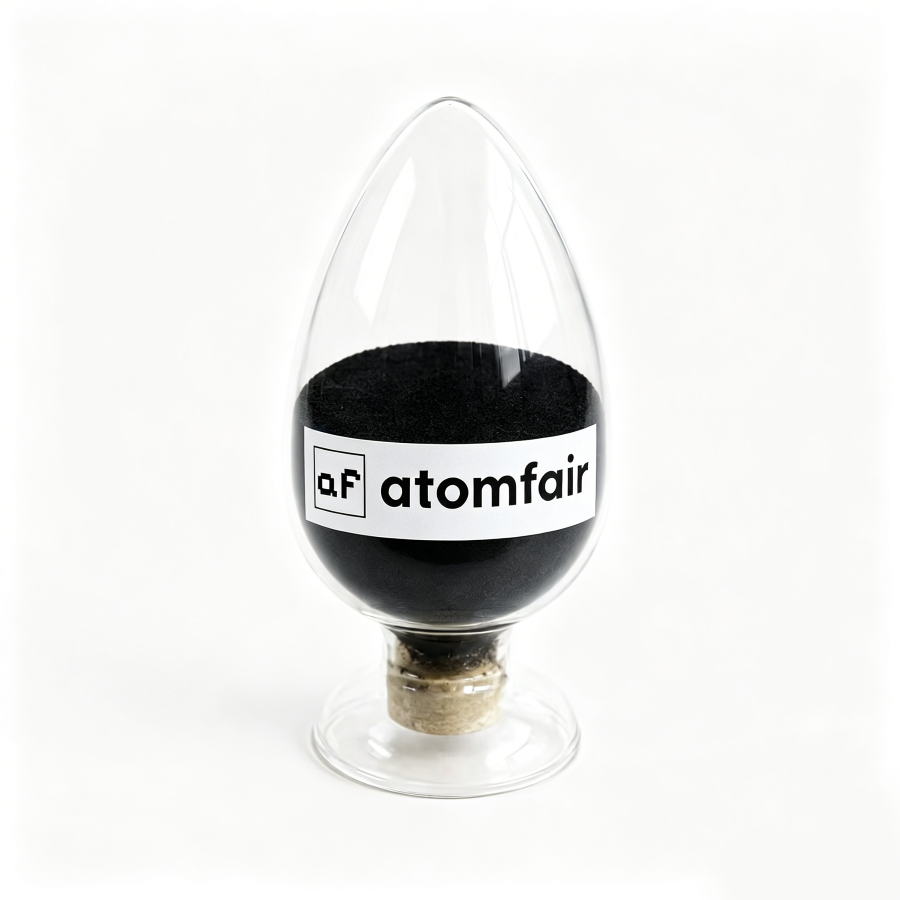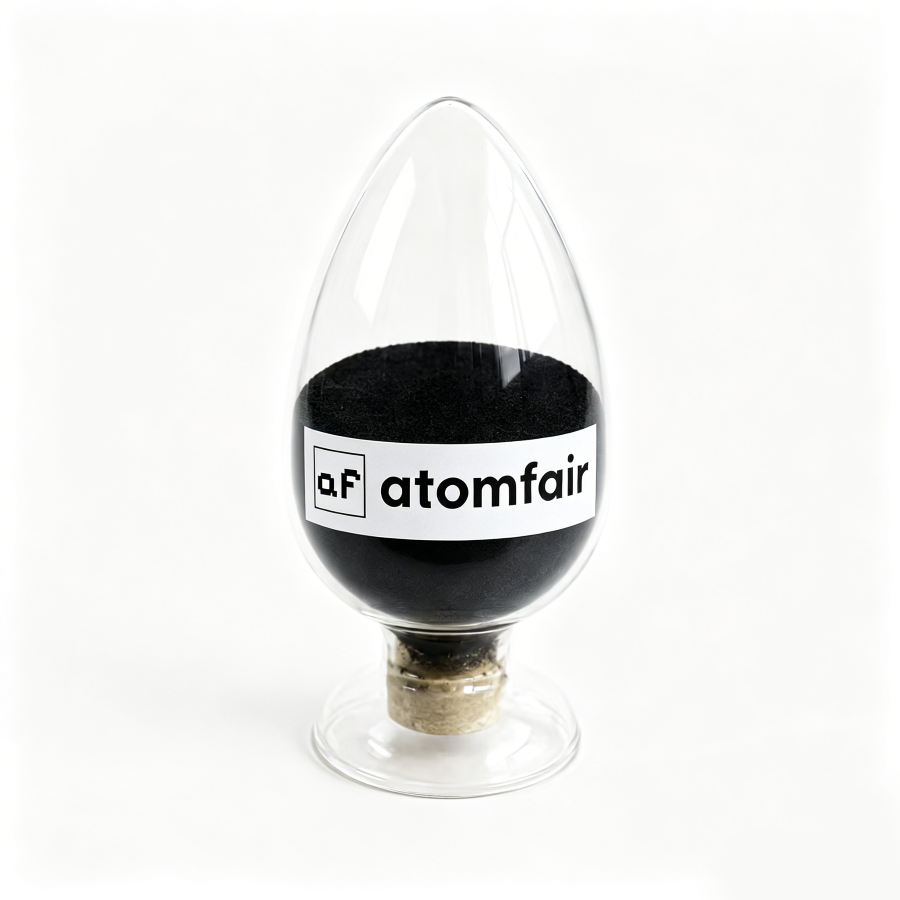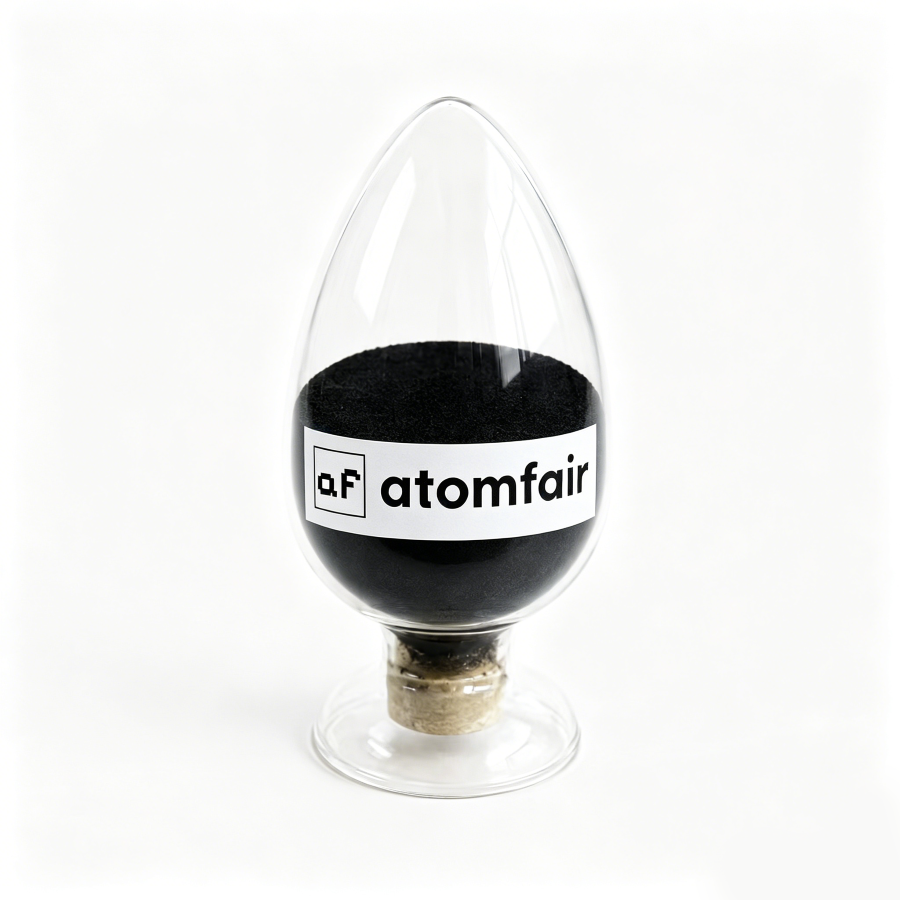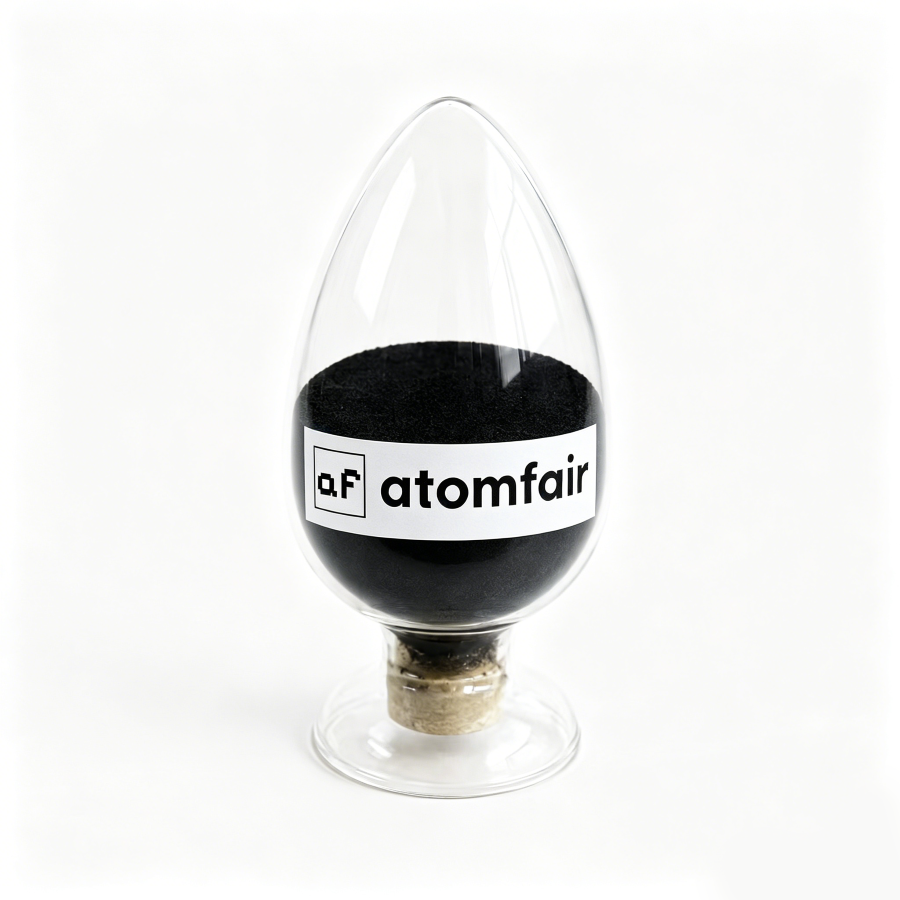
ATOMFAIR LFP: 161 mAh/g Lithium Iron Phosphate PowderRESEARCH GRADE MATERIAL
|
|||||||||||||||||||||||||||||||||||||||||||||||||
|
|||||||||||||||||||||||||||||||||||||||||||||||||
This material must meet specified physical property ranges to ensure consistent electrochemical performance in lithium-ion cell fabrication. The standard requirements provide acceptable windows for key parameters that influence electrode processing and final cell behavior.
- Specific Surface Area Constraint: The BET surface area must be maintained between 11 and 15 m²/g to ensure adequate electrolyte wetting and rate capability.
- Tap Density Requirement: The tap density must be at least 0.7 g/cm³ to achieve sufficient electrode loading density for practical cell assembly.
- Pellet Density Range: The pellet density should remain between 2.18 and 2.28 g/cm³ to maintain consistent electrode porosity and mechanical integrity.
- Total Carbon Content Window: The total carbon content must fall within 1.38 to 1.78 wt% to balance electronic conductivity with active material fraction.
How does the particle size distribution of this LFP powder affect its rate capability and tap density trade-off?
The D50 of 0.650 μm and D90 of 2.900 μm (within standard requirements) support both high-rate performance and good packing density. At 1.0C, the discharge specific capacity is 154.0 mAh/g (standard 150–156 mAh/g), while the tap density of 0.82 g/cm³ (≥0.7 g/cm³ standard) indicates sufficient particle packing for electrode processing without excessive porosity.
Can this element-doped carbon-coated LFP cathode powder be directly integrated into a full-cell configuration with graphite anodes?
Yes, the product is explicitly tested using both lithium metal half-cells and a graphite anode system, confirming compatibility with graphite anodes in full-cell setups. The modified LiFePO4 matrix with advanced element doping and carbon coating is designed for direct use in standard lithium-ion battery architectures.
What handling precautions are required for this fine LFP powder due to its high surface area and carbon coating?
This powder has a BET specific surface area of 12.8 m²/g (standard 11–15 m²/g), making it hygroscopic and reactive to moisture. It should be stored and handled in a dry, inert atmosphere (e.g., argon glovebox) to prevent carbon coating degradation and electrostatic agglomeration. The material is manufactured under RoHS compliant conditions and requires standard fine-powder PPE.
This LFP cathode powder delivers 161.9 mAh/g at 0.1C with a carbon-coated sub-spherical microstructure optimized for high-rate battery research. Its fine particle distribution (D50 0.65 μm) and moderate BET surface area enable consistent electrochemical performance but require careful electrode processing.
Positive
- High specific capacity with rate capability: Delivers 161.9 mAh/g at 0.1C and 154.0 mAh/g at 1.0C, exceeding standard requirements and demonstrating excellent rate retention for high-power cell prototyping.
- Engineered conductive carbon coating: Element-doped carbon wrapping combined with sub-spherical crystallites enhances electronic conductivity and lithium-ion transport, reducing variability in power cell performance.
Trade-offs
- Fine particle size handling challenge: With D50 of 0.65 μm and D10 of 0.313 μm, the powder is very fine and may require advanced mixing and coating equipment to prevent agglomeration during electrode fabrication.
- Moderate BET surface area: At 12.8 m²/g, the specific surface area is within standard range but on the higher side, potentially increasing electrolyte uptake and side reaction risk during long-term cycling.
Every advanced material, component, equipment, and instrument in our catalog is backed by rigorous testing. We maintain strict internal quality management frameworks and align with CE conformity metrics to deliver transparent, reproducible performance data via our public open-science repository.
To request raw batch performance data, submit formal vendor registration paperwork, or execute a fast-turnaround R&D manufacturing loop, contact us at inquiry@atomfair.com.
Item is dispatched under the Atomfair Shipping & Delivery Framework (Free worldwide shipping on orders over $59 USD excl. heavy equipment). Return is governed by the Atomfair Return & Refund Policy (7-day technical return window).