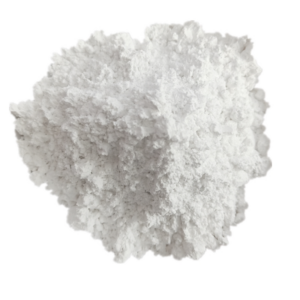
Description
Key Advantages
Exceptional Light Output (68,000 ph/MeV)
One of the highest photon yields among scintillators, emitting ultraviolet-blue light (380 nm) with intensity directly proportional to incident radiation energy. This ensures superior signal-to-noise ratios, enabling precise energy measurement even in low-dose applications (e.g., medical SPECT).
Superior Energy Resolution
Combined with its high light yield, LaBr₃:Ce offers unmatched ability to distinguish between radiation energies—critical for identifying specific isotopes in coal/mineral analysis, oilfield logging, or medical SPECT (e.g., differentiating radiotracers in cardiac imaging).
Ultra-Fast Decay Time (16 ns)
Among the fastest decay times of any scintillator, minimizing signal pile-up in high-count-rate environments. This speed is invaluable for real-time applications like security screening (rapid cargo scanning) or high-energy physics experiments (tracking fast-moving particles).
Rapid Response & High Sensitivity
Delivers instant signal generation upon radiation absorption, ensuring quick data acquisition in time-sensitive applications—from industrial process control to emergency radiation monitoring.
Excellent Radiation Hardness
Withstands intense radiation fields without performance degradation, making it suitable for high-dose environments like nuclear facilities, oilfield tools, or particle colliders.
Technical Specifications
Cerium-doped lanthanum bromide (LaBr₃:Ce) has a density of 5.08 g/cm³, a melting point of 1116 K (843°C), an emission wavelength of 380 nm (ultraviolet-blue), a light yield of 68,000 ph/MeV, a decay time of 16 ns, a cleavage plane of <100>, a refractive index of ~1.9, is hygroscopic, and has applications in industrial & resource exploration.
If you’re interested, have any questions, or have specific customization requirements, please feel free to contact us at inquiry@atomfair.com.
Disclaimer: Sold exclusively for laboratory research.