Description
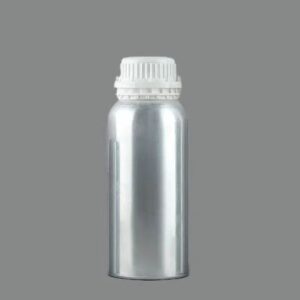
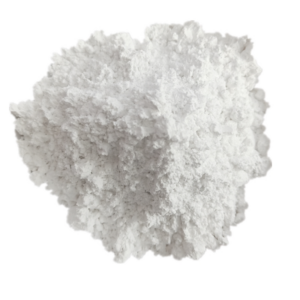
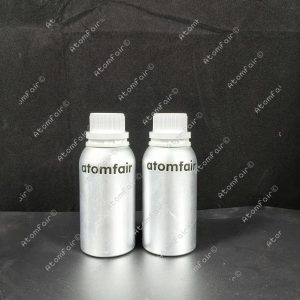
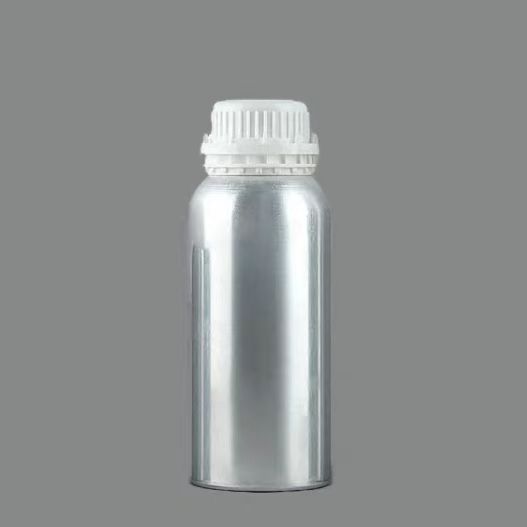
AtomFair Lithium Bis(fluorosulfonyl)imide (LiFSI) Electrolyte Additive (Battery Research Grade)
AtomFair LiFSI is a high-purity functional electrolyte additive for research on energy storage systems such as lithium-ion batteries and solid-state batteries. Featuring ultra-low impurities and high stability, it is suitable for scientific research scenarios like battery electrolyte formulation optimization and interface performance regulation.
1. Quality Inspection Indicators
| Test Item | Standard | Test Method |
|---|---|---|
| Appearance | White Crystal | Visual Inspection |
| Color (30% EMC System) | ≤40 APHA | Colorimetric Method |
| Moisture | ≤100 ppm | Coulometric Method |
| Free Acid (as HF) | ≤100 ppm | Potentiometric Titration |
| Turbidity (10% Aqueous Solution) | ≤5 NTU | UV Method |
| Turbidity (10% DMC System) | ≤15 NTU | UV Method |
| Sulfate (SO₄²⁻) | ≤50 ppm | UV Method |
| Chloride (Cl⁻) | ≤10 ppm | UV Method |
| Purity | ≥99.9% | Ion Chromatography (IC) |
| Fluoride (F⁻) | ≤200 ppm | Ion Chromatography (IC) |
| Metal Ions (Na/K/Ca/Fe/Cu/Zn/Pb/Cr/Ni/Al/Mg/Cd) | ≤10 ppm (each) | Ion Chromatography (IC) |
| Arsenic (As) | ≤5 ppm | Ion Chromatography (IC) |
2. Storage and Usage Precautions
2.1 Storage Conditions
- Sealed, moisture-proof, and light-proof storage;
- Recommended storage in dry argon/nitrogen environment (relative humidity ≤30%, temperature 15~30℃);
- Secondary packaging with aluminum-plastic vacuum bags is recommended for long-term storage.
2.2 Usage Environment
- Operation in a dry room with dew point ≤-40℃ or inert gas glove box is recommended;
- Avoid moisture absorption (moisture can cause HF generation, corrode equipment and affect battery performance).
2.3 Operational Protection
- Wear protective gloves, goggles and lab coat during operation;
- Avoid direct skin contact or inhalation of dust;
- If contact with skin occurs, rinse immediately with plenty of water and seek professional medical advice.
2.4 Waste Disposal
- Classified disposal in accordance with local hazardous chemical disposal regulations;
- Do not discharge directly into sewers or natural water bodies.
3. Scientific Research Application Scenarios
- Electrolyte Formulation Optimization: Improve high-temperature cycle stability and low-temperature rate performance of batteries;
- Electrode Interface Regulation: Inhibit positive electrode oxygen evolution and negative electrode lithium dendrite growth, improve the stability of SEI/CEI films;
- Solid Electrolyte Modification: Enhance ionic conductivity and interface compatibility of solid electrolytes.
If you’re interested, have any questions, or have specific customization requirements, please feel free to contact us at inquiry@atomfair.com.