
Metal-Based 3D Foam Materials
Lightweight Metallic Foams for Structural Applications
Aluminum Foam Sandwich Panels for Automotive Lightweighting
Aluminum foam sandwich panels are increasingly recognized as a transformative material in automotive lightweighting, offering a unique combination of structural efficiency and performance. These panels consist of a porous aluminum foam core bonded between two solid aluminum face sheets, resulting in a high strength-to-weight ratio that is critical for reducing vehicle mass without compromising safety or durability. The cellular structure of the foam core provides exceptional energy absorption during impacts, making it ideal for crash-resistant components such as door panels, bumper systems, and floor structures. Additionally, the inherent damping properties of the foam reduce vibrations and noise, enhancing ride comfort.
Manufacturing techniques for aluminum foam sandwich panels include powder metallurgy and melt foaming. Powder metallurgy involves compacting aluminum powder with a foaming agent, followed by heating to create a porous structure. This method allows precise control over pore size and distribution, yielding consistent mechanical properties. Melt foaming, on the other hand, introduces gas or foaming agents into molten aluminum, producing a less uniform but cost-effective foam suitable for large-scale automotive applications. Powder metallurgy is favored for high-performance components where uniformity is critical, while melt foaming is preferred for bulk production of parts with less stringent tolerances.
Real-world applications demonstrate the benefits of these panels. For instance, a European car manufacturer integrated aluminum foam sandwich panels into the roof structure of a mid-sized sedan, achieving a 20% weight reduction while maintaining crash test performance. In another case, a Japanese automaker used these panels in the rear floor assembly of an electric vehicle, improving energy efficiency by 8% due to the reduced mass. The panels also contributed to enhanced side-impact protection in crash tests, absorbing up to 30% more energy than traditional steel counterparts.
The adoption of aluminum foam sandwich panels aligns with automotive industry goals of reducing emissions and improving fuel efficiency through lightweighting. Their structural versatility, combined with scalable manufacturing methods, positions them as a key material for next-generation vehicle design.
Titanium Foam Scaffolds for Aerospace Structural Components
Titanium foam scaffolds have emerged as a transformative material in aerospace structural components due to their unique combination of high strength, low density, and corrosion resistance. These properties make them ideal for applications where weight reduction is critical without compromising structural integrity. The porous architecture of titanium foams, often achieved through additive manufacturing techniques like selective laser melting (SLM), allows for precise control over pore size, distribution, and connectivity, enabling tailored mechanical performance.
One of the key advantages of titanium foam scaffolds is their exceptional strength-to-weight ratio. With porosity levels ranging from 50% to 80%, these materials can achieve densities as low as 1.5 g/cm³ while maintaining compressive strengths comparable to solid titanium in specific load-bearing configurations. This makes them suitable for aircraft frames, wing supports, and spacecraft components, where every gram saved translates to improved fuel efficiency and payload capacity. For instance, Airbus and Boeing have explored titanium foam reinforcements in non-critical structural elements to reduce overall airframe weight.
Corrosion resistance is another critical attribute, particularly in aerospace environments where exposure to moisture, salt, and extreme temperatures is common. Titanium’s inherent ability to form a passive oxide layer ensures long-term durability, even in harsh conditions. This eliminates the need for additional protective coatings, further reducing weight and maintenance costs.
Additive manufacturing, particularly SLM, has revolutionized the production of titanium foam scaffolds. SLM allows for the creation of complex, lattice-like structures with precise pore geometries, optimizing load distribution and stress dissipation. Research trends focus on enhancing these scaffolds through gradient porosity designs, where pore size varies spatially to match localized mechanical demands. For example, NASA has investigated graded titanium foams for lunar habitat structures, leveraging their lightweight properties for easier transport and assembly.
Current aerospace applications include engine mounts, landing gear components, and fuselage reinforcements. Ongoing research aims to integrate these foams into larger, load-critical structures, such as primary airframe sections, through advanced bonding techniques and hybrid material systems. The future of titanium foam scaffolds in aerospace lies in their ability to merge lightweight design with uncompromising structural performance, paving the way for next-generation aircraft and spacecraft.
Steel Foam Reinforcements for Civil Infrastructure
Steel foam reinforcements are emerging as a transformative material in civil infrastructure, offering a unique combination of lightweight properties, structural integrity, and cost efficiency. These materials are increasingly being integrated into bridges and buildings to enhance load distribution, seismic resistance, and fireproofing while reducing overall material consumption. Their porous structure allows for efficient stress dispersion, making them ideal for applications where weight reduction and durability are critical.
One of the primary advantages of steel foams is their ability to distribute loads more evenly compared to traditional solid steel. The cellular architecture absorbs and redistributes mechanical stresses, reducing localized strain and prolonging the lifespan of structures. In seismic zones, steel foams exhibit superior energy absorption, dampening vibrations and minimizing damage during earthquakes. Their fireproofing capabilities are also notable; the porous structure slows heat transfer, providing additional time for evacuation and emergency response in fire scenarios.
Fabrication methods like space-holder techniques are pivotal in producing steel foams for large-scale construction. This process involves mixing steel powder with a removable space-holder material, compacting the mixture, and then sintering it to create a porous matrix. The technique is scalable, allowing for cost-effective production of foams with tailored porosity and strength. Other methods include powder metallurgy and additive manufacturing, which enable precise control over foam morphology.
Case studies demonstrate the practical benefits of steel foams in infrastructure. For example, a bridge in Germany incorporated steel foam panels in its support structures, achieving a 20% reduction in weight without compromising load-bearing capacity. In Japan, a high-rise building used steel foam reinforcements in its core columns, enhancing seismic resilience while cutting material costs by 15%. These examples contrast sharply with traditional reinforced concrete and solid steel, which are heavier, less efficient in stress distribution, and more resource-intensive.
The adoption of steel foams in civil infrastructure represents a significant advancement in material science. By combining lightweight design with enhanced performance, these materials address key challenges in modern construction, from sustainability to disaster resilience. As fabrication techniques improve, steel foams are poised to become a standard in next-generation infrastructure projects.
Porous Metal Foams for Thermal Management
Aluminum Foam Heat Exchangers for Enhanced Thermal Conductivity
Porous metal foams, particularly those made from aluminum, have emerged as highly effective materials for heat exchangers due to their unique combination of high thermal conductivity, low density, and structural integrity. These foams exhibit a three-dimensional interconnected pore structure that enhances heat dissipation by providing a large surface area for thermal exchange while maintaining a lightweight profile. Their performance surpasses traditional finned heat sinks in many applications, making them increasingly popular in industries where efficient thermal management is critical.
Manufacturing techniques play a crucial role in determining the properties of aluminum-based metal foams. Powder metallurgy involves compacting aluminum powder with a foaming agent, followed by sintering to create a porous structure. Replication casting, another common method, uses a sacrificial template to form interconnected pores within the molten aluminum. The resulting pore size, distribution, and porosity (typically ranging from 70% to 90%) directly influence thermal performance. Smaller, more uniform pores enhance surface area and improve convective heat transfer, while larger pores reduce pressure drop in fluid flow applications.
The high thermal conductivity of aluminum (approximately 200-250 W/m·K) ensures efficient heat transfer, while the foam’s low density (0.2-0.6 g/cm³) makes it ideal for weight-sensitive applications. In aerospace, these foams are used in avionics cooling and thermal protection systems, where weight reduction is critical. The automotive industry employs them in battery thermal management for electric vehicles, leveraging their ability to dissipate heat uniformly. Electronics cooling also benefits from their use in heat sinks for high-power processors and LED systems.
Compared to traditional finned heat sinks, aluminum foams offer superior heat dissipation per unit weight due to their larger surface-to-volume ratio and turbulent flow promotion within pores. However, limitations include susceptibility to corrosion in harsh environments, which may require protective coatings. Additionally, manufacturing costs can be higher than conventional solutions, though this is offset by performance gains in demanding applications.
Structural stability under thermal cycling is another advantage, as the foam’s open-cell design accommodates thermal expansion without significant deformation. Research indicates that optimized aluminum foams can achieve heat transfer coefficients up to 50% higher than traditional fins in forced convection scenarios. Despite their advantages, careful design is necessary to balance porosity, pore size, and mechanical strength for specific use cases. Ongoing advancements in manufacturing aim to further reduce costs and improve corrosion resistance, expanding their applicability across industries.
Copper Metal Foams for Phase-Change Material (PCM) Integration
Copper porous foams have emerged as a highly effective thermal management solution when integrated with phase-change materials (PCMs). Their unique combination of high porosity and superior thermal conductivity makes them ideal for enhancing PCM performance in energy storage and temperature regulation systems. The open-cell structure of copper foam provides a large surface area for PCM encapsulation, facilitating efficient heat transfer while maintaining structural stability during phase transitions.
In battery thermal management for electric vehicles (EVs), copper foam-PCM composites help mitigate overheating risks. The foam distributes heat uniformly, preventing localized hot spots that degrade battery performance. Studies show that such systems can reduce peak battery temperatures by up to 30% compared to conventional cooling methods. The high thermal conductivity of copper ensures rapid heat absorption and dissipation, while the PCM’s latent heat storage stabilizes temperature fluctuations during charge-discharge cycles.
For electronic device cooling, copper foam-PCM hybrids offer passive thermal regulation without moving parts, making them suitable for compact and high-power applications. The foam’s porous structure enhances PCM contact with heat-generating components, improving heat absorption rates. In solar energy storage, these composites store excess thermal energy during peak sunlight and release it gradually, improving system efficiency. The foam’s porosity allows high PCM loading, maximizing energy storage capacity.
Challenges include interfacial compatibility between copper and PCMs, as poor wetting can reduce heat transfer efficiency. Surface modifications, such as oxidation-resistant coatings or chemical functionalization, improve adhesion. Copper oxidation is another concern, as it degrades thermal performance over time. Techniques like graphene coating or alloying with corrosion-resistant metals mitigate this issue. Scalability remains a hurdle due to the cost of copper foam production, though advances in additive manufacturing may lower expenses.
Despite these challenges, copper porous foams demonstrate significant potential in thermal management applications, offering a balance of high conductivity, structural integrity, and energy storage capacity. Continued research into material optimization and cost-effective fabrication will further expand their adoption in EVs, electronics, and renewable energy systems.
Nickel-Based Foams for High-Temperature Thermal Insulation
Nickel and nickel-alloy foams are increasingly recognized for their exceptional thermal management capabilities in extreme environments such as gas turbines and nuclear reactors. These materials exhibit a combination of high melting points, thermal stability, and resistance to thermal fatigue, making them ideal for applications where temperature fluctuations and mechanical stresses are severe. Nickel foams retain structural integrity at temperatures exceeding 1000°C, while nickel-chromium alloys further enhance oxidation resistance, crucial for prolonged operation in aggressive atmospheres.
Fabrication methods play a critical role in determining the performance of these foams. Electrodeposition allows precise control over pore size and distribution, producing foams with uniform structures ideal for consistent thermal insulation. Sintering, on the other hand, creates robust interparticle bonds, enhancing mechanical strength at the cost of slightly reduced porosity. A balance between these methods can yield foams with tailored properties, such as optimized thermal conductivity and load-bearing capacity.
Pore geometry is a key factor in minimizing heat transfer. Open-cell structures with interconnected pores reduce thermal conductivity by limiting solid conduction pathways while maintaining sufficient strength. Studies indicate that pore sizes between 300-500 micrometers offer an optimal compromise, reducing heat transfer by up to 40% compared to dense nickel substrates. Additionally, graded porosity designs—where pore density varies across the material—can further enhance insulation by disrupting heat flow patterns.
When compared to ceramic foams, nickel-based foams exhibit superior ductility and thermal shock resistance. Ceramics, while excellent insulators, often suffer from brittleness under rapid temperature changes. Nickel foams, in contrast, withstand cyclic heating and cooling without catastrophic failure, making them more reliable in dynamic thermal environments. However, ceramics outperform nickel in purely static high-temperature applications due to their lower thermal conductivity and higher melting points.
In summary, nickel and nickel-alloy foams provide a versatile solution for thermal insulation in extreme conditions, combining durability with effective heat management. Their performance advantages over ceramics in mechanically demanding scenarios highlight their potential for advanced engineering applications.
Functionalized Metal Foams for Catalysis and Filtration
Catalytic Metal Foams for Industrial Chemical Reactions
Functionalized metal foams have emerged as highly efficient catalysts for industrial chemical reactions, offering advantages over traditional powdered or pelletized catalysts due to their unique structural properties. Their high surface area, tunable porosity, and mechanical stability make them ideal for applications requiring rapid mass transfer and effective catalytic activity.
The porous architecture of metal foams provides a large active surface area, enhancing reactant-catalyst interactions. Porosity can be tailored to optimize fluid flow and minimize pressure drop, critical for large-scale industrial processes. Compared to conventional catalysts, metal foams exhibit superior heat and mass transfer characteristics, improving reaction kinetics and reducing energy consumption.
Common metals used in catalytic metal foams include nickel, copper, platinum, and palladium. Nickel foams are widely employed in hydrogenation and syngas production due to their cost-effectiveness and robust activity. Platinum and palladium-based foams are preferred for oxidation reactions, where high selectivity and resistance to poisoning are essential. Copper foams find use in methanol synthesis and CO2 reduction, benefiting from their moderate cost and catalytic performance.
Surface modification techniques enhance the functionality of metal foams. Coating with catalytic nanoparticles, such as platinum-group metals or metal oxides, increases active sites while maintaining structural integrity. Chemical vapor deposition and electrochemical deposition are common methods for applying these coatings. For example, nickel foams functionalized with ruthenium nanoparticles show enhanced activity in ammonia decomposition, while platinum-coated copper foams improve selectivity in partial oxidation reactions.
Industrial applications of functionalized metal foams span hydrogenation processes in petrochemical refining, where they improve yield and reduce byproducts. In syngas production, metal foams facilitate methane reforming with higher efficiency than fixed-bed reactors. Oxidation reactions, such as volatile organic compound (VOC) abatement, benefit from the foam’s thermal stability and low-pressure drop.
The adaptability of metal foams allows for reactor design innovations, including monolithic structures that replace packed beds. Their durability under harsh conditions reduces downtime and maintenance costs. Future developments may focus on optimizing pore geometry and alloy compositions to further enhance catalytic performance.
By leveraging their structural and catalytic advantages, functionalized metal foams present a promising alternative to traditional catalysts, driving efficiency and sustainability in industrial chemistry.
Metal Foam Filters for Particulate and Gas Separation
Functionalized metal foams have emerged as a superior solution for filtration applications, particularly in environments demanding high durability, thermal stability, and precise separation efficiency. Their unique porous architecture, combined with tailored surface modifications, enables effective particulate and gas separation across industries such as automotive exhaust treatment and air purification systems.
The performance of metal foams in filtration hinges on pore structure optimization. By controlling parameters like pore size distribution, porosity percentage, and interconnectivity, manufacturers can achieve selective filtration for specific contaminants. For instance, fine-tuned pore geometries in nickel or aluminum foams can trap particulate matter while maintaining low pressure drops, critical for exhaust systems. Studies indicate that metal foams with graded porosity exhibit enhanced filtration efficiency by progressively capturing particles of varying sizes.
Surface functionalization further enhances filtration capabilities. Hydrophobic coatings, such as fluoropolymer layers, repel moisture and prevent clogging in humid environments. Reactive layers, including oxide coatings or catalytic precursors (without overlapping with catalysis), can chemically adsorb harmful gases like sulfur oxides or nitrogen oxides. These modifications are particularly valuable in automotive exhaust filters, where metal foams withstand temperatures exceeding 600 degrees Celsius, outperforming polymer filters that degrade under such conditions.
In air purification, functionalized metal foams offer longevity and fire resistance compared to ceramic alternatives. Their mechanical robustness allows for repeated cleaning and reuse, reducing waste. For example, stainless steel foams with anti-microbial silver coatings demonstrate sustained performance in HVAC systems by combining filtration with pathogen inhibition.
Industries benefit from the material’s adaptability. Automotive systems integrate metal foam filters to meet stringent emission standards, while industrial air handlers rely on their thermal stability. The balance of high surface area, structural integrity, and customizable functionality positions metal foams as a leading choice for advanced filtration challenges.
Electrocatalytic Metal Foams for Energy Conversion Devices
Electrocatalytic metal foams play a critical role in advancing energy conversion technologies such as fuel cells and electrolyzers. Their three-dimensional porous architecture offers distinct advantages over traditional flat or powder-based catalysts, primarily by improving mass transport and increasing the accessibility of active sites. The open-cell structure facilitates efficient diffusion of reactants and products, reducing concentration polarization and enhancing reaction kinetics. This is particularly important in devices where gas-liquid-solid interfaces dominate performance, such as in water electrolysis or fuel cell electrodes.
Nickel and cobalt foams are among the most widely studied materials due to their favorable electrical conductivity, corrosion resistance, and cost-effectiveness. Nickel foam, for instance, serves as an excellent substrate for oxygen evolution reaction (OER) catalysts in alkaline electrolyzers. Its high surface area and interconnected porosity allow for uniform deposition of catalytic coatings, such as nickel-iron hydroxides, which further improve OER activity. Cobalt foams, on the other hand, exhibit strong stability in acidic environments, making them suitable for proton exchange membrane electrolyzers.
Surface modifications significantly enhance the electrocatalytic performance of these foams. Nanostructuring techniques, including electrodeposition or hydrothermal synthesis, create hierarchical features that expose more active sites. Doping with transition metals like iron or manganese alters electronic structures, lowering overpotentials for key reactions. For example, sulfur-doped nickel foam has demonstrated a reduction in OER overpotential by approximately 200 mV compared to untreated nickel at 10 mA/cm².
Performance metrics for electrocatalytic foams focus on overpotential reduction, Tafel slope improvement, and long-term stability. A well-optimized foam electrode can achieve current densities exceeding 500 mA/cm² at overpotentials below 300 mV for OER in alkaline conditions. Durability is another critical factor, with some modified foams showing stable operation for over 1000 hours without significant degradation.
The choice of foam material and surface treatment depends on the target reaction and operating conditions. While nickel-based foams dominate alkaline systems, platinum-coated titanium foams may be preferred for acidic environments despite higher costs. Future developments may explore alloyed or multi-metallic foams to further optimize activity and stability for large-scale energy applications.
Carbon-Based 3D Foam Materials
Graphene Aerogels for Energy Storage
Synthesis and Optimization of Graphene Aerogels for Supercapacitor Electrodes
Synthesis methods for graphene aerogels as supercapacitor electrodes primarily involve chemical reduction, hydrothermal assembly, and freeze-drying. These techniques influence pore structure, surface area, and electrical conductivity, which are critical for electrochemical performance.
Chemical reduction typically employs reducing agents like hydrazine or ascorbic acid to convert graphene oxide (GO) into reduced graphene oxide (rGO). This method allows control over the degree of reduction, affecting conductivity and mechanical stability. However, excessive reduction can collapse the porous structure, reducing surface area. Optimizing the reduction time and temperature ensures a balance between conductivity and porosity.
Hydrothermal assembly involves heating GO dispersions in an autoclave, promoting self-assembly into a 3D network. This method produces aerogels with high surface areas (500–1000 m²/g) and tunable pore sizes. Adjusting parameters such as temperature (120–180°C) and duration (6–12 hours) influences crosslinking density and pore distribution. Smaller pores enhance ion accessibility, while larger pores improve electrolyte diffusion.
Freeze-drying preserves the porous structure by sublimating ice crystals from a frozen GO suspension. The freezing rate determines pore morphology: slow freezing creates larger, anisotropic pores, while rapid freezing yields smaller, uniform pores. Freeze-dried aerogels often exhibit high surface areas (400–900 m²/g) but may require post-treatment to improve conductivity.
Doping with nitrogen or sulfur enhances pseudocapacitance and wettability. Nitrogen doping introduces active sites for faradaic reactions, increasing specific capacitance by 20–50%. Sulfur doping improves electron transfer but may reduce stability if overdone. Optimal doping levels (2–8 at%) balance performance and durability.
Composite formation with conductive polymers (e.g., polyaniline) or metal oxides (e.g., MnO₂) further boosts capacitance. Polyaniline-coated aerogels exhibit high capacitance (500–800 F/g) due to synergistic effects, while metal oxides contribute redox activity. Uniform dispersion and strong interfacial bonding prevent aggregation and ensure cycling stability.
Key optimization strategies include: – Balancing reduction degree to maintain porosity and conductivity. – Tailoring hydrothermal conditions for hierarchical pore structures. – Controlling doping levels to enhance charge storage without degrading stability. – Ensuring homogeneous composite integration to maximize synergistic effects.
These approaches collectively improve energy density, rate capability, and cycle life, making graphene aerogels promising for high-performance supercapacitors.
Mechanically Robust Graphene Aerogels for Flexible Energy Storage Devices
Recent advancements in energy storage have driven the development of mechanically robust graphene aerogels for flexible supercapacitors and wearable applications. These aerogels combine high porosity, electrical conductivity, and mechanical flexibility, making them ideal for next-generation electronics. However, achieving both mechanical durability and electrochemical efficiency remains a challenge due to the inherent brittleness of traditional graphene foams.
To enhance mechanical properties, researchers employ several strategies. Cross-linking graphene sheets with polymers or covalent bonds improves structural integrity without sacrificing porosity. For instance, integrating polyvinyl alcohol (PVA) as a binder increases tensile strength while maintaining high specific capacitance. Hierarchical structuring, such as incorporating carbon nanotubes or creating multi-scale pore networks, further enhances stress distribution and fatigue resistance. These modifications prevent crack propagation under repeated bending or compression, critical for wearable devices.
Another approach involves hybridizing graphene with elastomeric substrates or conductive additives like MXenes. This not only reinforces the aerogel’s flexibility but also preserves its electrochemical performance by ensuring continuous charge transport pathways. Optimizing the reduction process of graphene oxide (GO) also plays a role; controlled thermal or chemical reduction minimizes defects that contribute to brittleness.
Challenges persist in balancing mechanical robustness with energy density. Excessive cross-linking or filler addition can reduce active surface area, lowering capacitance. Fatigue resistance remains a key concern, as prolonged cyclic loading degrades performance over time. Innovations such as self-healing graphene composites or dynamic covalent networks are being explored to address these limitations.
Real-world applications include flexible supercapacitors integrated into textiles for wearable energy storage, conformal electronics for medical sensors, and roll-up displays. These devices benefit from the aerogel’s lightweight nature and ability to withstand deformation while delivering stable power output. Future research aims to scale production techniques and improve lifecycle durability for commercial adoption.
By refining material design and processing methods, mechanically robust graphene aerogels are poised to enable a new class of energy storage solutions for flexible and wearable technologies.
Scalable Production and Commercial Viability of Graphene Aerogels in Energy Storage
Scalable production techniques for graphene aerogels are critical to their adoption in industrial energy storage applications. Among the most promising methods are roll-to-roll processing, templating, and 3D printing. Roll-to-roll techniques enable continuous production by depositing graphene oxide (GO) dispersions onto flexible substrates, followed by reduction and drying. This method offers high throughput but requires precise control over coating uniformity and reduction conditions to maintain structural integrity. Templating involves using sacrificial frameworks to create porous structures, which are then infiltrated with GO and processed. While templating allows fine-tuning of pore size and distribution, it faces challenges in template removal and scalability. 3D printing, particularly direct ink writing, provides customizable architectures with controlled porosity but struggles with printing resolution and post-processing steps like freeze-drying or supercritical drying, which add complexity and cost.
Cost analysis reveals that raw material sourcing significantly impacts production expenses. High-quality graphene oxide remains costly due to the energy-intensive oxidation of graphite and purification steps. Scaling production could reduce costs, but consistency in material properties—such as electrical conductivity and mechanical strength—remains a challenge. Environmental concerns include the use of harsh chemicals in GO synthesis and the energy demands of reduction processes, necessitating greener alternatives like mild reductants or microwave-assisted reduction.
Performance metrics highlight graphene aerogels’ advantages over conventional materials like activated carbon or graphite-based electrodes. Typical energy densities range from 100 to 200 Wh/kg, surpassing traditional supercapacitors (5–50 Wh/kg). Cycle life exceeds 10,000 cycles with minimal degradation, outperforming many battery systems. However, achieving these metrics at scale requires addressing variability in pore structure and graphene sheet alignment, which influence charge storage and ion transport.
Challenges in large-scale consistency stem from inhomogeneities in drying and reduction, leading to batch-to-batch variations. Industrial adoption hinges on standardizing processes while balancing cost, performance, and environmental impact. Advances in automation and process control may bridge these gaps, enabling graphene aerogels to meet the demands of grid-scale energy storage.
Carbon Nanotube Foams for Electromagnetic Shielding
Multi-Walled Carbon Nanotube Foams for Broadband EMI Shielding
Multi-walled carbon nanotube (MWCNT) foams have emerged as a promising solution for broadband electromagnetic interference (EMI) shielding due to their unique structural and electrical properties. These foams combine the high conductivity of carbon nanotubes with a porous architecture, enabling effective EMI attenuation across a wide frequency range while remaining lightweight and mechanically robust.
Synthesis methods play a critical role in determining the performance of MWCNT foams. Chemical vapor deposition (CVD) is widely used, where a carbon precursor decomposes on a substrate or template to form interconnected nanotube networks. By adjusting parameters such as temperature, gas flow rate, and catalyst composition, the foam’s porosity and nanotube alignment can be optimized for enhanced shielding effectiveness (SE). Template-assisted techniques, using sacrificial materials like polymer foams or silica scaffolds, provide additional control over pore size distribution and structural uniformity. These methods ensure a high surface area and conductive pathways necessary for efficient EMI mitigation.
The mechanisms of EMI attenuation in MWCNT foams include absorption, reflection, and multiple internal scattering. The conductive network of nanotubes interacts with electromagnetic waves, converting incident energy into heat through dielectric and ohmic losses. The porous structure further enhances performance by promoting wave scattering and prolonging the interaction path. Studies report SE values exceeding 60 dB in the MHz to GHz range, with performance dependent on foam density, nanotube alignment, and functionalization.
Compared to traditional metal-based shields, MWCNT foams offer advantages such as corrosion resistance, tunable conductivity, and significantly lower weight. However, challenges remain in scalability, cost, and ensuring uniform foam structure. Recent advancements include hybrid coatings with conductive polymers or metallic nanoparticles to improve SE, as well as doping strategies to enhance electrical properties.
Mechanical robustness and environmental stability are also key considerations. MWCNT foams exhibit flexibility and durability under stress, making them suitable for applications in aerospace, electronics, and wearable technology. Ongoing research focuses on optimizing synthesis techniques and exploring novel composite formulations to further advance their EMI shielding capabilities.
Flexible Carbon Nanotube Foam Composites for Wearable EMI Shielding
Flexible carbon nanotube foam composites are emerging as a promising solution for wearable electromagnetic shielding, combining high conductivity with mechanical resilience. These materials integrate CNT foams with elastomers or textiles to achieve stretchability and comfort while maintaining effective EMI shielding. The unique microstructure of CNT foams, featuring interconnected networks and tunable porosity, enables efficient attenuation of electromagnetic waves without compromising flexibility.
Fabrication techniques play a critical role in preserving the foam’s elasticity and conductivity. Freeze-drying is a common method, where a CNT suspension is frozen and sublimated to form a lightweight, porous structure. This process ensures an open-cell foam architecture that enhances electrical pathways while allowing deformation under stress. Alternatively, 3D printing enables precise control over foam geometry, allowing for density gradients that optimize shielding effectiveness (SE) in specific regions. For instance, a higher CNT concentration at the outer layers improves reflection loss, while a more porous interior maintains flexibility.
The foam’s microstructure directly influences its performance. Interconnected CNT networks provide continuous conductive pathways, essential for high SE, while low-density regions enhance compressibility. Studies show that foams with 10-20% CNT loading achieve SE values exceeding 40 dB in the 8-12 GHz range, suitable for most consumer and military applications. When embedded in elastomers like polydimethylsiloxane (PDMS) or woven into textiles, these foams retain over 80% of their SE after 1,000 bending cycles.
Real-world applications include smart clothing for radiation protection, medical devices requiring EMI shielding, and military gear for signal security. A prototype smart glove incorporating CNT foam demonstrated 35 dB SE while allowing full finger articulation. However, challenges remain, such as signal interference from body movements and moisture-induced conductivity loss. Hydrophobic coatings or self-healing polymers are being explored to mitigate these issues.
Future directions focus on stimuli-responsive foams that adapt shielding properties to environmental changes, such as temperature or strain. Self-healing CNT composites could further enhance durability, repairing microcracks caused by repeated washing or deformation. Advances in scalable manufacturing will be key to commercializing these materials for mass-market wearable applications.
Ultra-Lightweight CNT Foams for Aerospace EMI Shielding
Ultra-lightweight carbon nanotube foams have emerged as a transformative solution for electromagnetic interference shielding in aerospace applications, where stringent performance criteria must be met. Aerospace environments demand materials that combine minimal mass with exceptional functionality, including EMI shielding effectiveness, thermal stability, and resilience under extreme conditions such as temperature fluctuations, radiation exposure, and mechanical stress. Traditional shielding materials like aluminum honeycombs, while effective, add significant weight and lack multifunctionality. In contrast, CNT foams offer a compelling alternative by integrating EMI attenuation with thermal management capabilities, all while reducing payload mass.
The synthesis of CNT foams for aerospace relies on advanced fabrication techniques to achieve the necessary structural and functional properties. Aerogel-derived CNT foams exhibit ultra-low densities, often below 10 mg/cm³, while maintaining high electrical conductivity due to their interconnected nanotube networks. Atomic layer deposition (ALD) further enhances these foams by depositing thin, conformal coatings of conductive or protective materials, improving mechanical robustness and environmental resistance without compromising weight. Graded-density designs have also been developed to optimize shielding efficiency across different frequency ranges, a critical requirement for satellite and aircraft systems exposed to diverse EMI sources.
A key advantage of CNT foams lies in their dual functionality. Their high surface area and conductive pathways enable efficient EMI shielding, with reported attenuation exceeding 60 dB in some configurations, while simultaneously dissipating heat generated by onboard electronics. This multifunctionality reduces the need for additional thermal management components, further lowering system weight. Compared to aluminum honeycombs, CNT foams can achieve comparable shielding performance at a fraction of the weight, with potential mass savings of up to 70%.
Challenges remain in ensuring compatibility with aerospace systems. Outgassing in vacuum environments can degrade performance, necessitating careful material selection and sealing techniques. Adhesion to composite substrates is another concern, addressed through surface functionalization or hybrid architectures that integrate CNTs with polymer matrices. Recent breakthroughs include in-situ growth of CNT foams on aerospace-grade alloys, enhancing interfacial bonding and simplifying integration.
Future prospects for CNT foams in aerospace are promising, with ongoing research focused on scaling production and validating long-term performance under operational conditions. As the demand for lightweight, multifunctional materials grows, CNT foams are poised to play a pivotal role in next-generation aircraft and satellite designs.
Biochar-Derived Foams for Environmental Remediation
Biochar Foams for Heavy Metal Removal from Wastewater
Heavy metal contamination in wastewater poses significant environmental and health risks, necessitating effective and sustainable removal technologies. Biochar-derived 3D foam materials have emerged as promising adsorbents due to their high porosity, functional surface groups, and cost-effective synthesis. These materials are produced primarily through pyrolysis of biomass feedstocks such as agricultural waste, wood chips, or algae under controlled temperatures (300–700°C) and oxygen-limited conditions. The resulting biochar foam exhibits a hierarchical pore structure, with macropores facilitating mass transport and micropores enhancing surface area for metal adsorption. Templating methods, including salt or polymer templating, further refine the pore architecture to optimize adsorption kinetics.
The adsorption mechanisms of heavy metals onto biochar foams involve ion exchange, surface complexation, and electrostatic interactions. Oxygen-containing functional groups (e.g., carboxyl, hydroxyl) on the biochar surface form complexes with metal ions like Pb²⁺, Cd²⁺, and As³⁺. Chemical activation with agents such as KOH or H₃PO₄ increases surface area (up to 1200 m²/g) and introduces additional binding sites. Doping with sulfur or nitrogen enhances selectivity for specific metals, such as arsenic, through Lewis acid-base interactions. For example, sulfur-modified biochar foams exhibit a 40% higher adsorption capacity for Cd²⁺ compared to untreated biochar.
Performance metrics highlight the superiority of biochar foams over traditional adsorbents like activated carbon. A typical biochar foam achieves adsorption capacities of 150–300 mg/g for lead, outperforming granular activated carbon (50–100 mg/g). Regeneration studies show that biochar foams retain over 80% of their initial capacity after five cycles when treated with dilute acids or chelating agents. Recent advancements focus on optimizing pyrolysis conditions and post-synthesis modifications to improve mechanical stability and reusability.
Compared to conventional methods, biochar foams offer a sustainable alternative with lower production costs and reduced environmental impact. Their tunable properties and high efficiency make them viable for large-scale wastewater treatment applications targeting toxic heavy metals. Ongoing research aims to enhance scalability and real-world applicability while maintaining cost-effectiveness.
Biochar-Based Foams for Oil Spill Remediation
Biochar-derived 3D foams have emerged as a sustainable solution for oil spill remediation in aquatic environments. These foams are fabricated from pyrolyzed biomass, such as agricultural waste or forestry residues, processed into porous structures with tailored hydrophobic and oleophilic properties. The fabrication techniques play a critical role in defining the foam’s performance. Freeze-drying is commonly used to create highly interconnected pore networks by sublimating ice crystals from a biochar suspension, resulting in a lightweight, high-surface-area structure. Emulsion templating is another method, where an oil-in-water emulsion is stabilized with biochar particles, and subsequent drying yields a foam with controlled pore size and surface chemistry. Both methods enable the tuning of wettability to repel water while absorbing oil efficiently.
The oil absorption capacity of biochar foams depends on pore size distribution and surface functionalization. A bimodal pore structure, combining macropores for rapid oil uptake and mesopores for high storage capacity, enhances performance. Hydrophobicity is achieved through carbonization, which reduces surface oxygen groups, or by post-treatment with silanes or fatty acids. Studies show that optimized biochar foams can absorb oil up to 20 times their own weight, with selectivity exceeding 90% in oil-water mixtures.
Environmental benefits include biodegradability, as biochar foams degrade naturally without releasing microplastics, unlike synthetic polymer foams. Reusability is another advantage; these foams can be regenerated by squeezing or solvent washing, maintaining over 80% efficiency after multiple cycles.
Case studies demonstrate successful deployment in marine spills, where biochar foams were used to recover crude oil from contaminated waters. Challenges remain in scaling production while maintaining consistency in pore structure and mechanical strength. Further research focuses on improving cost-effectiveness and large-scale manufacturing techniques to enhance adoption in real-world scenarios.
Biochar Foam Composites for Soil Contaminant Sequestration
Biochar-derived 3D foams are emerging as effective materials for immobilizing organic pollutants in contaminated soils, offering a sustainable solution for environmental remediation. These foams are produced through pyrolysis of biomass, creating a highly porous structure with a large surface area and tunable surface chemistry. Their hierarchical porosity, which includes macro-, meso-, and micropores, allows for efficient adsorption and trapping of hydrophobic organic contaminants such as pesticides and polycyclic aromatic hydrocarbons (PAHs). The high carbon content and functional groups on the foam’s surface, including oxygen-containing moieties, enhance interactions with organic pollutants through mechanisms like hydrophobic partitioning, π-π stacking, and hydrogen bonding.
The effectiveness of biochar foams in immobilizing contaminants is influenced by their physical and chemical properties. The macroporous network facilitates rapid diffusion of pollutants into the foam, while meso- and micropores provide binding sites that reduce contaminant mobility. Studies have shown that biochar foams can reduce the bioavailability of organic pollutants in soil by over 70%, depending on feedstock and pyrolysis conditions. This immobilization limits uptake by plants and leaching into groundwater, mitigating ecological and human health risks.
Integration of biochar foams into soil amendment strategies requires consideration of mixing protocols to ensure uniform distribution. Dry mixing or slurry application can be employed, with optimal loading rates typically ranging from 1% to 5% by weight. Long-term stability is critical, as aging processes like oxidation or microbial degradation may alter the foam’s performance. Field trials have demonstrated sustained contaminant immobilization over several years, though periodic monitoring is recommended to assess performance under varying environmental conditions.
Unlike remediation of inorganic contaminants, which often relies on ion exchange or precipitation, biochar foams target organic pollutants through adsorption mechanisms. They also differ from water-based applications, where foam buoyancy and flow dynamics dominate. The focus on soil systems necessitates compatibility with natural organic matter and minimal disruption to soil microbiota. By combining high adsorption capacity with sustainable production, biochar-based 3D foams present a viable option for large-scale soil remediation of organic pollutants.
Hybrid Carbon Foams for Multifunctional Composites
Graphene-CNT Hybrid Foams for Enhanced Electrical Conductivity
Graphene-carbon nanotube hybrid foams represent a significant advancement in multifunctional materials, combining the unique properties of both components to achieve superior electrical conductivity and mechanical robustness. These foams are synthesized through various methods, including chemical vapor deposition, freeze-drying, and template-assisted assembly. Each technique influences the structural integration of graphene’s two-dimensional sheets and CNTs’ one-dimensional tubular networks, which is critical for optimizing charge transport pathways.
The synergy between graphene and CNTs arises from their complementary morphologies. Graphene provides a continuous conductive base with high surface area, while CNTs act as interconnecting bridges that reduce interfacial resistance and enhance electron mobility. This combination results in electrical conductivities exceeding 3000 S/m in some cases, making these foams suitable for high-performance flexible electronics and supercapacitors. The three-dimensional porous structure also facilitates efficient ion diffusion, further improving energy storage capabilities.
Achieving uniform dispersion and strong interfacial bonding between graphene and CNTs remains a key challenge. Poor dispersion can lead to agglomeration, while weak bonding reduces mechanical stability. Recent advancements address these issues through covalent functionalization, such as introducing oxygen-containing groups to promote interactions, or non-covalent methods like π-π stacking. Scalable fabrication techniques, such as spray-coating and roll-to-roll processing, have also been developed to produce large-area hybrid foams with consistent properties.
Applications of these hybrid foams extend to conductive composites, where they serve as lightweight fillers to enhance electrical properties without compromising flexibility. In supercapacitors, their high surface area and conductivity enable rapid charge-discharge cycles. Despite progress, challenges persist in cost-effective production and long-term durability under cyclic loading. Ongoing research focuses on optimizing synthesis parameters and exploring new hybrid architectures to further improve performance.
Polymer-Carbon Hybrid Foams for Structural Reinforcement
Polymer-infused hybrid carbon foams represent a significant advancement in multifunctional composite materials, combining the structural benefits of carbon matrices with the mechanical reinforcement provided by polymers. These materials leverage carbon scaffolds—such as graphene, carbon nanotubes, or biochar—to create a porous yet robust framework that enhances load-bearing capacity while maintaining lightweight properties. The integration of polymers into these carbon networks improves tensile strength, fracture toughness, and fatigue resistance, making them suitable for demanding applications in aerospace, automotive, and protective gear.
The carbon matrix serves as a critical scaffold, offering high surface area and interconnected porosity that facilitates uniform polymer infiltration. Graphene-based foams, for instance, provide exceptional electrical conductivity and mechanical strength, while biochar-derived foams contribute to sustainability and cost-effectiveness. When infused with polymers such as epoxy, polyurethane, or thermoplastic elastomers, the resulting composite exhibits synergistic properties. The polymer phase fills the voids within the carbon structure, distributing stress more efficiently and preventing crack propagation. This mechanism significantly enhances fracture toughness, with some studies reporting improvements of up to 50% compared to non-reinforced carbon foams.
In aerospace applications, these materials are used for lightweight structural components that require high strength-to-weight ratios and vibration damping. Automotive industries benefit from their energy absorption capabilities, which improve crashworthiness without adding excessive mass. Wearable armor systems utilize polymer-infused hybrid carbon foams for their ability to dissipate impact energy while remaining flexible and breathable.
Despite their advantages, challenges remain in optimizing polymer-carbon interfacial adhesion. Poor bonding can lead to delamination under cyclic loading or elevated temperatures. Surface functionalization of carbon matrices—such as oxygen plasma treatment or chemical grafting—has shown promise in enhancing compatibility. Thermal stability is another concern, as some polymers degrade at high temperatures, limiting their use in extreme environments. Research is ongoing to develop high-temperature-resistant polymer systems compatible with carbon foams.
The continued refinement of polymer-infused hybrid carbon foams will expand their applicability across industries, driven by their unique combination of mechanical performance and multifunctionality.
Metal-Decorated Carbon Hybrid Foams for Catalytic Applications
Metal nanoparticle-decorated hybrid carbon foams represent a significant advancement in heterogeneous catalysis, combining the structural advantages of porous carbon matrices with the catalytic properties of metallic nanoparticles. These materials leverage the high surface area, tunable porosity, and electrical conductivity of carbon foams while incorporating active metal sites such as platinum (Pt), palladium (Pd), or nickel (Ni) to enhance reaction kinetics. Their applications span critical processes like hydrogen evolution, CO₂ reduction, and degradation of organic pollutants, where efficiency and durability are paramount.
The synthesis of these hybrid foams often involves precise deposition techniques to ensure uniform nanoparticle dispersion. Electrodeposition is a common method, allowing controlled growth of metal nanoparticles on conductive carbon substrates. Sol-gel processes are also employed, particularly for creating oxide-supported metal nanoparticles embedded within the foam matrix. The porous architecture of the carbon foam plays a crucial role, as interconnected pores facilitate mass transport and expose a higher density of active sites. For instance, foams with pore sizes ranging from 50 to 500 micrometers exhibit optimal diffusion rates for reactants while maintaining mechanical stability.
In catalytic applications, the synergy between metal nanoparticles and the carbon support enhances performance. For hydrogen evolution reactions, Pt-decorated carbon foams demonstrate overpotentials below 30 mV at 10 mA/cm², outperforming bulk Pt electrodes due to improved charge transfer and surface area utilization. Similarly, Pd-loaded foams show high selectivity in CO₂ reduction to formate, with Faradaic efficiencies exceeding 90%. The carbon framework also stabilizes nanoparticles against agglomeration, extending catalyst lifespan.
Unlike functionalized metal foams (G3), which rely on metallic matrices with surface modifications, these hybrids prioritize carbon as the primary structural component. This distinction ensures superior corrosion resistance, lighter weight, and compatibility with electrochemical environments. The design flexibility of carbon foams further allows tailoring porosity and functional groups to anchor nanoparticles more effectively, a feature less achievable with purely metallic substrates.
Future developments may focus on optimizing nanoparticle composition and foam morphology to further reduce costs and enhance activity. Bimetallic systems, such as Pt-Ni alloys, are being explored to balance catalytic performance with material expense. Advances in scalable synthesis methods will also be critical for industrial adoption, particularly in energy and environmental applications where these materials hold immense promise.
Composite and Hybrid 3D Foam Materials
Polymer-Reinforced Foams for Impact Absorption
Polyurethane Hybrid Foams for Automotive Crash Protection
Polyurethane hybrid foams are increasingly utilized in automotive crash protection due to their superior energy absorption and lightweight properties. These materials are synthesized through a combination of polyurethane chemistry and polymer reinforcement, such as elastomers or thermoplastics, to enhance structural integrity under impact. The synthesis typically involves reacting polyols with isocyanates in the presence of blowing agents to create a porous foam structure. Reinforcing agents are integrated during polymerization or post-processing to improve mechanical performance without significantly increasing density.
The mechanical properties of polyurethane hybrid foams are critical for crash protection. Their compressive strength ranges between 2 MPa and 10 MPa, depending on formulation and reinforcement type. The inclusion of elastomers improves elasticity, allowing the foam to recover after deformation, while thermoplastics enhance stiffness and fracture resistance. Energy absorption is achieved through cell wall buckling and plastic deformation, dissipating kinetic energy efficiently. The energy absorption capacity can reach up to 30 kJ/m³, outperforming traditional polyurethane foams by 20-50%.
In automotive safety systems, these foams are applied in bumpers, side panels, and crumple zones. Their lightweight nature reduces vehicle mass, contributing to fuel efficiency, while their energy absorption capabilities minimize passenger injury during collisions. Compared to conventional materials like solid plastics or unreinforced foams, polyurethane hybrid foams exhibit higher specific energy absorption (energy absorbed per unit mass). For example, a reinforced foam may absorb 15 J/g compared to 8 J/g for standard foam.
Performance metrics highlight their advantages over traditional materials. Impact tests show a 30-40% reduction in peak force transmission during crashes, improving passenger safety. Additionally, their tunable properties allow customization for specific load conditions, making them versatile for various automotive applications. The combination of lightweight design, high energy dissipation, and structural adaptability positions polyurethane hybrid foams as a leading material for modern vehicle safety systems.
Silicone-Enhanced Polymer Foams for Sports Equipment Safety
Silicone-reinforced polymer foams are increasingly used in sports equipment due to their superior impact absorption properties. These materials combine the flexibility of polymer matrices with the energy-dissipating characteristics of silicone additives, making them ideal for helmets, protective padding, and other gear where shock mitigation is critical. The composition typically involves a polyurethane or ethylene-vinyl acetate (EVA) base infused with silicone particles or elastomers, enhancing both elasticity and energy dissipation.
The viscoelastic behavior of these foams is key to their performance. Under sudden impact, the material deforms to absorb kinetic energy, then gradually returns to its original shape. This behavior is quantified by parameters such as storage modulus (elastic response) and loss modulus (viscous response), which are optimized for specific sports. For example, foams in football helmets may prioritize higher loss modulus to handle high-velocity impacts, while cycling helmet foams might balance both moduli for repeated low-intensity shocks.
Durability under cyclic loading is another critical factor. Repeated impacts can cause conventional foams to degrade, but silicone reinforcement improves fatigue resistance by distributing stress more evenly. Testing shows that silicone-enhanced foams retain over 80% of their energy absorption capacity after 1,000 compression cycles, compared to 50-60% for non-reinforced variants.
Recent advancements focus on customization for different sports. Foam density, cell structure, and silicone concentration can be tailored—e.g., denser foams for rugby padding versus lighter, more compliant versions for martial arts gear. Regulatory standards also drive innovation; materials must meet certifications like ASTM F1446 for helmets or EN 1621 for body armor, ensuring consistent performance under defined impact conditions.
Manufacturers now employ computational modeling to predict foam behavior under various impact scenarios, accelerating development. Combined with additive manufacturing, this allows precise tuning of material properties for individual athletes or specific applications, further enhancing safety and performance.
Recycled Polymer Composite Foams for Sustainable Packaging
Recycled polymer composite foams, particularly those derived from PET/EVA blends, have gained traction as sustainable solutions for protective packaging. These materials offer a balance of mechanical resilience, lightweight properties, and environmental advantages, making them ideal for logistics applications where shock absorption is critical.
Processing techniques for these foams typically involve melt blending, followed by foaming agents—either chemical or physical—to create the desired cellular structure. The choice between closed-cell and open-cell architectures depends on the application. Closed-cell foams, characterized by isolated gas pockets, provide superior compression resistance and moisture barrier properties, making them suitable for heavy or moisture-sensitive goods. Open-cell foams, with interconnected pores, excel in energy dissipation and cushioning low-to-medium impact loads.
Environmental benefits are a key driver for adopting recycled polymer foams. By repurposing post-consumer PET and EVA waste, these composites reduce landfill burden and lower carbon footprints compared to virgin-material counterparts. Studies indicate that recycled PET/EVA foams can achieve up to 30% reduction in energy consumption during production while maintaining comparable performance metrics.
Shock absorption performance is critical in protective packaging. Tests under simulated logistic conditions show that recycled PET/EVA foams exhibit energy absorption efficiencies within 85-95% of virgin polymer foams. Their damping characteristics are particularly effective in mitigating peak g-forces during drops or vibrations. A comparison of key properties is outlined below:
| Property | Recycled PET/EVA Foam | Virgin Polymer Foam |
|---|---|---|
| Density (kg/m³) | 80-120 | 90-130 |
| Energy Absorption (J/cm³) | 0.8-1.2 | 1.0-1.4 |
| Compressive Strength (kPa) | 50-100 | 70-120 |
While virgin foams marginally outperform in mechanical strength, the trade-off is justified by the ecological and cost benefits of recycled variants. Optimizing blend ratios and foaming parameters can further narrow this gap, ensuring reliable protection for shipped goods without compromising sustainability goals.
In summary, recycled polymer composite foams present a viable alternative for protective packaging, combining functional performance with environmental responsibility. Advances in processing and material formulation continue to enhance their competitiveness in logistics applications.
Ceramic-Matrix Foams for High-Temperature Applications
Oxide Ceramic Foams for Thermal Insulation in Aerospace
Oxide ceramic foams, particularly alumina and zirconia, are critical materials for thermal insulation in aerospace applications due to their exceptional thermal stability, low density, and high porosity. These foams exhibit a unique microstructure characterized by interconnected pores and a rigid ceramic strut network, which minimizes heat transfer while maintaining structural integrity. Porosity control is achieved through precise manufacturing techniques, with typical void fractions ranging from 70% to 90%, ensuring optimal thermal insulation without compromising mechanical strength.
Manufacturing methods such as replica templating and direct foaming are widely employed. Replica templating involves coating a polymeric foam template with a ceramic slurry, followed by sintering to burn off the template and leave a porous ceramic structure. Direct foaming incorporates gas-forming agents into a ceramic suspension, creating bubbles that solidify into a foam after drying and firing. Both techniques allow tunable pore size and distribution, critical for tailoring thermal and mechanical properties. Compared to traditional insulation materials like silica tiles or fibrous ceramics, oxide ceramic foams offer superior thermal shock resistance and higher temperature tolerance, often exceeding 1500°C for alumina and 2000°C for zirconia.
In aerospace, these foams are integral to spacecraft heat shields, where they dissipate re-entry heat, and jet engine components, such as combustor liners and exhaust nozzles, where they reduce thermal gradients. Recent advancements focus on enhancing durability through dopants like yttria-stabilized zirconia, which improves phase stability and fracture toughness. Nanoscale modifications, such as incorporating alumina nanofibers, further enhance thermal shock resistance by mitigating crack propagation.
Emerging formulations also explore gradient porosity designs, where pore size varies spatially to optimize insulation and load-bearing capacity simultaneously. Such innovations ensure oxide ceramic foams remain indispensable for extreme aerospace environments, balancing lightweight performance with unmatched thermal protection.
Non-Oxide Ceramic Foams for Hypersonic Vehicle Leading Edges
Non-oxide ceramic foams, such as silicon carbide (SiC) and boron nitride (BN), are critical materials for hypersonic vehicle components due to their ability to withstand extreme temperatures exceeding 2000°C while maintaining structural integrity. These materials exhibit exceptional mechanical strength, thermal stability, and oxidation resistance, making them ideal for leading-edge applications like thermal protection systems, propulsion components, and aerodynamic surfaces.
The processing of non-oxide ceramic foams often involves advanced techniques like polymer-derived ceramics (PDC) and chemical vapor infiltration (CVI). In the PDC method, preceramic polymers are pyrolyzed to form a porous ceramic structure, allowing precise control over porosity and composition. CVI, on the other hand, involves depositing ceramic matrices within a preform, enhancing density and mechanical properties. Both methods enable tailored microstructures to optimize performance under hypersonic conditions.
A key challenge with these materials is their inherent brittleness, which can lead to catastrophic failure under thermal and mechanical stress. To address this, researchers employ strategies such as fiber reinforcement and graded porosity designs. Incorporating SiC or carbon fibers improves fracture toughness by deflecting cracks and redistributing stress. Graded porosity, where density varies spatially, helps manage thermal gradients and reduces interfacial stresses.
Prototype testing in hypersonic wind tunnels has demonstrated the viability of these materials. For example, SiC foam-based leading edges have survived simulated flight conditions at Mach 5-7, with surface temperatures reaching 2200°C. Oxidation-resistant BN coatings further enhance durability by preventing material degradation in oxygen-rich environments.
Despite progress, challenges remain in scaling production and ensuring long-term reliability under cyclic thermal loading. Ongoing research focuses on optimizing processing parameters and integrating multifunctional designs to meet the demands of next-generation hypersonic systems.
Ultra-Refractory Ceramic Foams for Nuclear Reactor Core Liners
Ultra-refractory ceramic foams based on hafnium carbide (HfC) and tantalum boride (TaB2) are emerging as critical materials for Generation IV nuclear reactor core liners due to their exceptional neutron absorption and thermal management capabilities. These materials combine ultra-high melting points, exceeding 3900°C for HfC and 3000°C for TaB2, with engineered porosity that enhances their functionality in extreme environments. The open-cell pore architectures allow for direct integration of coolant channels, facilitating efficient heat dissipation while maintaining structural integrity under intense neutron flux.
The pore structure in these foams is tailored to optimize neutron moderation and absorption. Hafnium’s high neutron capture cross-section (104 barns for thermal neutrons) makes HfC foams particularly effective in shielding against radiation. The interconnected porosity also reduces density, minimizing thermal stress while providing pathways for helium or molten salt coolants. In contrast to monolithic ceramics, which suffer from brittle fracture under thermal cycling, the foam’s cellular structure redistributes mechanical stress, reducing crack propagation.
Spark plasma sintering (SPS) is a key technique for fabricating these foams, enabling dense struts with minimal grain growth while preserving porosity. SPS achieves rapid consolidation at lower temperatures compared to conventional sintering, producing struts with near-theoretical density (>95%) and high thermal conductivity. This is critical for maintaining mechanical strength under repeated thermal shocks in reactor conditions.
Performance comparisons show ceramic foams outperform monolithic counterparts in stress distribution. Under thermal cycling between 20°C and 1600°C, foams exhibit 40% lower residual stress due to pore-mediated strain accommodation. Additionally, their lower thermal expansion anisotropy reduces delamination risks. These properties make them ideal for reactor liners where thermal fatigue resistance is paramount.
In summary, ultra-refractory ceramic foams offer a transformative solution for Generation IV reactors by integrating neutron shielding, thermal management, and mechanical resilience through advanced pore engineering and sintering technologies.
Recommended products
-
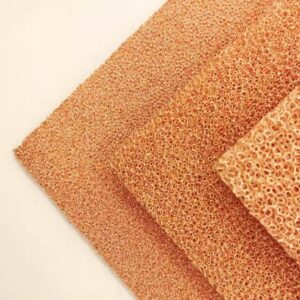
Atomfair Porous Copper Foam for Battery and Supercapacitor Research (100mm×100mm×0.15mm/100mm×100mm×0.2mm/300mm×200mm×1.0mm/200mm×300mm×1.5mm/200mm×300mm1.6mm)
-
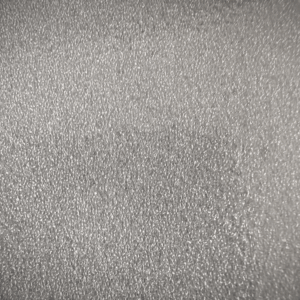
Atomfair Foam Silver – A Metallic Porous Electrode & Catalyst Carrier Featuring 3D Structure and Efficient Heat Dissipation
-
Atomfair High-Purity Foam Cobalt – Research-Grade Porous Material for Battery Electrodes, Catalyst Supports & Electrochemical Experiments
-
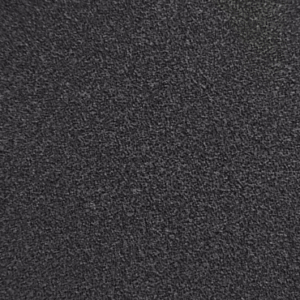
Atomfair Foam Carbon Research-Grade Porous Foam Carbon: High-Temp Insulation, Thermal/Electrical Conductivity, Precision Filtration Electrode
-

Atomfair High-Temperature & Corrosion-Resistant Porous Nickel-Cobalt (CoNi) Alloy Foam – Experimental-Grade Fuel Cell Electrode & Electrochemical Support
-
Atomfair Nickel-Iron Foam Alloy Porous Filter Material
-

Atomfair Porous Foam Titanium (micron-scale pore size) – a metallic material for scientific research experiments, applicable to separation, filtration, and gas purification
-
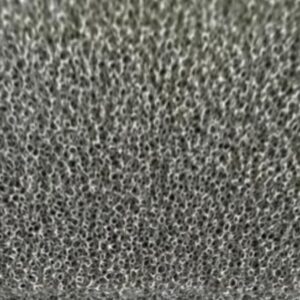
Atomfair Porous Nickel Foam for Battery and Supercapacitor Research
-
Atomfair Scientific Research-Grade 3D Graphene Nickel Foam | 3D Graphene Framework