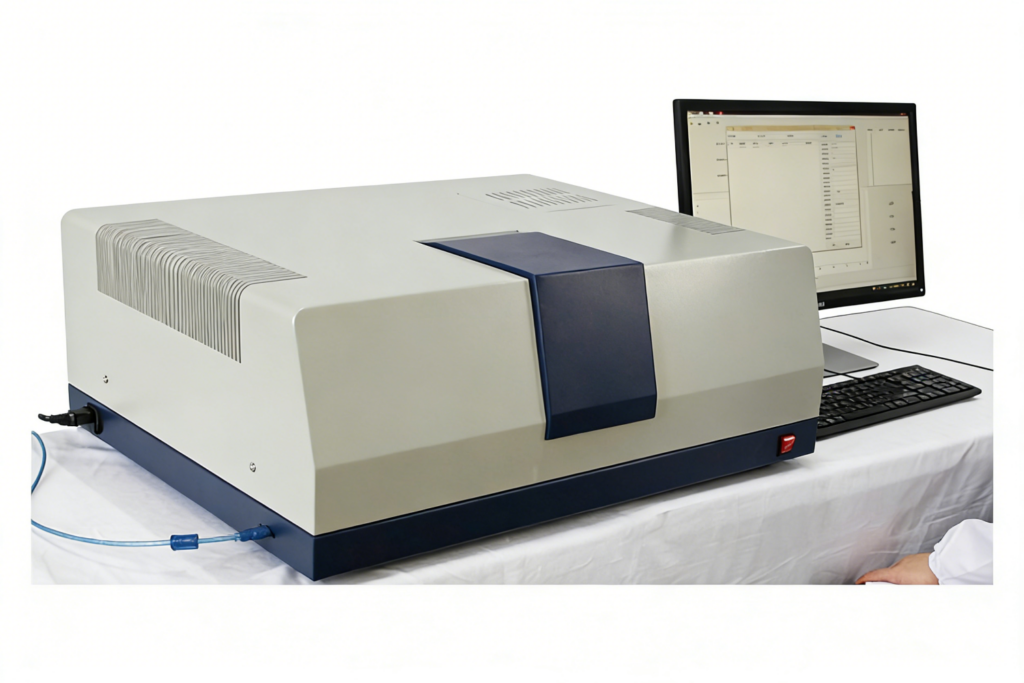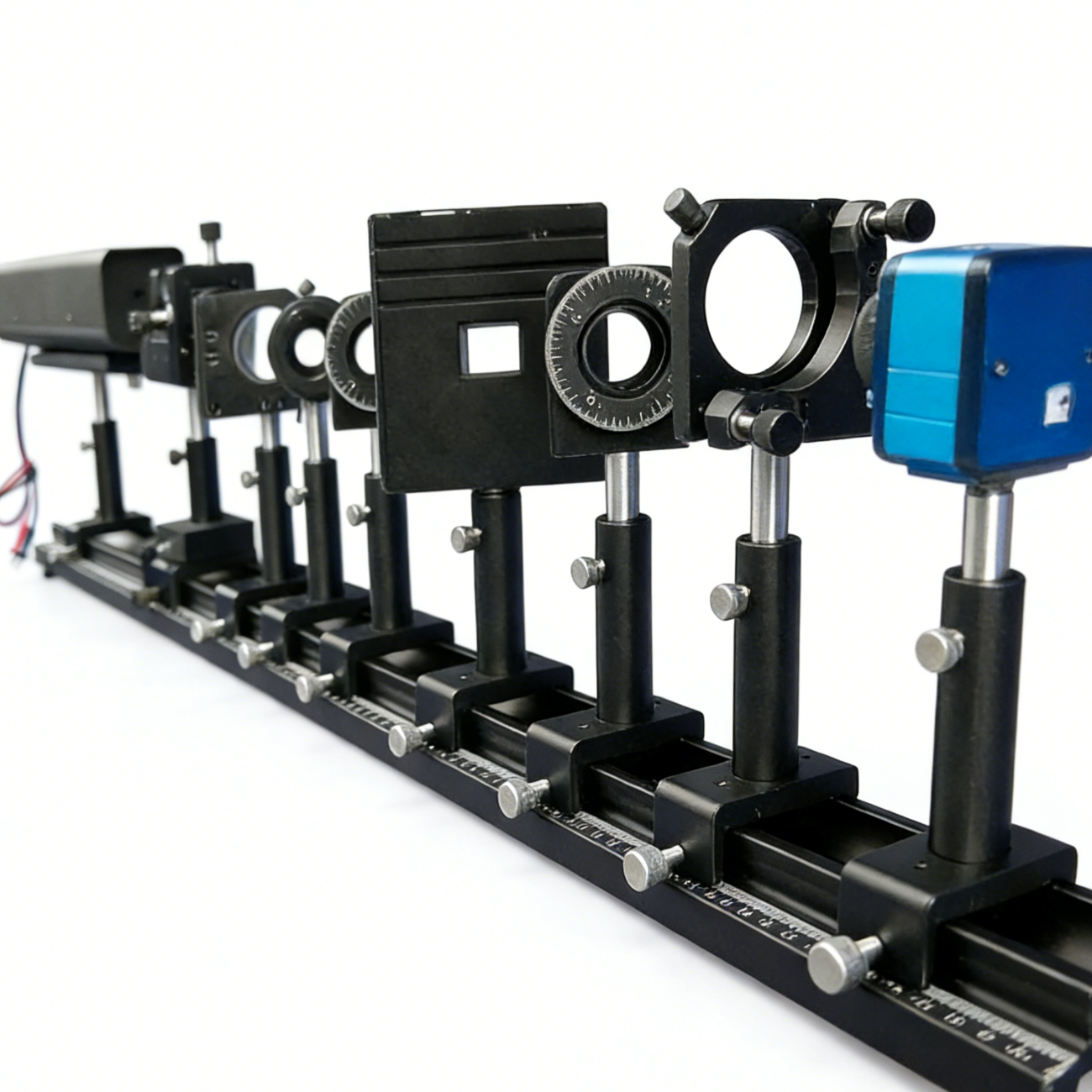
Atomfair LPA-825 Laser Parameter Analysis & Measurement Experiment System
1. Product Overview
Atomfair LPA-825 Laser Parameter Analysis & Measurement Experiment System is specially designed for the teaching of laser testing technology in majors such as optoelectronic information, optical engineering and applied physics in institutions of higher education. Focusing on the accurate measurement and analysis of core laser parameters, the system covers the detection of key indicators such as power, energy, wavelength, polarization state and beam quality. It helps students master the principles of laser parameter measurement, instrument operation and data evaluation methods, and meets the needs of laser testing teaching and basic scientific research verification at undergraduate and postgraduate levels.
2. Core Features
- Comprehensive parameter measurement dimensions: Supports multi-dimensional parameter detection such as laser power/energy, wavelength/spectrum, polarization state, beam quality (M² factor) and divergence angle, covering core laser performance indicators;
- High measurement accuracy: Power measurement accuracy ±0.5%, wavelength measurement accuracy ±0.1nm, complying with international accuracy standards for teaching-level laser detection equipment, with excellent data repeatability;
- Multi-light source compatibility: Adapt to mainstream teaching/research laser wavelengths such as 632.8nm (He-Ne laser), 532nm (green laser), 1064nm (infrared laser) and 1550nm (communication laser);
- Intelligent operation: Equipped with touch operation terminal and data acquisition software, supporting real-time data display, automatic recording and export, simplifying experimental operation and data analysis processes;
- Modular integration: Core detection modules (power meter, spectrometer, beam profiler, polarimeter) are independently integrated, supporting single-parameter or multi-parameter combined measurement to adapt to diverse experimental needs.
3. Main Experimental Content
- Laser power/energy measurement experiment (calibration and comparison of power meters with different ranges);
- Laser wavelength and spectral characteristics measurement experiment (verification of spectral resolution and wavelength accuracy);
- Laser polarization state measurement and control experiment (calculation of degree of polarization and extinction ratio);
- Laser beam quality (M² factor) measurement experiment (based on ISO 11146 international standard);
- Laser divergence angle and spot size measurement experiment (far-field/near-field spot analysis);
- Laser pulse parameter measurement experiment (calculation of pulse width, repetition frequency and peak power);
- Laser stability evaluation experiment (detection of long-term drift of power/wavelength);
- Comprehensive laser parameter analysis experiment (multi-index collaborative measurement and performance evaluation).
4. Core Knowledge Points
- Physical significance and measurement principles of core laser parameters such as power/energy and wavelength/spectrum;
- Measurement methods and data interpretation of laser beam quality (M² factor) under international standard (ISO 11146);
- Polarization state control principles and calculation logic of polarization parameters such as degree of polarization and extinction ratio;
- Detection principles of laser pulse parameters (pulse width, repetition frequency) and instrument selection basis;
- Definition and data analysis methods of laser stability evaluation indicators (drift, volatility);
- Thinking of multi-dimensional laser parameter collaborative analysis, and comprehensive evaluation logic of overall laser performance.
5. Specification Parameters (International Standard)
- Power measurement: Range 0.1mW~20W, accuracy ±0.5%, complying with international laser power meter calibration specifications;
- Wavelength measurement: Coverage 400~1600nm, accuracy ±0.1nm, spectral resolution ≤0.5nm, compatible with international spectral detection standards;
- Beam quality measurement: Following ISO 11146 international standard, M² factor measurement error ≤0.05, spot size resolution ≤5μm;
- Polarization measurement: Degree of polarization measurement accuracy ±0.1%, extinction ratio measurement range 0~60dB, complying with international polarization detection specifications;
- Environmental adaptability: Operating temperature 10~35℃, relative humidity ≤75%, meeting international environmental requirements for teaching experimental equipment;
- Safety standards: Laser protection level complies with Class 1M international laser safety specifications, and electrical parts follow IEC 61010 teaching equipment safety standards.
6. Main Configuration
| Core Components | Auxiliary Accessories |
|---|---|
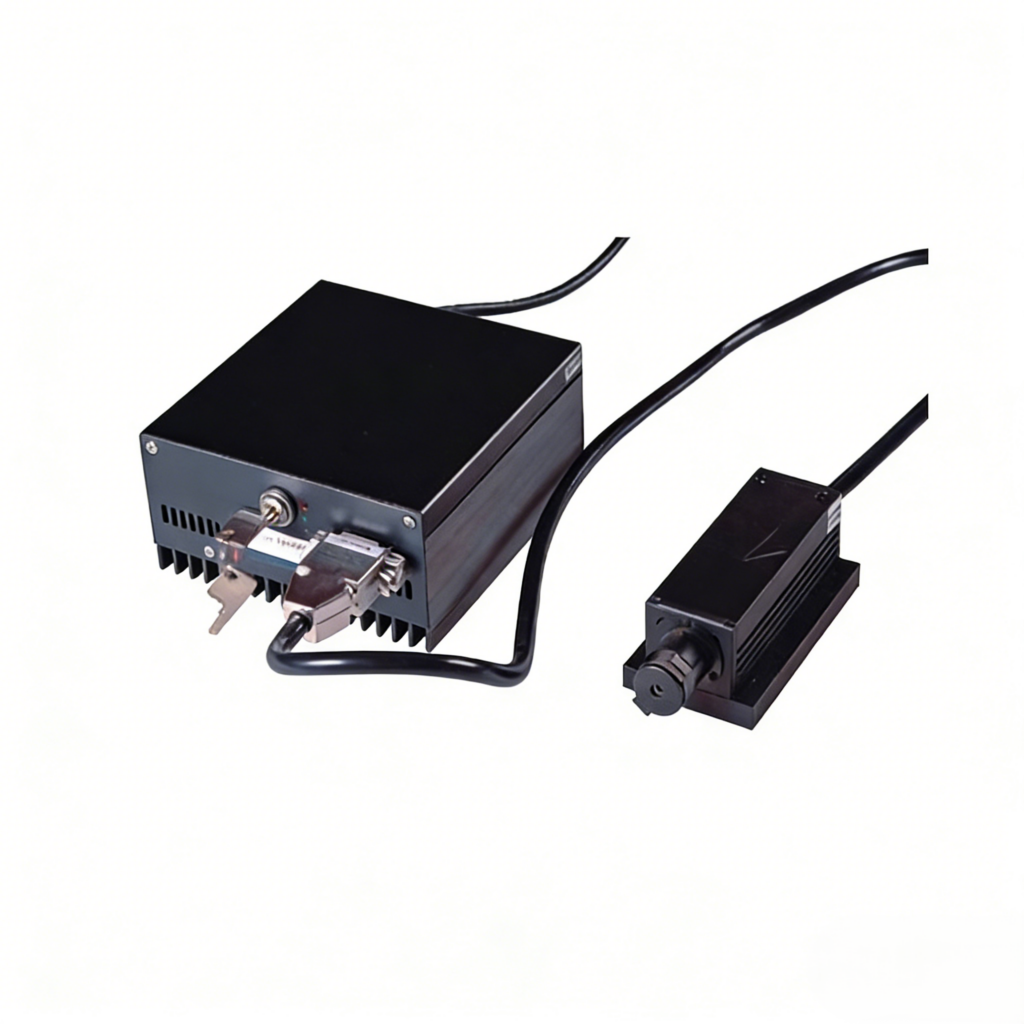
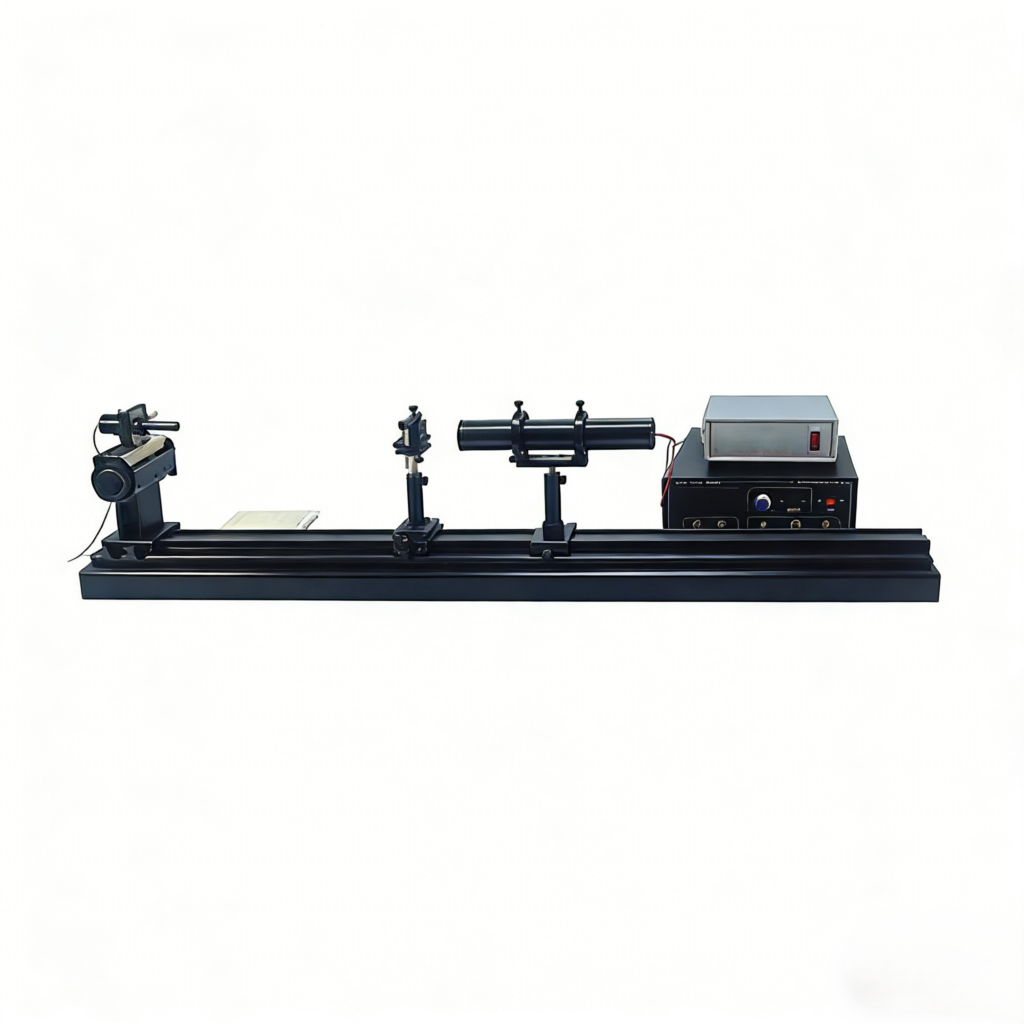
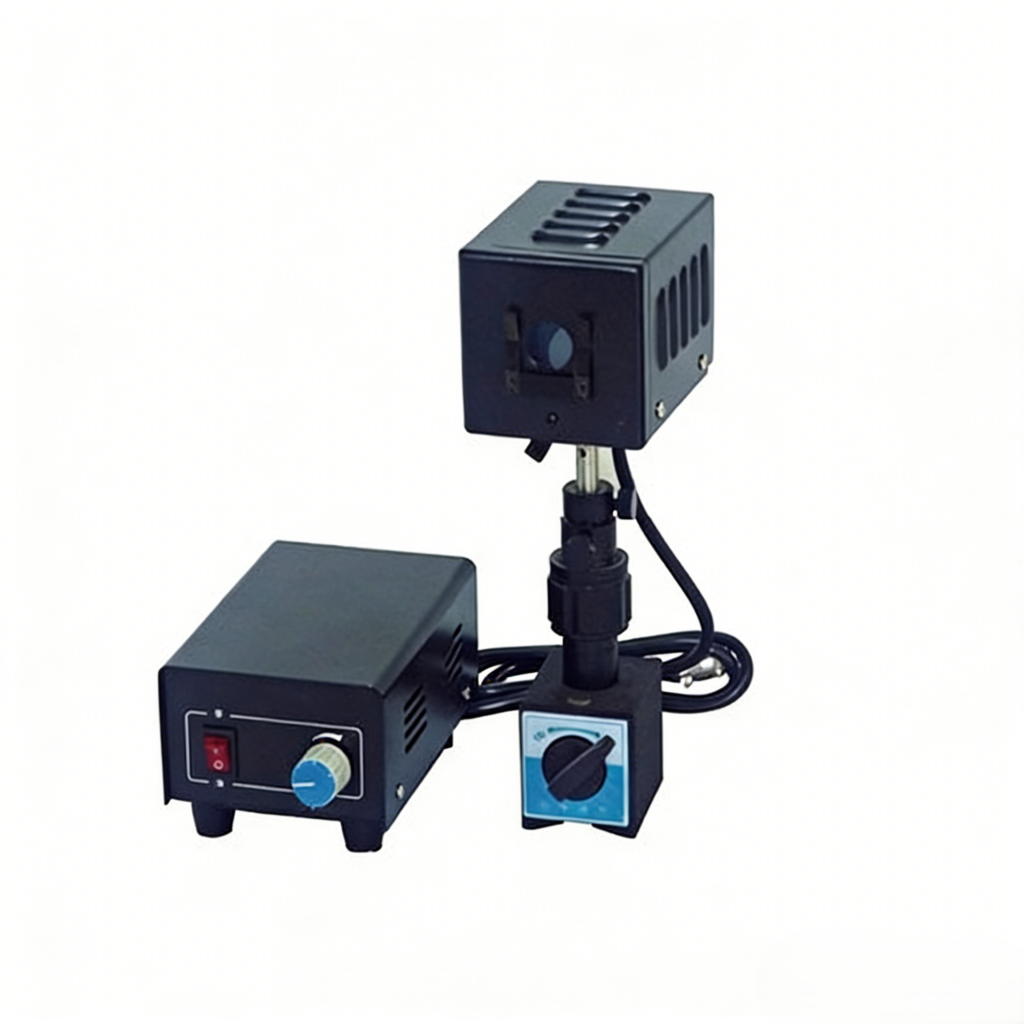
| LPA-825 experimental host | Multi-wavelength laser calibration source |
| High-precision laser power meter | Optical fiber coupler (FC/SC interfaces) |
| Mini spectrometer (400~1600nm) | Laser spot imaging component |
| M² factor beam profiler | Polarizer/waveplate set |
| Pulse parameter tester | Data transmission cable |
| Touch operation terminal | Optical adjustment frame (multi-dimensional adjustment) |
7. Customization Services
- Range customization: Customize power/wavelength measurement ranges according to teaching/research needs to adapt to special laser parameter detection;
- Experiment expansion: Add special parameter measurement experimental projects such as ultra-short pulse and high-power laser;
- Software customization: Customize multi-language data acquisition and analysis software to adapt to overseas teaching scenarios;
- Technical support: Provide overseas equipment calibration, operation training and remote troubleshooting services.
If you’re interested, have any questions, or have specific customization requirements, please feel free to contact us at inquiry@atomfair.com.
Operate within the specified ambient temperature range of 10 to 35 °C and maintain relative humidity at or below 75 % to ensure stable measurement performance. The system complies with Class 1M laser safety standards and IEC 61010 electrical safety guidelines for teaching equipment.
- Environmental Conditions: Operate only within the specified ambient temperature range of 10 to 35 °C.
- Humidity Limit: Ensure relative humidity does not exceed 75 % during use.
- Laser Safety Compliance: The system complies with Class 1M laser safety specifications; avoid direct eye exposure.
- Electrical Safety Standards: The electrical design follows IEC 61010 safety standards for teaching equipment.
What is the measurement accuracy of the LPA-825's power meter for low-power laser beams near 0.1 mW?
The power measurement accuracy is ±0.5% over the full range of 0.1 mW to 20 W, complying with international laser power meter calibration specifications. This accuracy is maintained across the entire dynamic range, including low-power measurements, ensuring reliable data for teaching and research applications.
Can the LPA-825 system measure both beam quality (M² factor) and pulse parameters for pulsed lasers?
Yes, the system includes a pulse parameter tester for measuring pulse width, repetition frequency, and peak power, and a beam profiler that measures the M² factor following ISO 11146 international standard with a measurement error ≤0.05. The modular design supports combined measurement of pulse and beam parameters for pulsed lasers within the compatible wavelength range (e.g., 532 nm, 1064 nm, 1550 nm).
What safety certifications and environmental conditions are required for operating the LPA-825 system?
The LPA-825 complies with Class 1M international laser safety specifications and IEC 61010 teaching equipment safety standards. It operates reliably at 10–35 °C with relative humidity ≤75%, meeting international environmental standards for laboratory educational equipment.
The LPA-825 integrates power, wavelength, polarization, and M² beam quality measurement into a single modular platform, with accuracy specs (power ±0.5%, wavelength ±0.1 nm, M² error ≤0.05) that meet teaching-grade international standards. Its multi-wavelength source compatibility (632.8/532/1064/1550 nm) and ISO 11146-based beam profiling make it a practical benchtop system for undergraduate and postgraduate laser metrology labs, though its 10–35°C operating range and Class 1M laser safety classification impose environmental and handling constraints.
Positive
- Multi-parameter laser metrology integration: Combines power/energy, wavelength/spectrum, polarization, and M² beam quality measurement in one modular host, enabling comprehensive laser characterization without multiple standalone instruments.
- Teaching-grade accuracy with ISO compliance: Power accuracy ±0.5%, wavelength accuracy ±0.1 nm, and M² error ≤0.05 align with international teaching standards, while beam quality measurement follows ISO 11146, ensuring reproducible and defensible data for academic labs.
Trade-offs
- Narrow environmental operating envelope: Rated for 10–35°C and ≤75% relative humidity, the system requires climate-controlled lab conditions; exceeding these limits can degrade measurement stability and accuracy.
- Class 1M laser safety handling requirements: Class 1M classification means the laser output can be hazardous if viewed with optical instruments; users must implement appropriate beam containment and eye-safety protocols during alignment and measurement.
Every advanced material, component, equipment, and instrument in our catalog is backed by rigorous testing. We maintain strict internal quality management frameworks and align with CE conformity metrics to deliver transparent, reproducible performance data via our public open-science repository.
To request raw batch performance data, submit formal vendor registration paperwork, or execute a fast-turnaround R&D manufacturing loop, contact us at inquiry@atomfair.com.
Item is dispatched under the Atomfair Shipping & Delivery Framework (Free worldwide shipping on orders over $59 USD excl. heavy equipment). Return is governed by the Atomfair Return & Refund Policy (7-day technical return window).