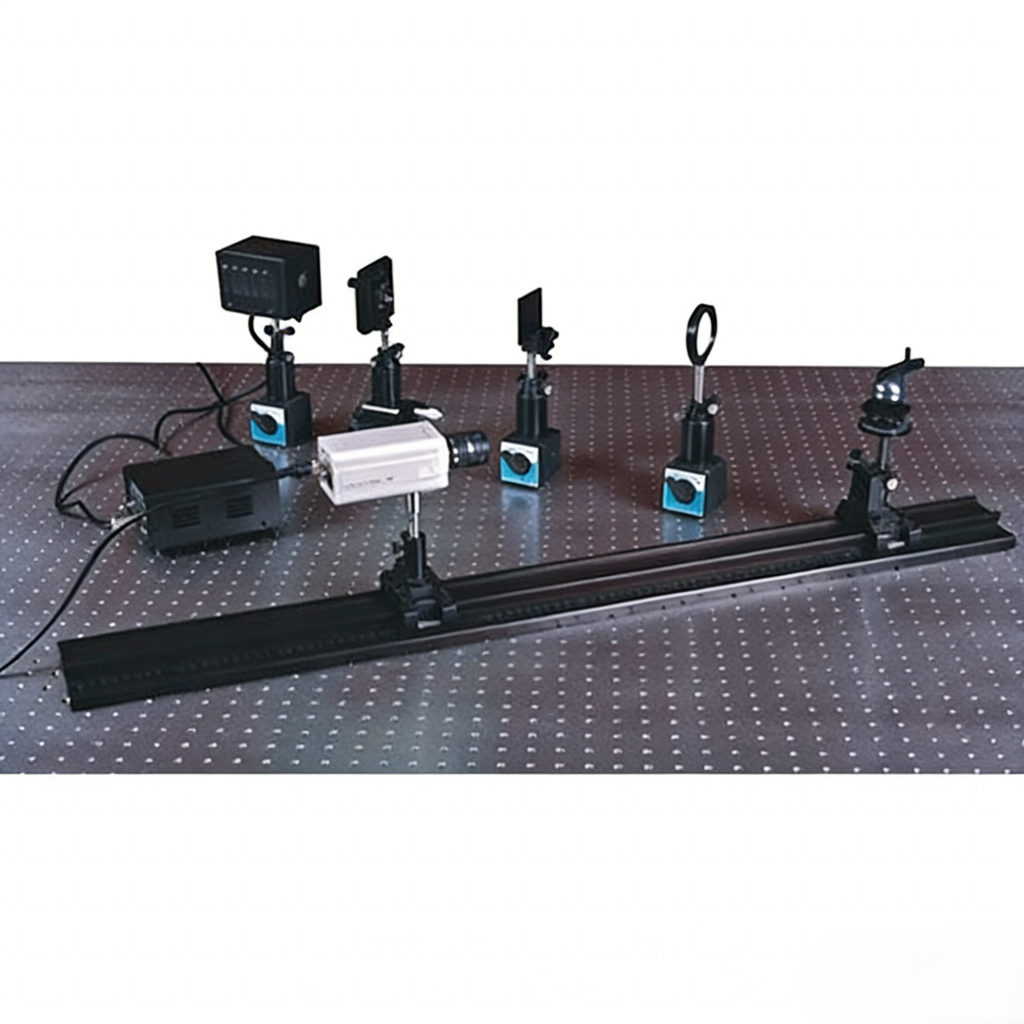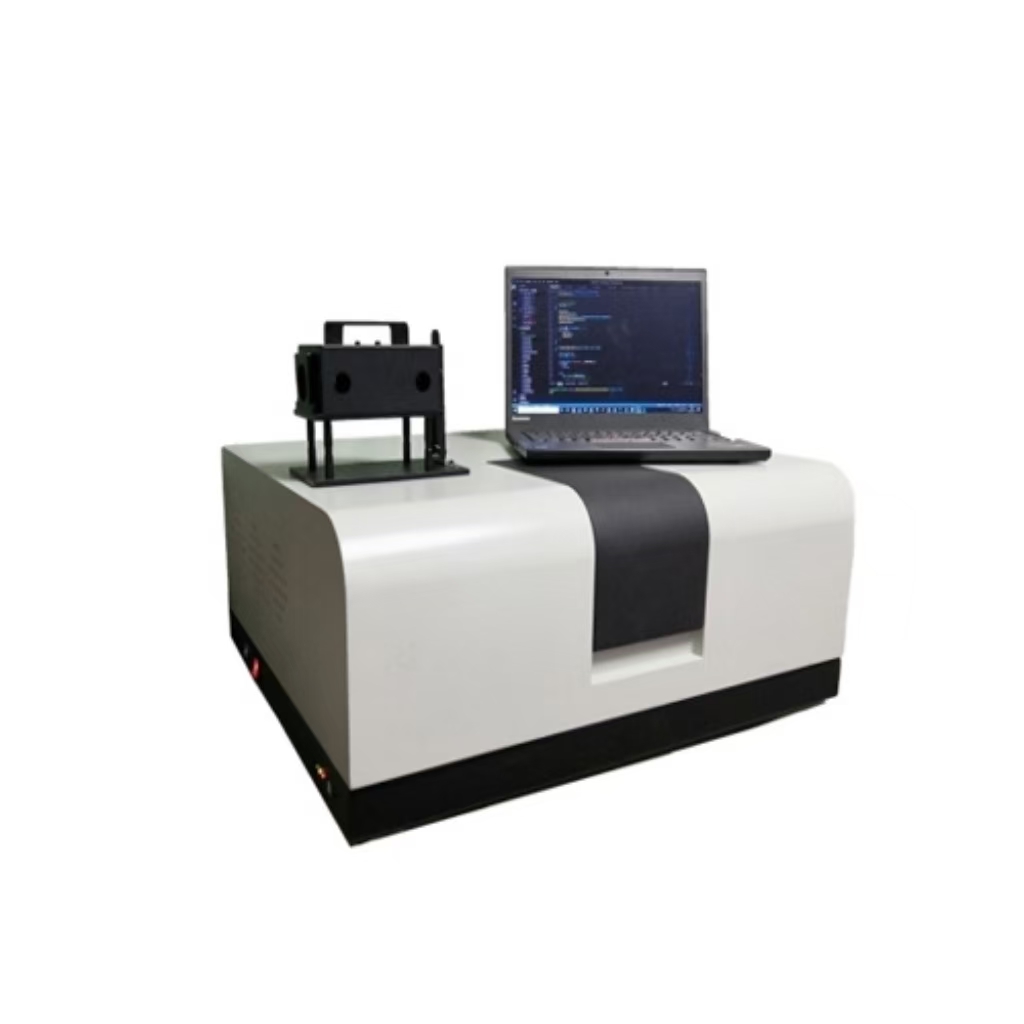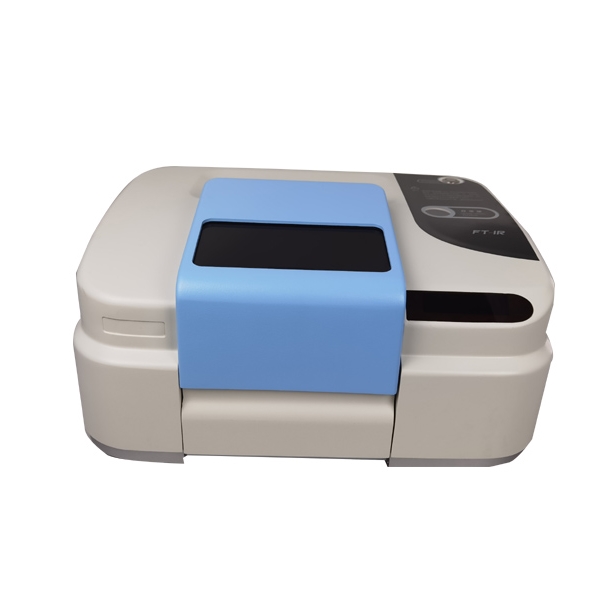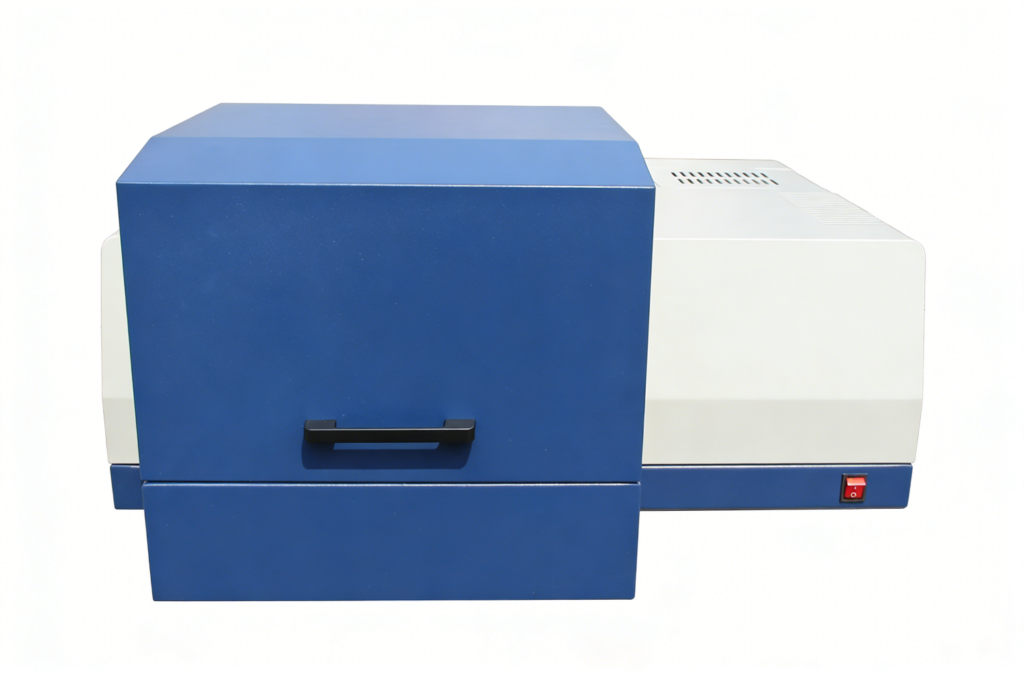
Atomfair WOP-DIP-638 Color-Coded Photography Experiment System
Product Overview
The Atomfair WOP-DIP-638 Color-Coded Photography Experiment System is a high-performance educational laboratory equipment categorized under Fourier Information Optics. Launched in July 2017, it integrates cutting-edge optical and digital image processing technologies to provide an immersive and comprehensive learning experience for physics and advanced physics students.
Built on the foundations of θ-modulation theory, Fourier transform theory, and computer digital image processing technology, this system adopts two innovative technologies: white light information processing for “color photography using black-and-white photosensitive film” and “digital decoding of color-coded images”. It consists of three core modules: color-coded photography, optical decoding, and digital decoding, enabling a seamless combination of theoretical knowledge and practical operation.
Key Features
Comprehensive Processing Capabilities: Supports pure optical processing, optical/digital hybrid processing, and real-time digital image processing, offering exceptional flexibility to adapt to diverse experimental requirements.
Theory-Practice Integration: Bridges the gap between classroom learning and hands-on experimentation, helping students deepen their understanding of key optical and digital image processing concepts through practical operation.
Widely Recognized by Educators and Students: A trusted teaching tool in academic settings, praised for its ability to enhance learning outcomes and experimental engagement.
What You Will Learn
Through experiments with this system, students will gain in-depth knowledge of the following key areas:
- Optical information processing: Transmission, transformation, encoding, decoding, filtering, reproduction, storage, recording, extraction, recognition, recovery, and computation.
- Fundamental optical principles: Geometric optical imaging, imaging physical mechanisms, Fourier transform properties of optical systems, spectral concepts in optical information processing, and the physical effects of spectral filtering.
- Color imaging technology: Principles of color imaging and digital computation-based color decoding of optical images.
- Related disciplines: Photometry, colorimetry, and computer image processing technology.
Standard Configuration & Specifications (International Standards)
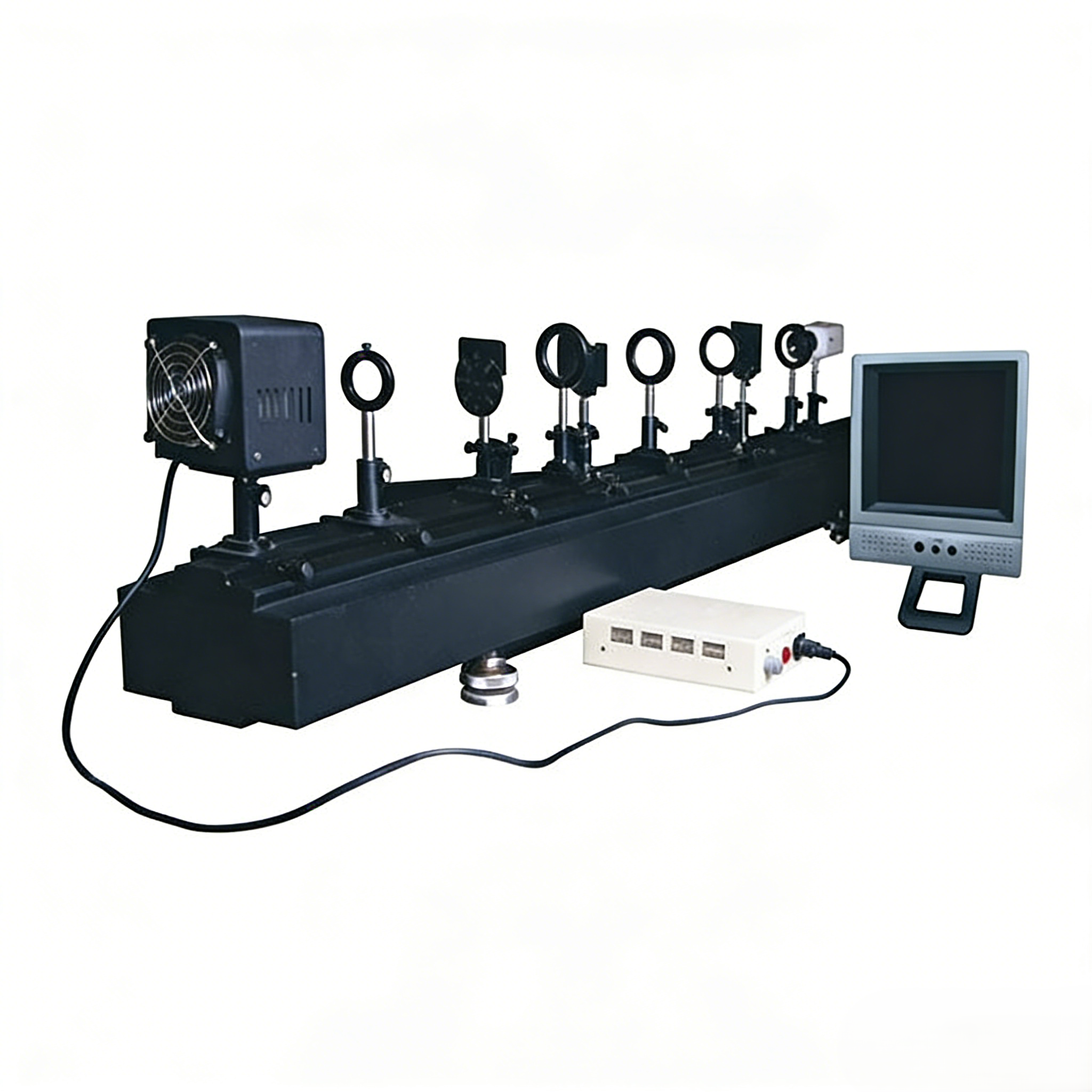
| No. | Name | Specifications |
|---|---|---|
| 1 | Light Source | 75W Tungsten Bromide Lamp, Adjustable Brightness |
| 2 | Condenser Lens | Focal Length f=70mm |
| 3 | 4f System Lens | Focal Length f=190mm, Double-Gauss Lens |
| 4 | Multi-Hole Plate | Light Transmission Aperture: 0.1mm±1.5mm |
| 5 | Special Guide Rail | Length: 1.8m |
| 6 | Monitor | 8-inch LCD Display, Resolution 800×600 |
| 7 | Filter | Red, Green, Blue Three-Color Filters |
| 8 | CCD Camera | PAL Format, Power Supply DC12V, 1000mA |
| 9 | Other Accessories | Sliders, Lens Holders, Plate Holders, White Screen, Black-and-White Coding Plates |
Note: The above configuration and parameters are for reference only. Please refer to the product packing list for the actual specifications. Minor adjustments may be made without prior notice.
Optional Accessories
| No. | Name | Specifications |
|---|---|---|
| 1 | Computer | Dual-Core 2.5GHz, 200G Hard Disk, 3G RAM, Independent Graphics Card |
| 2 | Display | LCD Monitor |
| 3 | Printer | – |
Application Scenarios
Ideal for educational institutions, research laboratories, and training centers offering physics and advanced physics courses. It serves as a core experimental tool for teaching optical information processing, digital image processing, and related disciplines, helping students develop practical skills and a deeper understanding of theoretical concepts.
If you’re interested, have any questions, or have specific customization requirements, please feel free to contact us at inquiry@atomfair.com.
What is the role of the multi-hole plate in the Atomfair WOP-DIP-638 color-coded photography system, and what is its specified aperture tolerance?
The multi-hole plate is a critical component for spatial filtering in the optical decoding module, enabling the selection of diffraction orders during Fourier filtering. The system specifies a light transmission aperture of 0.1mm with a tolerance of ±1.5mm, which is essential for precise spectral plane manipulation in θ-modulation experiments.
How does the WOP-DIP-638 integrate optical and digital decoding, and what are the implications for experimental flexibility?
The system supports pure optical processing, optical/digital hybrid processing, and real-time digital image processing, allowing users to compare classical Fourier filtering with computational decoding. This dual-mode capability is built on θ-modulation and Fourier transform theory, enabling a seamless transition from white-light optical decoding to digital color image reconstruction using the included CCD camera and 8-inch LCD monitor.
What are the key infrastructure and handling requirements for setting up the WOP-DIP-638 in a teaching laboratory?
The system requires a 1.8m special guide rail for optical alignment, a 75W tungsten bromide lamp with adjustable brightness, and a PAL-format CCD camera powered by DC12V at 1000mA. The 4f system uses a double-Gauss lens with f=190mm, and the condenser lens has f=70mm, so adequate optical bench space and a stable darkroom environment are necessary for optimal performance.
The Atomfair WOP-DIP-638 integrates white-light θ-modulation encoding with optical and digital decoding paths, enabling color photography from black-and-white film and real-time digital image processing in a single 4f optical train. Its 1.8 m guide rail and 75 W tungsten-bromide source support full Fourier-plane filtering experiments, but the system demands a controlled dark environment and a PAL-format CCD for optimal signal fidelity.
Positive
- Hybrid optical-digital processing: Supports pure optical, optical/digital hybrid, and real-time digital decoding, allowing flexible adaptation to diverse experimental protocols in Fourier information optics.
- Integrated 4f system with monitoring: Includes a 190 mm double-Gauss 4f lens, 0.1 mm multi-hole plate, and 8-inch LCD monitor, enabling direct visualization of spectral filtering and color-coded image reconstruction.
Trade-offs
- Requires controlled dark environment: The 75 W tungsten-bromide source and CCD-based detection are sensitive to ambient light; experiments must be conducted in a darkened room to maintain image contrast and avoid stray-light artifacts.
- PAL-format CCD integration constraint: The included CCD camera outputs PAL video, which may require frame grabbers or converters for digital processing on non-PAL computer systems, adding infrastructure complexity.
Every advanced material, component, equipment, and instrument in our catalog is backed by rigorous testing. We maintain strict internal quality management frameworks and align with CE conformity metrics to deliver transparent, reproducible performance data via our public open-science repository.
To request raw batch performance data, submit formal vendor registration paperwork, or execute a fast-turnaround R&D manufacturing loop, contact us at inquiry@atomfair.com.
Item is dispatched under the Atomfair Shipping & Delivery Framework (Free worldwide shipping on orders over $59 USD excl. heavy equipment). Return is governed by the Atomfair Return & Refund Policy (7-day technical return window).