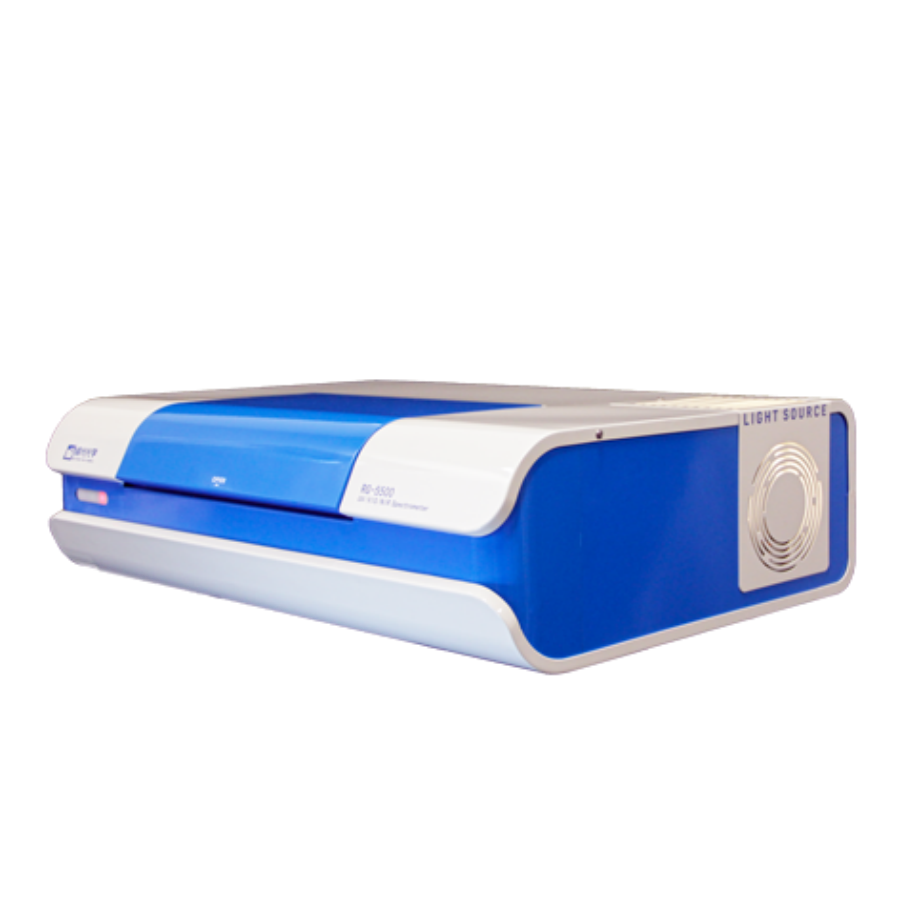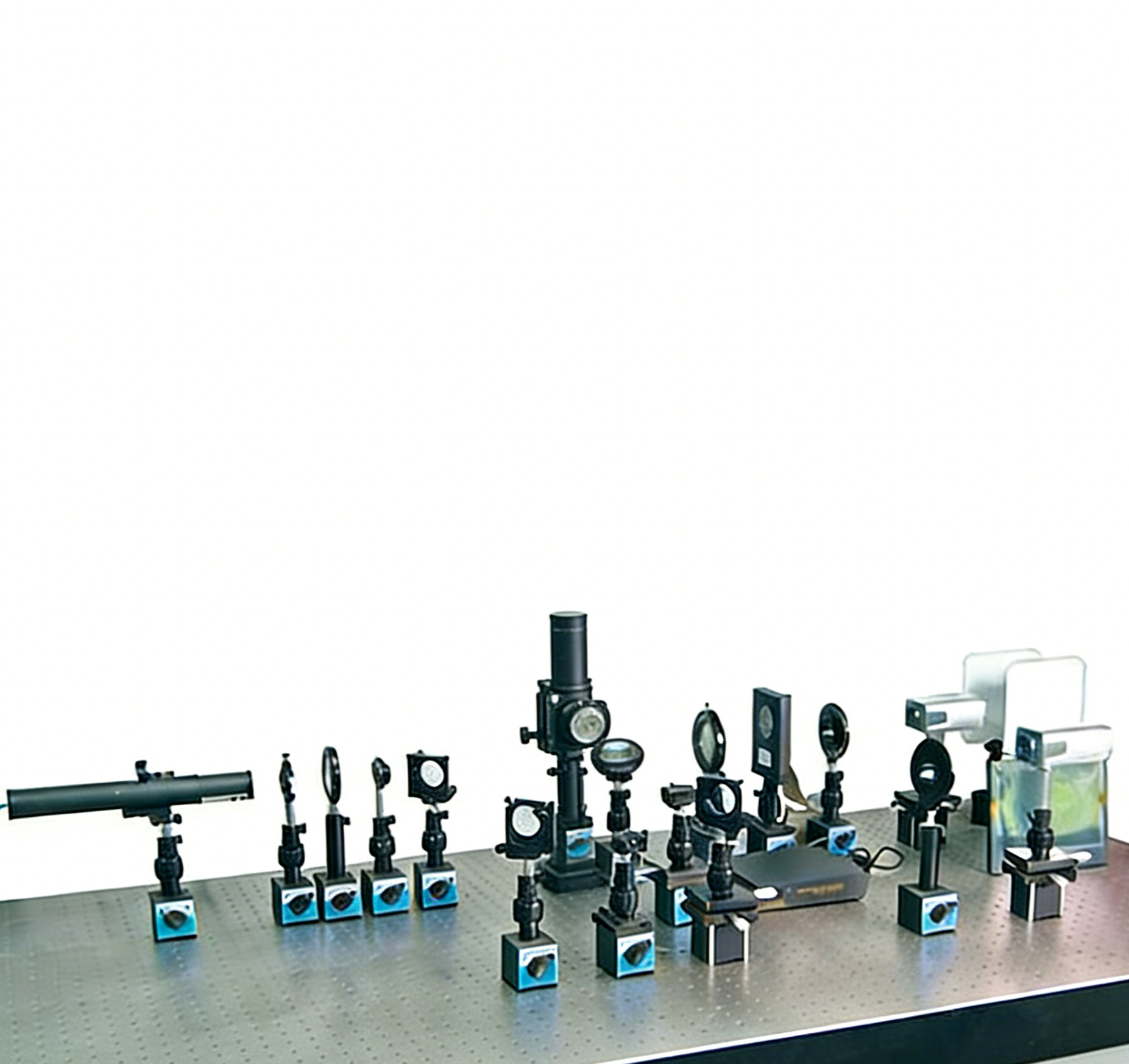
Atomfair JFTIR 5821 Joint Fourier Transform Correlation Image Recognition Experimental System
Product Overview
Atomfair JFTIR 5821 is an advanced experimental system dedicated to Fourier information optics. It adopts cutting-edge joint Fourier transform image recognition technology, which has become a powerful tool in the information age for efficiently processing massive data. Please note that some models of this product do not include the information optics experiment module. Whether for academic research, laboratory teaching, or technical development, this system offers reliable performance and comprehensive functionality to meet diverse user needs.
Key Features
- High Information Throughput: Capable of processing large volumes of data efficiently, significantly improving information analysis efficiency.
- Fast Processing Speed: Adopts advanced technical principles to achieve rapid recognition and processing of images, saving valuable time for users.
- High Recognition Accuracy: Ensures precise identification results, providing solid support for scientific research and experimental teaching.
- Wide Application Prospects: Has achieved important application results in multiple fields, with great potential for expansion in future technological development.
Experimental Learning Objectives
- Deeply understand the core principles of Fourier transform image recognition, laying a solid theoretical foundation for related research and practice.
- Proficiently master the construction methods of basic Fourier transform image recognition systems, enhancing practical operational capabilities.
Standard Configuration & Specifications (International Standards)
| No. | Name | Specifications |
|---|---|---|
| 1 | Light Source | Helium laser (632.8nm, with Brewster window); Mercury lamp (height-adjustable); Tungsten-halogen lamp (brightness-adjustable) |
| 2 | Liquid Crystal Light Valve | Resolution: 1024×768 |
| 3 | CCD Camera | 1/3 inch, 420 TV Lines, 0.2 lux, Power Supply: 12V DC |
| 4 | Image Acquisition Card | Minimum Resolution: 640×480×16 bits |
| 5 | Fourier Lens | Focal Length: 300mm, 60mm |
| 6 | Monitor | LCD TV, 8 inches |
| 7 | Video Adapter | 1-to-4 interface design |
| 8 | Spatial Filter | 40× objective lens, 25μm small hole |
| 9 | Optical Components | Including lenses, polarizers, beam splitters, plane mirrors, gratings, prisms, etc. |
| 10 | Adjustment Frames | Including tubular two-dimensional frames, translation bases, lifting adjustment bases, universal bases, lens holders, white screens, polarizer holders, grating turntables, stage platforms, micrometer eyepiece brackets, spectral filters, single-sided rotatable slits, ground glass screens, paper clamps, diaphragms, etc. |
| 11 | Other Accessories | Including recognition objects, spectral filters, stepless beam splitters, holographic plates, small objects, grid characters, transparent crosses, modulation plates, etc. |
Note: The above configurations and parameters are for reference only. Please refer to the product packing list for the actual specifications. Minor adjustments may be made without prior notice.
Optional Accessories
| No. | Name | Specifications |
|---|---|---|
| 1 | Computer | 2.5G dual-core processor, 200G hard disk, 3G memory, independent graphics card |
| 2 | Monitor | LCD monitor |
| 3 | Printer | Standard configuration |
| 4 | Optical Platform | Standard specifications |
Applications
- Academic Research: Ideal for researchers engaged in Fourier information optics, image recognition technology, and related fields to conduct in-depth experiments and technological innovation.
- Laboratory Teaching: Suitable for colleges and universities offering courses in information optics, optical engineering, and related disciplines, helping students combine theory with practice and improve their professional skills.
- Technical Development: Provides a reliable experimental platform for enterprises and research institutions involved in the research and development of image recognition technology, promoting the upgrading and innovation of related products and technologies.
If you’re interested, have any questions, or have specific customization requirements, please feel free to contact us at inquiry@atomfair.com.
Every advanced material, component, equipment, and instrument in our catalog is backed by rigorous testing. We maintain strict internal quality management frameworks and align with CE conformity metrics to deliver transparent, reproducible performance data via our public open-science repository.
To request raw batch performance data, submit formal vendor registration paperwork, or execute a fast-turnaround R&D manufacturing loop, contact us at inquiry@atomfair.com.
Item is dispatched under the Atomfair Shipping & Delivery Framework (Free worldwide shipping on orders over $59 USD excl. heavy equipment). Return is governed by the Atomfair Return & Refund Policy (7-day technical return window).