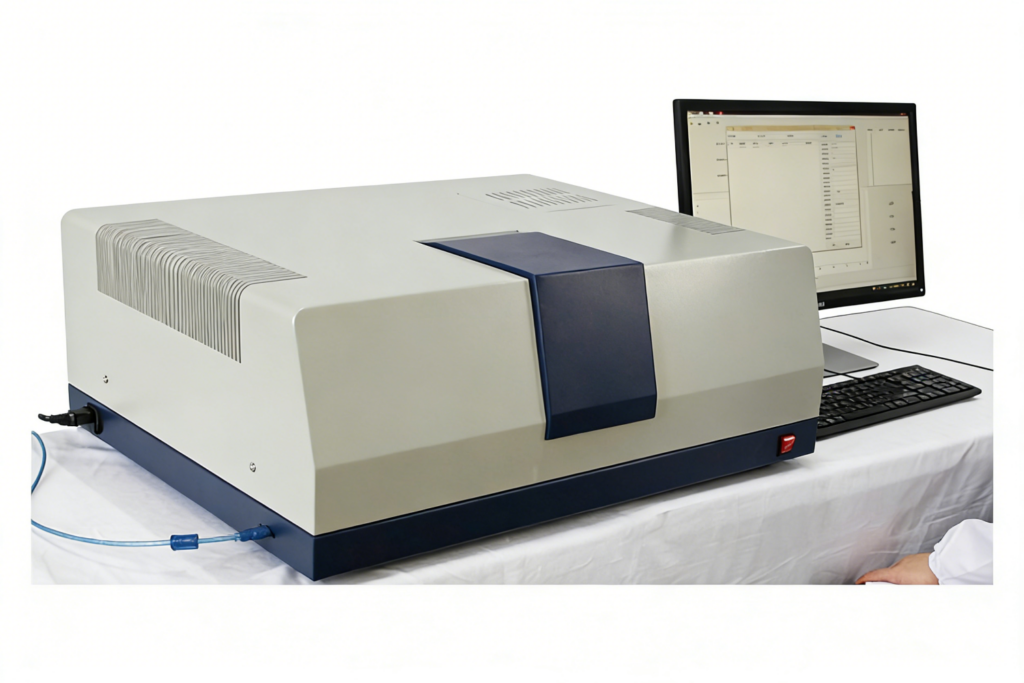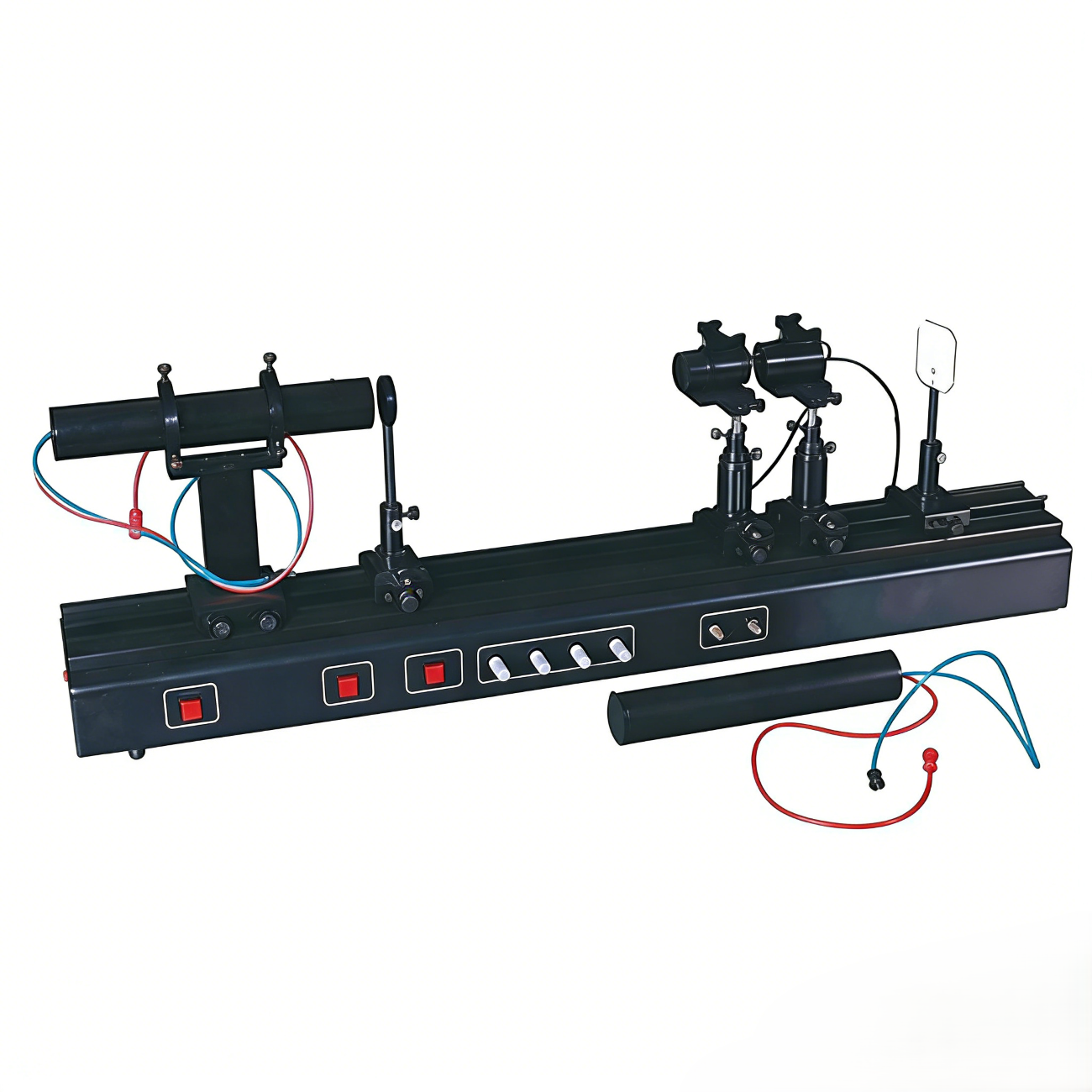
Atomfair-LMA-837 He-Ne Laser Mode Analysis Experimental Setup
Product Overview
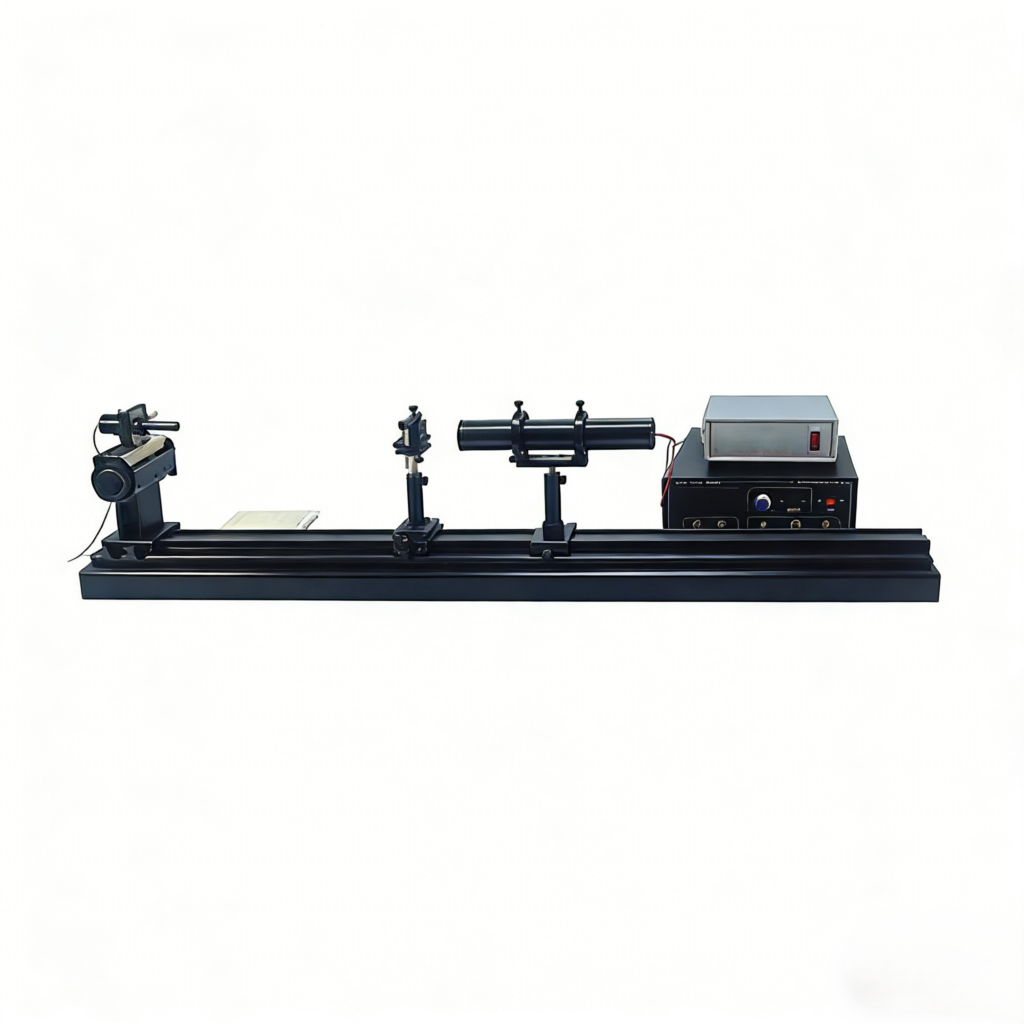
The Atomfair-LMA-837 He-Ne Laser Mode Analysis Experimental Setup belongs to the optoelectronics and laser category. Launched in July 2022, it is an essential performance testing equipment for laser production and application. It is specifically designed to detect the mode status of lasers, catering to the requirements for transverse and longitudinal modes of lasers in various scenarios such as precision measurement, holography technology, laser frequency stabilization, and laser ranging.
Key Product Features
- Computer-Controlled Operation: Equipped with a clear interface display, the device enables automatic recording of interference patterns, ensuring convenient and efficient operation.
- High Resolution: Effectively reduces the impact of noise on test results, guaranteeing high data accuracy.
- High-Sensitivity Photoelectric Receiver: Features a fast-response photoelectric receiver that accurately captures optical signals.
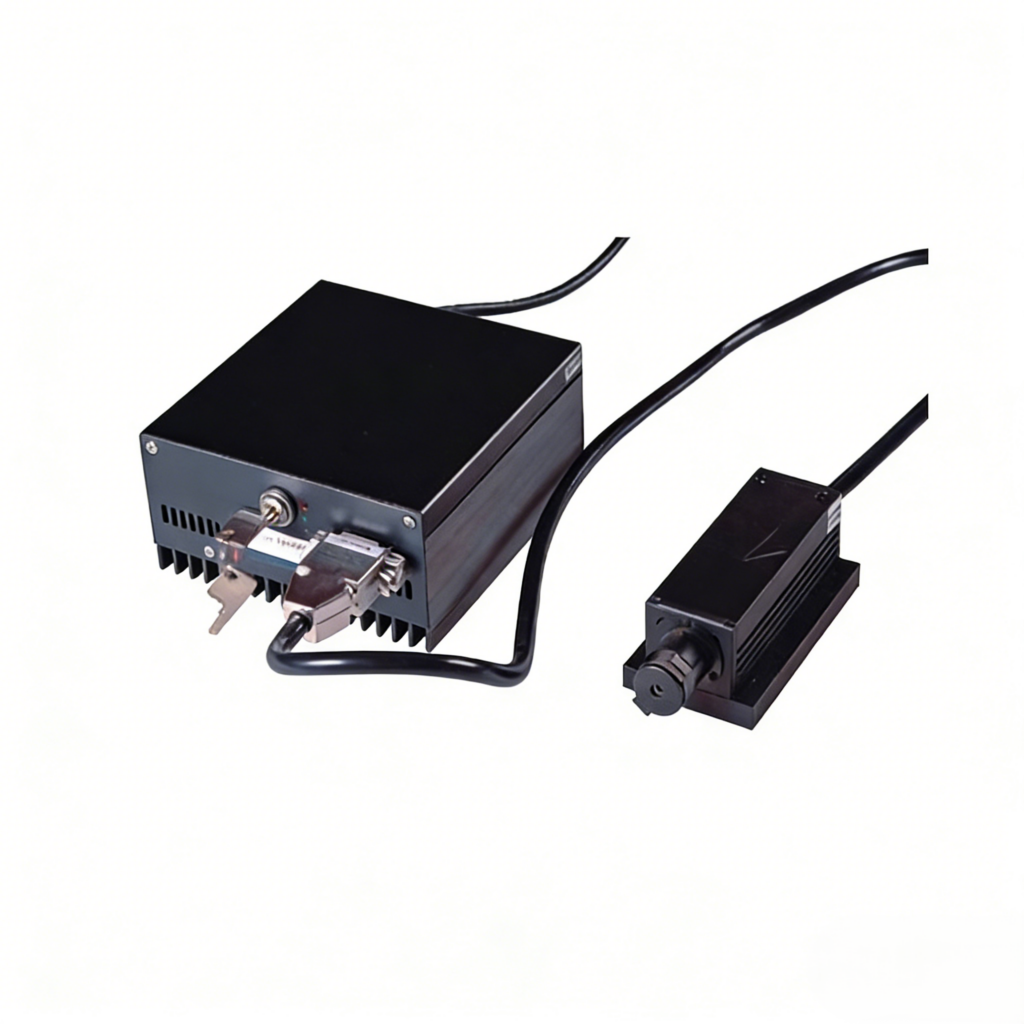
- Stable Light Source: Adopts a He-Ne laser with clear modes as the light source, providing a stable and reliable optical signal foundation for experiments.
- Easy Optical Path Adjustment: The optical path is easy to adjust, with stable operation and high measurement precision, meeting the needs of professional experiments and tests.
Core Experiment Contents
- Learn and master the working principle and operation method of the confocal spherical scanning interferometer.
- Observe the distribution characteristics of transverse and longitudinal modes of lasers, calculate the transverse mode spacing and longitudinal mode spacing based on relevant principles, and then infer the composition structure of the modes.
- Compare and observe the mode differences of different lasers.
Standard Configuration & Specifications
| No. | Name | Specifications |
|---|---|---|
| 1 | Optical Experiment Guide Rail | Length: 1 meter, made of hard aluminum profile; Built-in sawtooth wave generator: Output sine wave modulation amplitude: 0-250V continuously adjustable; Output DC bias voltage: 0-250V continuously adjustable; Output frequency: 20-50Hz |
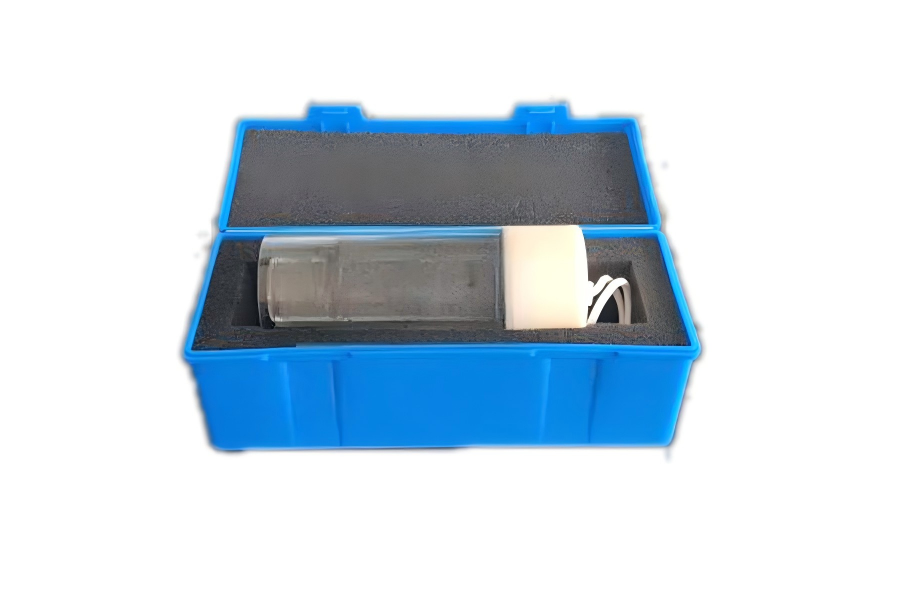
| 2 | He-Ne Laser | Resonator rear cavity curvature radius: 1m; Cavity length: 246mm; Central wavelength: 632.8nm; Output power: ≤1.5mW; Two laser tubes share one electrical box |
| 3 | Sliding Base | Includes sliding seat (1), sliding seat (2), and chute set |
| 4 | Clamping Tool | Tubular two-dimensional adjustment frame |
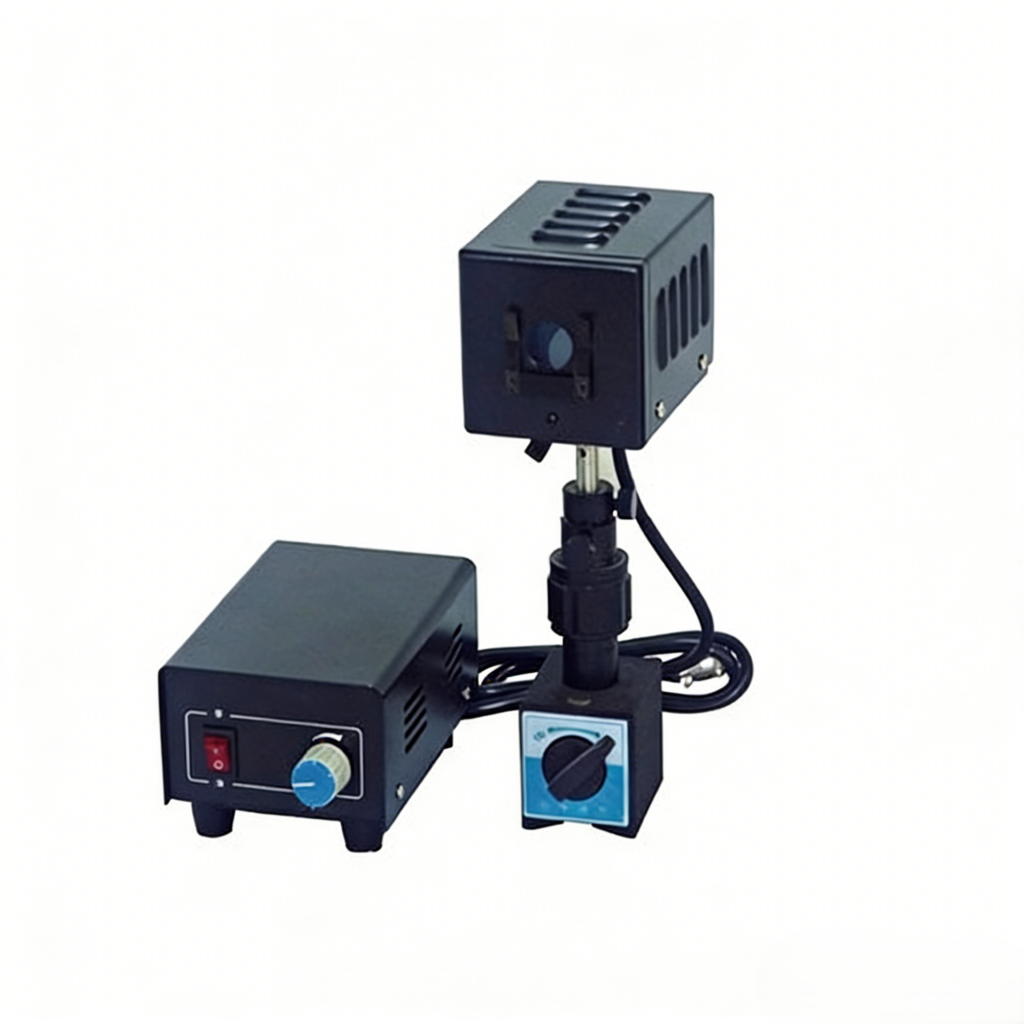
| 5 | Confocal Spherical Scanning Interferometer | Cavity length: 20.56mm; Concave mirror curvature radius: 20.56mm; Concave mirror reflectivity: 99%; Finesse: >100; Free spectral range: 3.75GHz |
| 6 | Other Accessories | Diaphragm, white screen, high-speed amplified receiver |
Note: The above configuration and parameters are for reference only. The actual product shall be subject to the packing list. Minor changes will not be notified separately.
Optional Configurations
| No. | Name | Specifications |
|---|---|---|
| 1 | Oscilloscope | 2.5G dual-core processor, 200G hard disk capacity, 3G running memory, equipped with independent graphics card |
| 2 | Display | LCD monitor |
| 3 | Printer | Standard configuration, no additional special specifications |
If you’re interested, have any questions, or have specific customization requirements, please feel free to contact us at inquiry@atomfair.com.
What are the key specifications of the confocal spherical scanning interferometer in the Atomfair-LMA-837 He-Ne Laser Mode Analysis Experimental Setup?
The confocal spherical scanning interferometer has a cavity length of 20.56 mm and concave mirror reflectivity of 99%. It achieves a finesse greater than 100 and a free spectral range of 3.75 GHz. These specifications enable high-resolution discrimination and measurement of transverse and longitudinal mode structures in the He-Ne laser.
How does the built-in sawtooth wave generator on the optical guide rail support mode analysis in the LMA-837?
The optical experiment guide rail includes a built-in sawtooth wave generator that outputs a sine wave modulation amplitude of 0–250 V continuously adjustable and an output frequency of 20–50 Hz. This generator drives the confocal scanning interferometer, enabling automatic recording of interference patterns through the computer-controlled interface for efficient mode analysis.
What are the output power and cavity parameters of the He-Ne laser supplied with the LMA-837 experimental setup?
The supplied He-Ne laser has a rear cavity curvature radius of 1 m, cavity length of 246 mm, central wavelength of 632.8 nm, and output power ≤1.5 mW. Two laser tubes share one electrical box, providing a stable, mode-clear light source for the entire experiment.
The Atomfair-LMA-837 He-Ne Laser Mode Analysis Experimental Setup integrates a 632.8nm He-Ne laser with a confocal spherical scanning interferometer (FSR 3.75GHz, finesse >100) to enable high-resolution transverse and longitudinal mode analysis. Its computer-controlled data acquisition and high-sensitivity receiver support precise mode spacing calculations, though the system requires a stable optical bench and external oscilloscope for full operation.
Positive
- High spectral resolution: The confocal spherical scanning interferometer with finesse >100 and 3.75GHz free spectral range enables precise discrimination of longitudinal and transverse modes, essential for frequency stabilization and holography applications.
- Automated data acquisition: Computer-controlled operation with automatic interference pattern recording reduces manual error and improves measurement repeatability, suitable for routine laser characterization in research or production.
Trade-offs
- Requires external oscilloscope: The standard configuration does not include an oscilloscope, which is necessary for viewing the interference signals and performing mode analysis; this adds an additional infrastructure requirement.
- Sensitive optical alignment: The system's performance depends on precise optical path adjustment and stable mechanical mounting; any misalignment or vibration can degrade measurement accuracy, requiring careful setup and a stable optical table.
Every advanced material, component, equipment, and instrument in our catalog is backed by rigorous testing. We maintain strict internal quality management frameworks and align with CE conformity metrics to deliver transparent, reproducible performance data via our public open-science repository.
To request raw batch performance data, submit formal vendor registration paperwork, or execute a fast-turnaround R&D manufacturing loop, contact us at inquiry@atomfair.com.
Item is dispatched under the Atomfair Shipping & Delivery Framework (Free worldwide shipping on orders over $59 USD excl. heavy equipment). Return is governed by the Atomfair Return & Refund Policy (7-day technical return window).