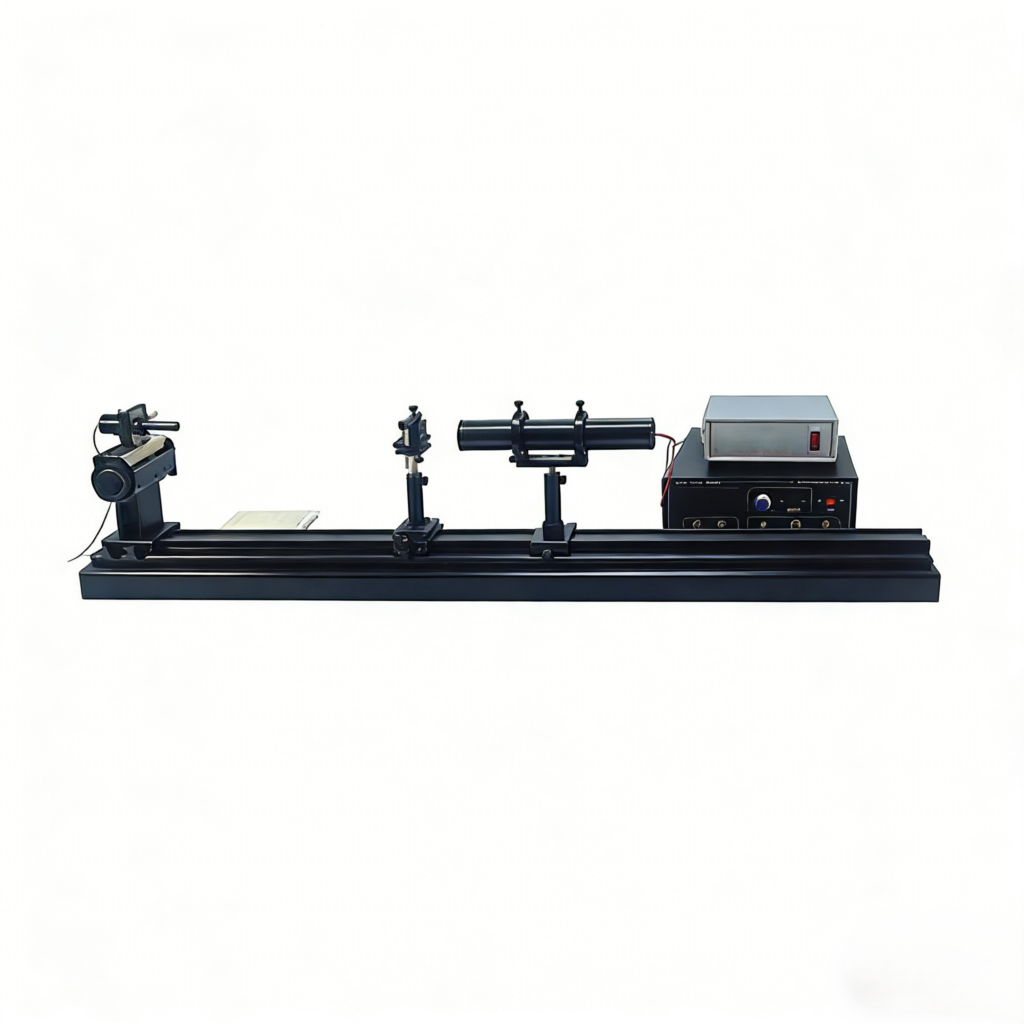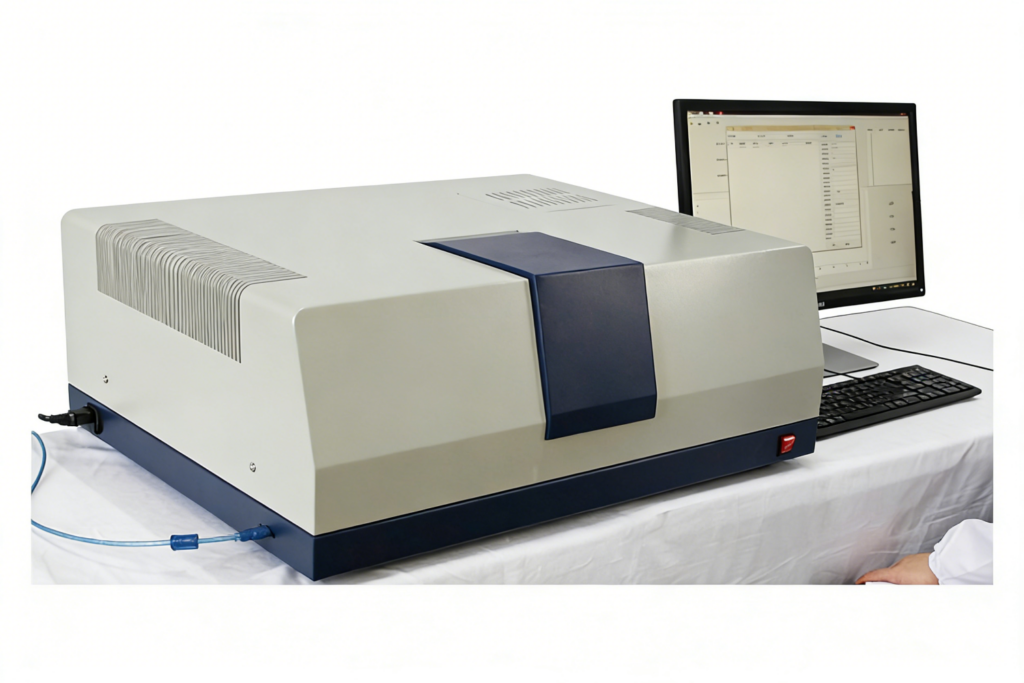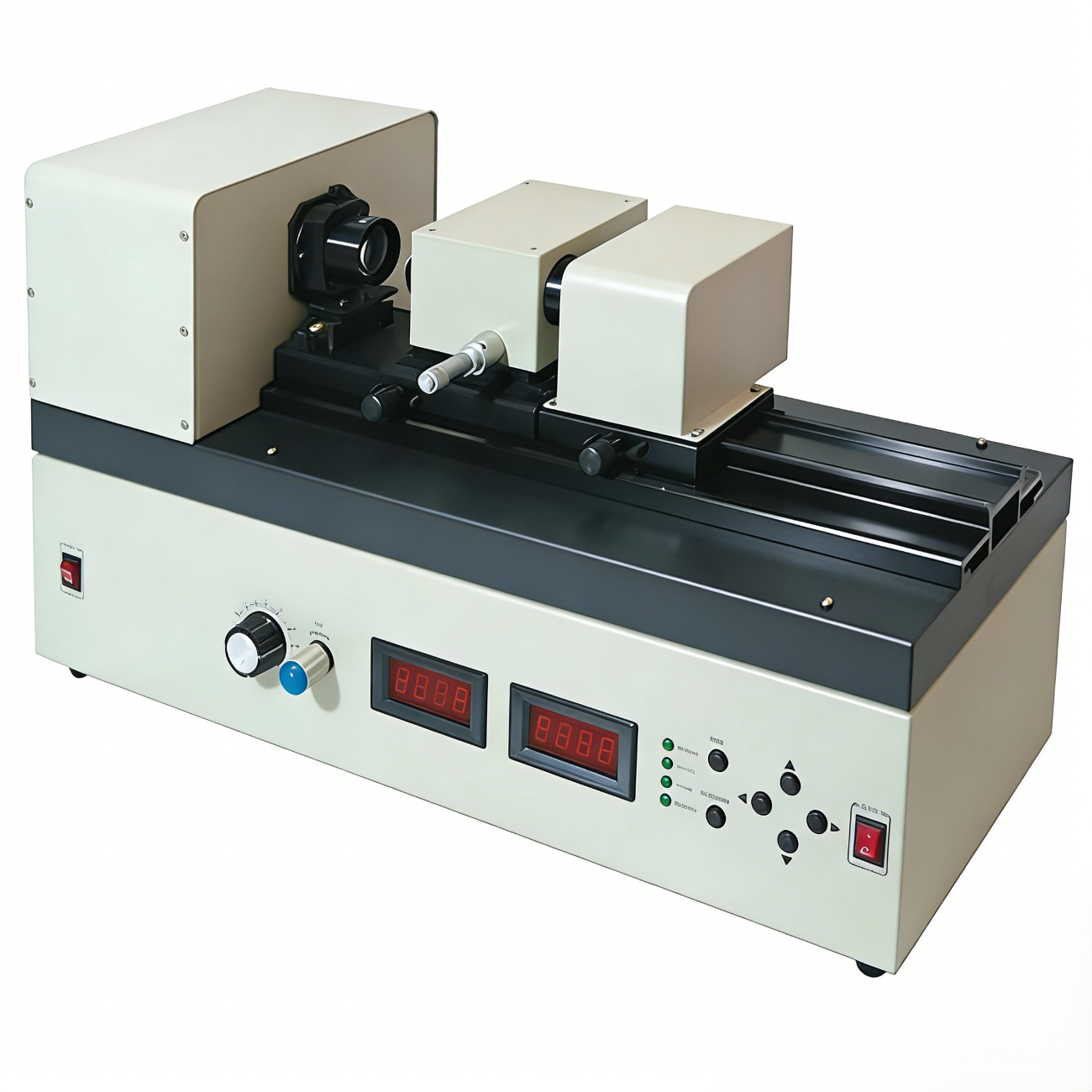
Atomfair-PE-628 Planck Constant Experiment Setup
Product Overview
Atomfair-PE-628 is a high-performance experimental instrument belonging to the optoelectronics and laser category, specifically designed for general physics experiments in colleges and universities. With advanced technical configurations and scientific experimental methods, it serves as an essential tool for students to explore the quantum nature of light and master photoelectric effect-related experimental technologies. Since its launch in July 2017, it has been widely recognized for its accuracy, ease of use, and rich experimental content.
Key Features
- Continuous Monochromatic Light Supply: Equipped with a grating monochromator, the device can continuously generate monochromatic light of different wavelengths. This ensures more comprehensive experimental data collection and significantly improves the accuracy of measurement results compared to traditional discrete wavelength light sources.
- Enriched Experimental Learning: The integrated monochromator allows students to not only conduct Planck constant measurement experiments but also gain in-depth understanding of the working principle and debugging methods of the monochromator during a single experiment. It effectively enriches the experimental learning content and broadens students’ technical horizons.
- High-Precision Measurement Method: Adopting the zero-crossing method for testing, which effectively reduces human operation errors caused by the inflection point method. The operation process is simpler, and the test results are more reliable and accurate, ensuring the scientificity of experimental data.
Experimental Contents
- Determine the volt-ampere characteristic curve of the phototube.
- Plot the frequency-voltage (ν—U) relationship curve.
- Use the graphical method or unary linear fitting method to achieve the following experimental objectives:
- Calculate the Planck constant (h);
- Determine the threshold frequency (ν) of the phototube cathode material;
- Calculate the work function (Ws);
- Verify Einstein’s equation.
- Measure the volt-ampere characteristic curve of the phototube under positive voltage conditions.
Technical Specifications & Configurations
| No. | Component | Technical Parameters |
|---|---|---|
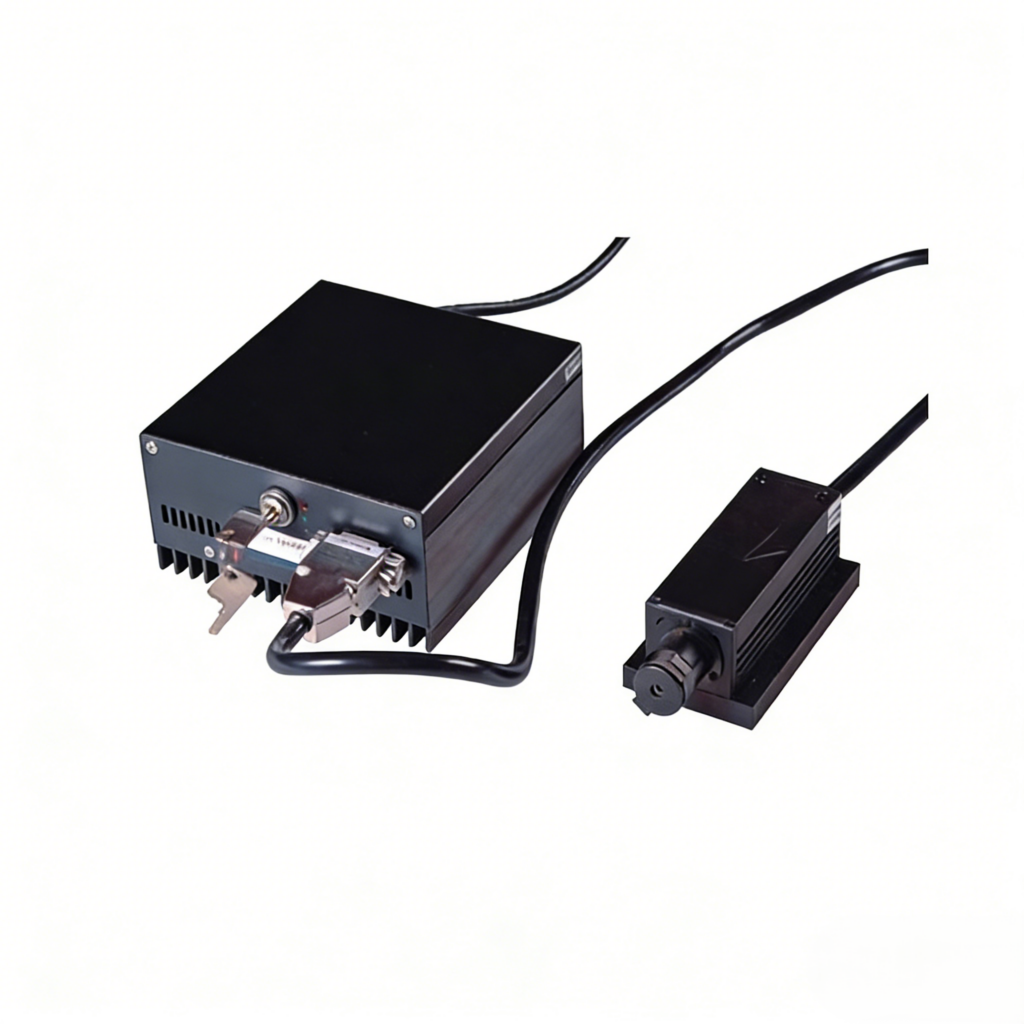
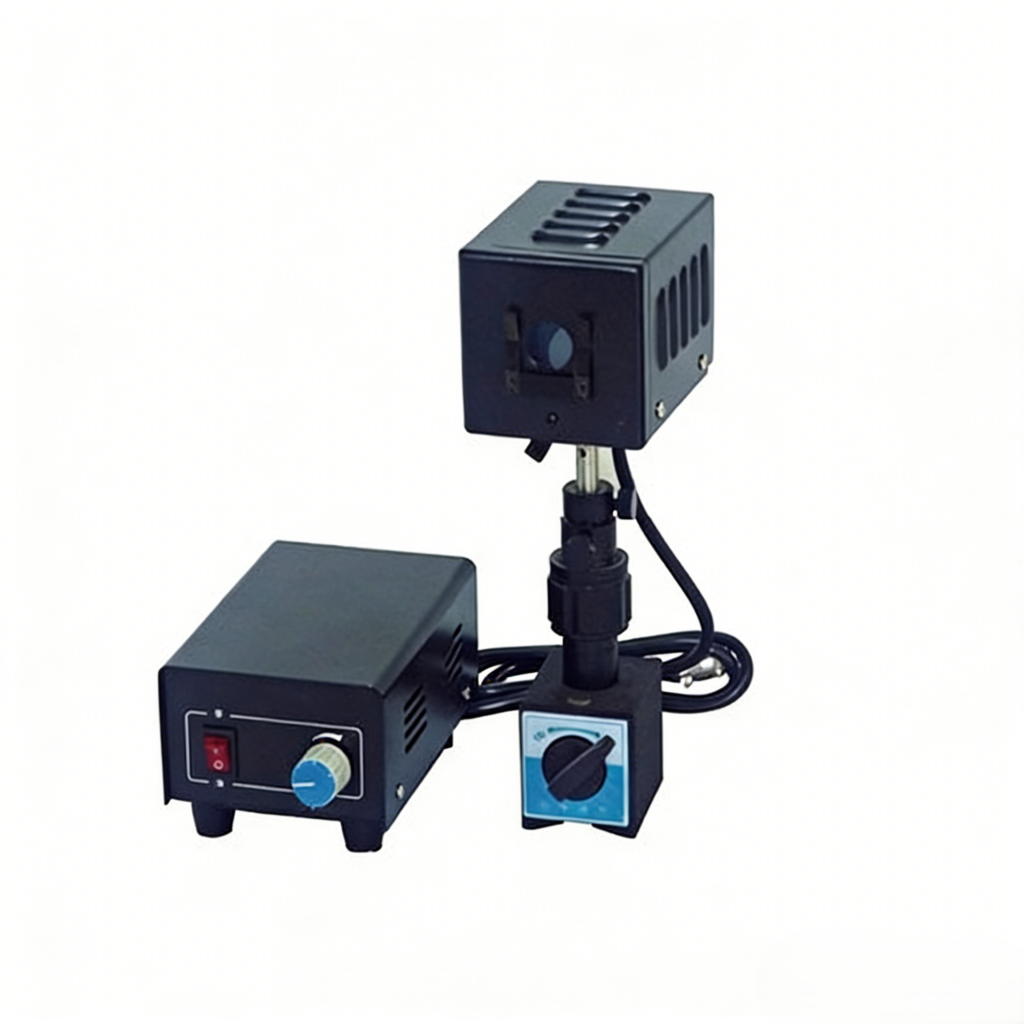
| 1 | Light Source | Tungsten-halogen lamp, 12V 75W, radiation spectrum 350~2500nm, powered by a switching power supply |
| 2 | Axial Fan | DC 12V, designed for power supply heat dissipation |
| 3 | Condenser | Double-lens structure, with lens focal lengths f1=50mm and f2=70mm respectively |
| 4 | Monochromator | Grating monochromator, wavelength range 200~800nm; grating density 1200L/mm, blaze wavelength 500nm; wavelength accuracy ±3nm, wavelength repeatability ±1nm |
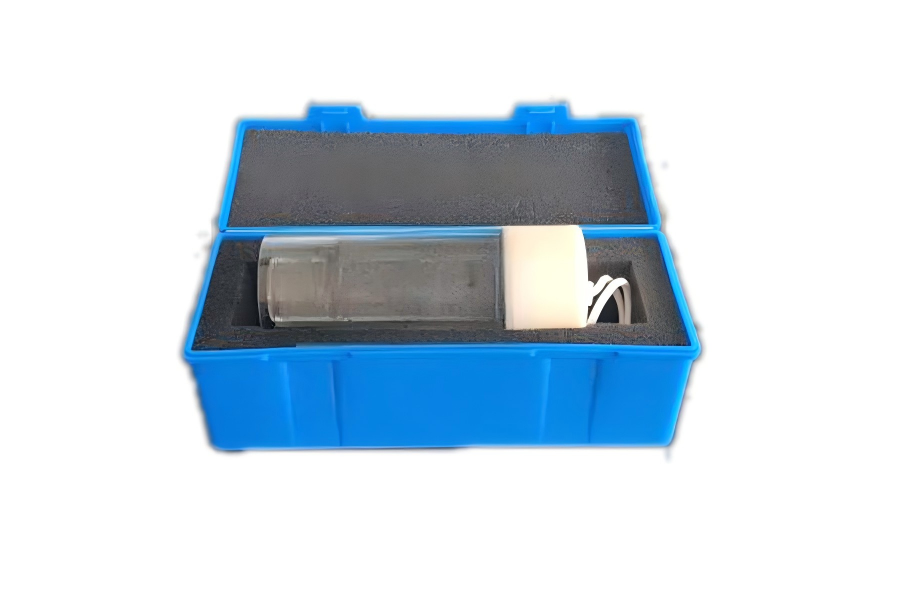
| 5 | Phototube | Spectral response range 190~700nm, peak wavelength 400±20nm |
| 6 | Measuring Amplifier | Composed of high-precision integrated circuits, current measurement range 10⁻⁸~10⁻¹³A, supporting six-speed magnification conversion |
Notes
- The above configurations and parameters are for reference only. The actual product shall be subject to the packing list.
- Atomfair reserves the right to make minor adjustments to product configurations without prior notice.
If you’re interested, have any questions, or have specific customization requirements, please feel free to contact us at inquiry@atomfair.com.
How does the zero-crossing method in the Atomfair-PE-628 reduce measurement errors compared to the inflection point method?
The Atomfair-PE-628 adopts the zero-crossing method, which effectively reduces human operation errors caused by the inflection point method. This simplifies the operation process and yields more reliable and accurate test results, ensuring the scientific validity of experimental data for Planck constant determination.
Can the Atomfair-PE-628 determine the work function and threshold frequency of the phototube cathode?
Yes, the experimental contents include plotting the frequency-voltage (ν-U) curve and using graphical or linear fitting methods to calculate the Planck constant, determine the threshold frequency (ν0) of the phototube cathode material, and calculate the work function (Ws), thereby verifying Einstein's photoelectric equation. The phototube has a spectral response range of 190–700 nm with a peak at 400±20 nm.
What power and cooling infrastructure is required for the Atomfair-PE-628's light source?
The light source is a tungsten-halogen lamp rated at 12V 75W with a radiation spectrum of 350–2500 nm, powered by a switching power supply. An axial fan (DC 12V) is included for heat dissipation of the power supply, so standard 12V DC power and adequate ventilation for the fan should be provided.
The Atomfair-PE-628 integrates a grating monochromator with a zero-crossing measurement method, enabling continuous-wavelength photoelectric effect experiments that improve data accuracy and reduce operator-dependent errors compared to discrete-wavelength setups.
Positive
- Continuous monochromatic light source: The grating monochromator provides continuous wavelength selection from 200-800nm, enabling comprehensive photoelectric effect data collection and improving measurement accuracy over discrete-wavelength alternatives.
- Zero-crossing measurement method: The zero-crossing detection technique minimizes human error associated with the inflection point method, simplifying operation and enhancing the reliability and scientific validity of experimental results.
Trade-offs
- Requires precise optical alignment: The monochromator's wavelength accuracy of ±3nm and repeatability of ±1nm demand careful calibration and alignment, which may require skilled personnel and periodic verification to maintain measurement integrity.
- Sensitive to ambient light and vibration: The phototube's spectral response range of 190-700nm and the amplifier's high-sensitivity current measurements (10⁻⁸ to 10⁻¹³A) make the setup vulnerable to stray light and mechanical vibration, necessitating a controlled dark environment and stable optical bench.
Every advanced material, component, equipment, and instrument in our catalog is backed by rigorous testing. We maintain strict internal quality management frameworks and align with CE conformity metrics to deliver transparent, reproducible performance data via our public open-science repository.
To request raw batch performance data, submit formal vendor registration paperwork, or execute a fast-turnaround R&D manufacturing loop, contact us at inquiry@atomfair.com.
Item is dispatched under the Atomfair Shipping & Delivery Framework (Free worldwide shipping on orders over $59 USD excl. heavy equipment). Return is governed by the Atomfair Return & Refund Policy (7-day technical return window).