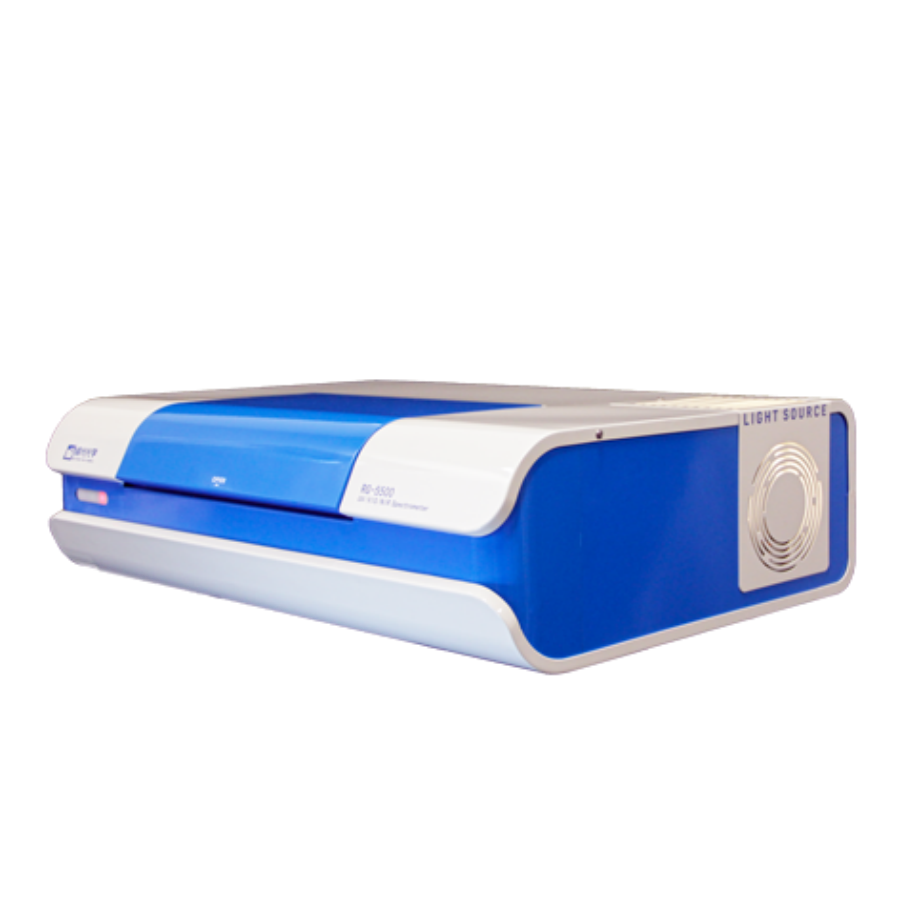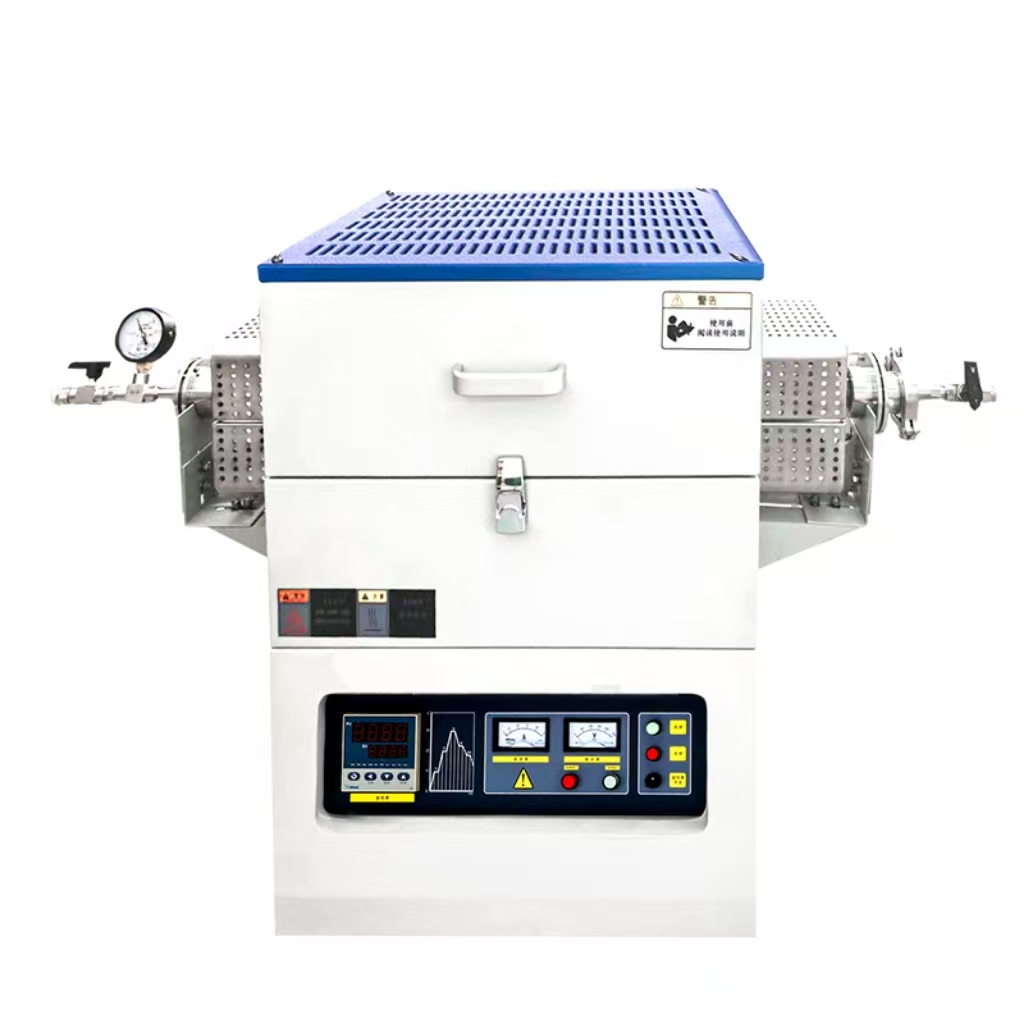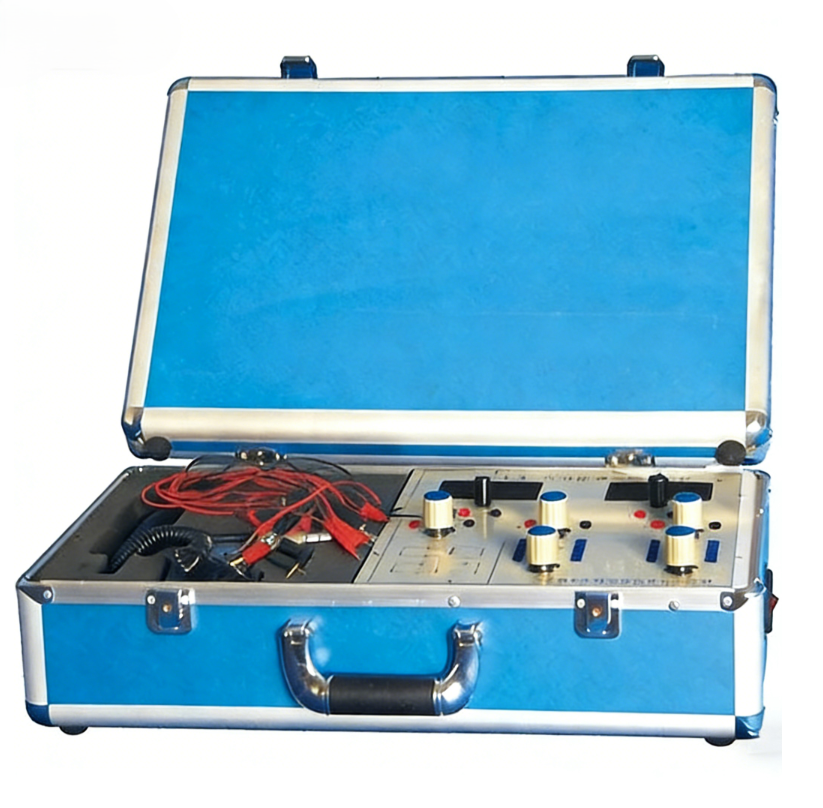
Atomfair-PDE-721 Photoelectric Detection Principle Experimental Instrument
Product Overview
The Atomfair-PDE-721 Photoelectric Detection Principle Experimental Instrument is a high-performance educational and experimental device designed to facilitate in-depth understanding of photoelectric detection technology. The main cabinet of the instrument is a standard configuration, while the packaging of optoelectronic devices is optional. Inside the main cabinet, the circuit PCB board and the optical path assembly are equally arranged in terms of space. This rational layout not only allows users to intuitively understand the optical and circuit structure of the entire experimental system, deepening their comprehension of the system, but also features an elegant appearance, making it convenient for carrying and storage. The circuit PCB board adopts a modular design, integrating core modules such as a light source driving unit, a pulse driving unit, a signal testing unit, and a light source indicating unit, ensuring stable performance and easy operation.
Key Features
- Intuitive Structural Design: The equal-space layout of the circuit PCB board and optical path assembly inside the main cabinet enables users to clearly observe the internal structure, which is conducive to learning and experimental operation.
- Modular Circuitry: The modular design of the circuit PCB board simplifies maintenance and debugging, and also provides convenience for expanding experimental functions in the future.
- High Measurement Precision: Equipped with high-precision voltmeters and ammeters, the instrument ensures accurate data collection during experiments, with a measurement accuracy of 0.2%.
- Versatile Illuminance Meter: The supporting illuminance meter has multiple measurable ranges and high resolution, meeting the requirements of various illuminance-related experiments.
- Portable and Durable: With a reasonable overall size and a weight of no more than 4Kg, the instrument is easy to carry and store, and the robust main cabinet ensures long-term reliable use.
Experimental Contents
- Learn the basic knowledge of illuminance and the fundamental principles of illuminance measurement, and master the measurement methods of illuminance.
- Familiarize yourself with the working principles and usage methods of photodiodes and solar cells.
- Grasp the illumination characteristics of photodiodes and solar cells, as well as the corresponding testing methods.
Core Configuration & Technical Parameters
1. Instrument Main Unit
- External Features: Equipped with a voltmeter and an ammeter for comprehensive electrical parameter measurement.
- Main Cabinet Dimensions: 514mm × 314mm × 140mm; Weight: ≤4Kg.
- Voltmeter Parameters: Measurement ranges include 0~200mV, 0~2V, 0~20V, and 0~200V, which can be freely switched; Measurement accuracy: 0.2%; Display mode: 3.5-digit display.
- Ammeter Parameters: Measurement ranges include 0~200μA, 0~2mA, 0~20mA, and 0~200mA, which can be freely switched; Measurement accuracy: 0.2%; Display mode: 3.5-digit display.
2. Illuminance Meter
- Resolution: 0.1lx.
- Measurement Ranges: 200Lux, 2000Lux, 20000Lux, 50000Lux (freely switchable).
- Display Function: Equipped with a 1999-digit digital LCD screen, with a low battery indicator.
- Reading Rules: Under the 2000Lux range, the reading needs to be multiplied by 10; under the 50000Lux range, the reading needs to be multiplied by 100.
- Measurement Accuracy: Calibrated under 2856K white light; For ≤10,000lx: ±5% rdg ±10gdts; For >10,000lx: ±10% rdg ±10gdts.
- Dimensions: 65mm × 188mm × 25mm.
- Sampling Rate: 1.5 times per second.
- Linearity: +2%.
Application Scenarios
This experimental instrument is widely applicable to universities, technical and vocational colleges, and research institutions. It serves as an essential experimental device for courses such as Optoelectronic Technology, Electronic Measurement, and Sensor Principles. It is suitable for students majoring in electronics, optoelectronics, automation, and related fields to carry out experimental teaching and scientific research projects. Through hands-on experiments with this instrument, students can effectively enhance their practical operation skills and in-depth understanding of photoelectric detection principles, laying a solid foundation for future professional work and scientific research.
Note: The above configurations and parameters are for reference only. Please refer to the product packing list for the actual specifications. Minor changes may be made without prior notice.
If you’re interested, have any questions, or have specific customization requirements, please feel free to contact us at inquiry@atomfair.com.
Every advanced material, component, equipment, and instrument in our catalog is backed by rigorous testing. We maintain strict internal quality management frameworks and align with CE conformity metrics to deliver transparent, reproducible performance data via our public open-science repository.
To request raw batch performance data, submit formal vendor registration paperwork, or execute a fast-turnaround R&D manufacturing loop, contact us at inquiry@atomfair.com.
Item is dispatched under the Atomfair Shipping & Delivery Framework (Free worldwide shipping on orders over $59 USD excl. heavy equipment). Return is governed by the Atomfair Return & Refund Policy (7-day technical return window).